


mudflat
-
Posts
523 -
Joined
-
Last visited
1 Follower
mudflat's Achievements
69
Reputation
-

 DEC Announces Actions to Protect Fish Populations in the Salmon River Low Water Levels Prompt Delayed Opening of Salmon River Lower Fly Fishing Section The New York State Department of Environmental Conservation (DEC) today announced actions underway to mitigate impacts of low water flows along the Salmon River during the upcoming salmon run. These include modification of water releases and delayed opening of the river’s lower fly fishing section ahead of the annual run that attracts thousands of anglers every year. The lower fly fishing section runs upstream of the Route 52 bridge in Altmar up to the property boundary of the Salmon River Fish Hatchery. The 16 miles of river downstream of the Route 52 bridge in Altmar and the upper fly fishing area upstream of the Salmon River Fish Hatchery will both remain open to anglers during this period. “Anglers may reel in Salmon River catches in all areas besides a limited quarter-mile segment whose opening is delayed due to low water levels and flows,” said DEC Region 7 Director Dereth Glance. “Delaying opening season until water levels are adequate for this stretch protects future world-class salmon and trout runs by ensuring successful egg collection at DEC’s Salmon River Fish Hatchery to sustain New York State’s thriving Lake Ontario salmonid fishery.” This summer, below-average rainfall led to low and declining water levels in the Salmon River Reservoir. The Executive Committee of the Salmon River Flow Management Team, comprised of natural resource agencies and Brookfield Renewable hydroelectric facility that regulates reservoir water levels, canceled scheduled whitewater releases and delayed the annual increase in baseflow to conserve reservoir water and maintain suitable flows throughout the salmon spawning run. Under a federal license, Salmon River seasonal baseflows are normally increased from 185 cubic feet/second (cfs) to 335 cfs on September 1, as long as water levels in the Salmon River Reservoir are above a critical threshold. Levels are currently below that threshold. Additionally, significant precipitation is not forecasted for the near term, prompting DEC to recommend a delay in the scheduled baseflow increase. DEC’s recommendation is based on abnormally high water temperatures coupled with low water flows in Salmon River tributaries, including Beaverdam Brook where migrating Chinook salmon access DEC’s Salmon River Fish Hatchery for egg collection supporting the State’s successful stocking program. Increasing baseflows prematurely would likely cause Chinook salmon, currently “staging” in Lake Ontario, to begin their spawning migration into the Salmon River. Fish could be stranded or killed if water temperatures remain high. To increase the probability that sufficient numbers of salmon reach DEC’s hatchery to sustain the salmon stocking program, the popular lower fly fishing section, located just below the hatchery and typically where large numbers of salmon and anglers congregate, will not open on September 15. This section of the river (PDF) will remain closed until DEC collects sufficient numbers of salmon eggs at the hatchery. Anglers and all fishing enthusiasts are encouraged to experience New York’s other exceptional Great Lakes tributary angling opportunities. Visit DEC's 'Tackle Box' feature in the HuntFishNY App for waterbody-specific information on fishing regulations, stocking, and fishing/boating access sites. Additional information, including the I FISHNY Great Lakes Fishing Brochure, is available at DEC’s website. https://dec.ny.gov/news/press-releases The New York State Department of Environmental Conservation respects your right to privacy and welcomes your feedback | Update preferences or unsubscribe | Learn more about DEC Delivers Connect with DEC:
 -
Any East end reports?
mudflat replied to Lunderdog's topic in New York Fishing Reports - Lake Ontario (South Shore)
 Yesterday 80 to 100’ was good for us in the bay and in front of the plant. Fished close to the bottom up to 65’ down. White E chip with green crinkle fly, chrome frog spinny with mirage fly, green/chrome meat rig, 42nd mag spoon all went. Today’s blow might change things
 -
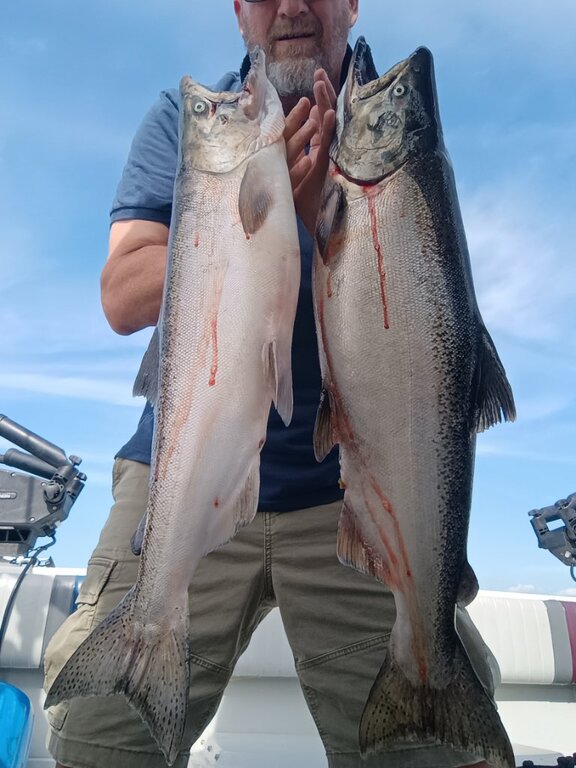 Went out of Catfish tonight for about 1 1/2 hours and found active fish in 50-100 fow. Fished the marks and went 3 for 6, all in 60+ degree water. Lake too angry for my wife, she couldn't even stand up in the boat when we were going into the waves and tripled up, she did much better when we ran with them. Netting by myself was an adventure, lost one when the hooks caught the net. Three riggers down 45, 55 and 65, one with a green dot flasher/green crinkle fly and MC rockets on the other two.
- 1 reply
-
- 2
-

-

-
Sandy Creek - Hamlin Launch is a Sh#hole
mudflat replied to BP Swing's topic in Open Lake Discussion
 DEC Region 8 Reopens Sandy Creek Boat Launch in Monroe County North Section Open After Temporary Repair to Address High Water Impacts; South Section Remains Closed The New York State Department of Environmental Conservation (DEC) today announced a temporary repair to the Sandy Creek Boat Launch, Town of Hamlin, Lake Ontario, Monroe County, that will give outdoor enthusiasts access to the water. The popular boat access site was closed in mid-July due to a high lake water level. An inspection revealed significant submersion of the docks, necessitating the boat launch closure for public safety. This morning the north section of the boat launch reopened to the public. The south section remains closed and DEC is working on a permanent repair. DEC will let the public know when the work is completed. For alternative boat launches, visit Boat Launch Sites for Monroe County - NYSDEC. For more information about the closure, contact DEC Region 8 Fisheries Office at (585) 226-2466. https://dec.ny.gov/news/press-releases The New York State Department of Environmental Conservation respects your right to privacy and welcomes your feedback | Update preferences or unsubscribe | Learn more about DEC Delivers Connect with DEC:
 -
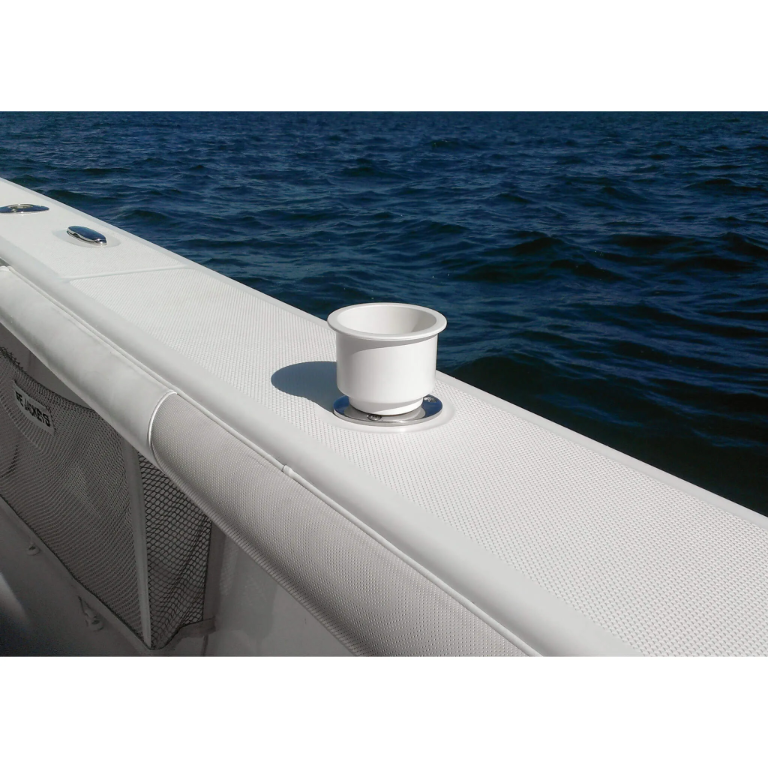 IMG_2482.HEICIMG_2483.HEIC It looks like the gimbal mounts on my Hurricane Fun Deck are mounted where you have cup holders on yours. You might be able to remove the cup holders and replaces them with gimbal mounts. If the gimbal mounts don't cover the hole because it may be too large you could use a piece of starboard to cover the hole and then mount the gimbal holder to the starboard? If you do this make sure you get a quality gimbal that is designed to take the stresses a downrigger will put on them. I've seen Hurricanes with riggers mounted on the swim platforms and it is a long reach to set lines.
 -
Catfish Creek Fishing Camp is another option for the Mexico area Home Page | Catfish Creek Fishing Camp
-
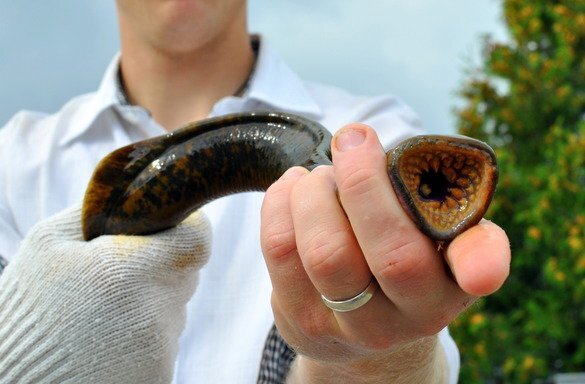 Decreased Sea Lamprey Abundances in Great Lakes The Great Lakes Fishery Commission (GLFC) reports an encouraging trend as adult sea lamprey continue to show decreased abundances in most of the Great Lakes, including Lake Erie and Lake Ontario from 2024 to 2025. Population estimates were established through mark-recapture studies conducted on index tributaries each year during the spring and summer. Reports show the 3-year average of adult sea lamprey abundance decreased in 2025 and is below the target for Lake Erie, while in Lake Ontario abundance decreased but remains above the target. Sea lamprey act as predators, with each individual capable of killing up to 40 pounds of fish over their life. Successful control of sea lamprey is crucial for maintaining popular sport fisheries in the New York waters of Lake Erie and Lake Ontario. For more details, review the 2025 Status of Sea Lamprey Control on the GLFC site. Sea lamprey are parasitic invasive species that injure fish such a lake trout, lake whitefish, and ciscoes, by using their tooth-filled suction cup mouth to latch onto and feed off the blood and bodily fluids of their prey. (Photo courtesy of A. Miehls, GLFC)
 -
 DEC Announces Actions to Protect Fish Populations in the Salmon River Low Water Levels Prompt Delayed Opening of Salmon River Lower Fly Fishing Section The New York State Department of Environmental Conservation (DEC) today announced actions underway to mitigate impacts of unusual low water flows along the Salmon River during the upcoming salmon run. These include modification of water releases and delayed opening of the river’s lower fly fishing section ahead of the annual run which attracts thousands of anglers every year. “New York State’s Salmon River waterway boasts world class fall salmon and trout runs,” said Region 7 Director Dereth Glance. “The modified water releases and delayed opening of the lower fly fishing section are necessary to ensure a successful egg collection at the hatchery to continue New York State’s legacy of a thriving Lake Ontario salmonid fishery.” This summer, below-average rainfall led to low and declining water levels in the Salmon River Reservoir. The Executive Committee of the Salmon River Flow Management Team, comprised of natural resource agencies and Brookfield Renewable hydroelectric facility that regulates reservoir water levels, canceled scheduled whitewater releases and delayed the annual increase in baseflow to conserve reservoir water and maintain suitable flows throughout the salmon spawning run. Under a federal license, Salmon River seasonal baseflows are normally increased from 185 cubic feet/second (cfs) to 335 cfs on Sept. 1, as long as water levels in the Salmon River Reservoir are above a critical threshold. Levels are currently well below that threshold, requiring cancelation of a scheduled whitewater release over Labor Day weekend. Additionally, significant precipitation is not forecasted for the near term, prompting DEC to recommend a delay in the scheduled baseflow increase. DEC’s recommendation is based on abnormally high water temperatures coupled with low water flows in Salmon River tributaries, including Beaverdam Brook where migrating Chinook salmon access DEC’s Salmon River Fish Hatchery for egg collection that support the State’s successful stocking program. Increasing baseflows prematurely would likely cause Chinook salmon currently “staging” in Lake Ontario to begin their spawning migration into the Salmon River, which could strand and/or kill fish if water temperatures remain high. These fish will have difficulty reaching the DEC’s hatchery until rainfall sufficiently raises Beaverdam Brook water levels. To increase the probability that sufficient numbers of salmon reach the hatchery to sustain the salmon stocking program, the popular lower fly fishing section, located just below the hatchery and typically where large numbers of salmon and anglers congregate, will not open on Sept. 15. This section (see attached map) will remain closed until DEC collects sufficient numbers of salmon eggs at the hatchery, or at least through October 31. Anglers and all fishing enthusiasts are encouraged to experience New York’s other exceptional Great Lakes tributary angling opportunities. Alternative locations include the Upper Fly Area located above the hatchery grounds on Route 22, and other alternative recreation areas listed on DEC’s Find Places to Go webpage. Visit DEC's 'Tackle Box' feature in the HuntFishNY App for waterbody-specific information on fishing regulations, stocking, and fishing/boating access sites. Additional information, including the I Fish NY Great Lakes Fishing Brochure, is available at DEC’s website. https://dec.ny.gov/news/press-releases The New York State Department of Environmental Conservation respects your right to privacy and welcomes your feedback | Update preferences or unsubscribe | Learn more about DEC Delivers Connect with DEC:
 -
 DEC Announces Launch of $100 Million Fish Hatchery Modernization Investments from the Environmental Bond Act and Other Capital Funds Ensure Continued Affordable Recreational Fishing Opportunities and Conservation of Valued Freshwater Species New York State Department of Environmental Conservation (DEC) Commissioner Amanda Lefton today announced the launch of a nation-leading $100 million freshwater fish hatchery modernization plan. The funding supports the first of three phases of modernization projects for 12 hatcheries operated by DEC across the State. The hatcheries are integral to effective fisheries management and conservation, and contribute up to $5 billion in economic benefits provided by New York’s recreational freshwater fishing industry. “DEC’s fish hatchery system serves as the backbone for the management and restoration of our freshwater fisheries,” Commissioner Lefton said. “With the $100 million announced today, DEC and Governor Kathy Hochul are recognizing the incredible contributions these facilities provide to sustain New York’s world-class destination fisheries and boost local economies statewide. Today’s launch of the hatchery modernization plan will further strengthen New York State’s commitment to the angling community and the continued stewardship of our fisheries resources far into the future.” First established in 1864, New York’s fish hatchery system is the oldest in North America. DEC operates 12 hatcheries that annually produce up to 850,000 pounds of fish that are stocked into more than 1,200 waterbodies for recreational and restoration purposes. The average age of DEC’s hatcheries is 93 years and the integrity of many buildings, water supply assets, and fish-rearing structures are at risk. In recent years some of the most crucial needs have been addressed with a steady flow of DEC capital funding, but more extensive work is needed to sustain and improve operations to truly modernize the hatchery system for the future. The historic $4.2 billion Clean Water, Clean Air and Green Jobs Environmental Bond Act of 2022 dedicated up to $75 million for hatchery improvements as part of the $650 million specified for improving access to and protecting nature. This funding, combined with funding from New York Works and other capital funds, provides a solid foundation for creating a modern hatchery system that is technologically advanced, more efficient, adaptable, and environmentally responsible. DEC will use Bond Act monies and capital funds to leverage other State and federal funding to modernize the hatchery system in multiple phases over the next 10 years. Improvements center on employing contemporary culture technologies to maximize fish production and ensuring greater sustainability by using the best technology available to reduce energy use and minimize the facilities’ carbon footprint. DEC will implement its modernization plan in three phases, with Phase 1 beginning immediately. Highlights of Phase 1 include: Covering the rearing ponds to exclude predators, reduce sunlight, and provide a surface for a photovoltaic system at the Caledonia Hatchery; Refurbishing ponds at the South Otselic Hatchery for increased walleye production; Overhauling the water supply system at the Salmon River Hatchery; Building a new hatch house at Chateaugay Hatchery; and Replacing the existing hatchery at Randolph with a brand-new facility. New York State Director of the Division of Budget, Blake G. Washington said, “New York State proudly boasts some of the most beautiful natural resources for fishing enthusiasts. As someone who grew up fishing along many of the State’s majestic rivers and streams, I’m proud to be a part of Governor Hochul’s vision to deliver critical funding towards maintaining our fish hatcheries. The economic and social benefits resulting from smart investments to sustain a modernized stocking program will only continue to add onto the State’s world-class fishing culture.” Office of General Services Commissioner Jeanette Moy said, “The $100 million investment announced today will support New York’s recreational fishing economy, bolster native fish populations, and help restore the ecosystems of our state’s waterways. OGS is looking forward to supporting DEC’s efforts by overseeing the design of the hatchery modernization projects, establishing the construction contracts, and providing construction oversight.” Conservation Fund Advisory Board Chairman Jason Kemper said, “Improvements to the hatchery system have long been a concern of the Conservation Fund Advisory Board and we are pleased to see these much-needed modernizations come to fruition. This historic investment in the hatchery system by Governor Hochul and the Department of Environmental Conservation, through the Environmental Bond Act and New York Works, will preserve and enhance the incredible angling opportunities New York State has to offer.” New York State Conservation Council President Dr. Keith Tidball said, “This plan not only ensures the continued health and sustainability of our state’s freshwater fisheries but also preserves critical recreational and economic opportunities for future generations. New York’s fish hatchery system is a vital part of our state’s natural heritage and supports recreational fishing that benefits local communities, small businesses, and tourism across the state. The hatcheries are not just facilities—they are centers of fisheries conservation, education, and economic vitality. This modernization plan will allow New York’s hatcheries to adopt contemporary technologies, enhance fish production, and minimize environmental impact, all while ensuring the integrity and longevity of these crucial facilities. I commend the efforts of the New York State DEC to secure the future of our fisheries and protect our natural resources.” Visit the DEC website for more information about the fish hatchery system. Stocking information, along with fishing regulations, maps, and access information is also available in “The Tackle Box” feature of the DEC “HuntFishNY” smartphone app. Other features include driving directions to state boat launch sites and an offline feature that allows a user to access information when cell coverage isn't available. Historical sign for the first state fish hatchery https://dec.ny.gov/news/press-releases
- 1 reply
-
- 1
-
-
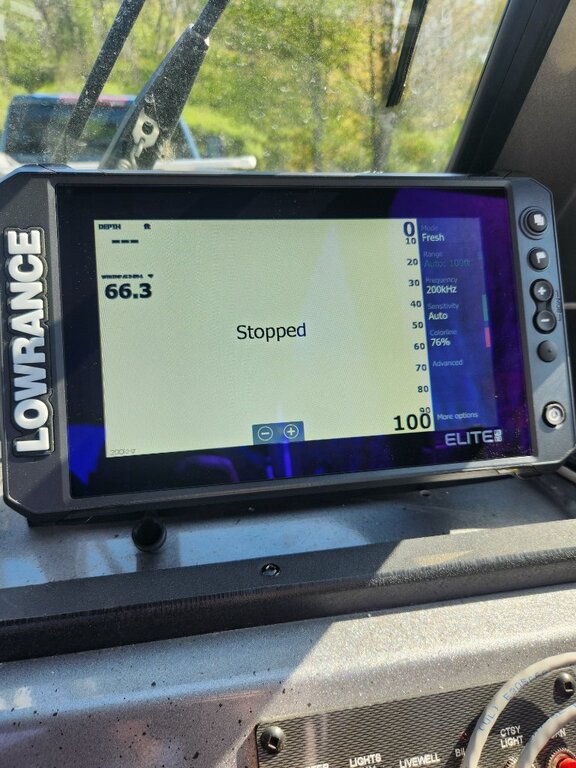 Select “more options” tab on the bottom of the onscreen menu bar and there will be a option to stop or start sonar in the next menu. It is not good for the transducer for it to run for very long when it is not in the water
 -
Sold / Closed Fish Hawk X4 Probe for Sale - $200
mudflat replied to Peave's topic in Classifieds - Buy, Sell, Trade or Rent
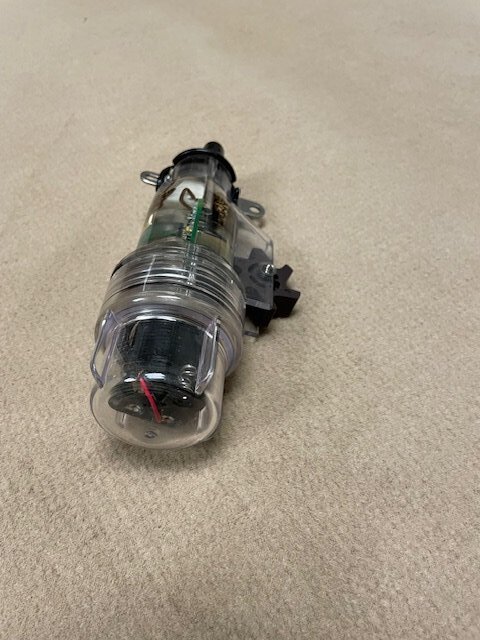 I'll take it, sending you a pm Thanks Roy
 -
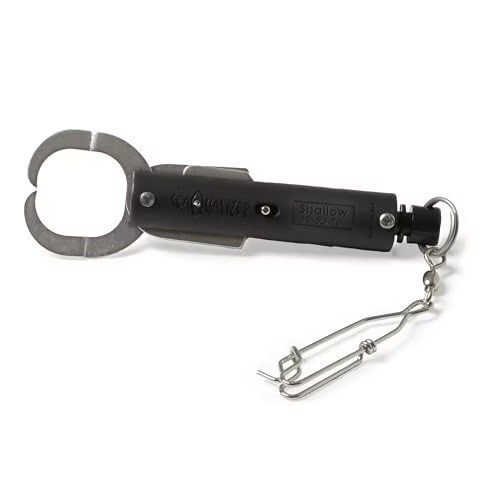 I use a Seaqualizer for shakers and lakers during the summer when I am fishing deep. I keep it attached to my 4th rigger so it is ready to go, snap it on and send them back down slowly. I don't know if it helps but at least I don't see them floating on top. If the fish is bleeding too much and is legal it goes in the box. Shop - SeaQualizer
 -
Good thing it was just a written test and not an actual piloting on the water test 😁
-
Status of Sea Lamprey in Lake Erie and Lake Ontario Sea Lamprey are a parasitic invasive species in the Great Lakes that attack and kill trout, salmon, and other desirable sportfish. A single sea lamprey can consume over 40 pounds of fish in its lifetime and their presence threatens sustainable fisheries. The Great Lakes Fishery Commission (GLFC) is charged with conducting sea lamprey control in all five Great Lakes. One way that the GLFC monitors the succuss of the control program is by annually estimating the number of adult sea lamprey in each lake. The adult sea lamprey index in Lake Erie was higher than the management target for many years but has been below, or near, the target for the last five years. In 2024, the adult index number was below target but the 3-year average remained slightly above target (Figure 1). In Lake Ontario, the adult sea lamprey index was below the management target from 2015-2021, but the sea lamprey abundance increased dramatically in 2022-2023 due in part to missed sea lamprey control treatments during the COVID-19 pandemic. The adult index value declined in 2024 but remained above the target (Figure 1). Sea lamprey control treatments resumed in 2022 and the adult index should continue to decline in the coming years. DEC Fisheries Works for You!
-
It will depend on how you hold the rod, the larger the reel size the higher above the rod the line counter is. For me the line counter on a size 40 is high enough above the rod that my arm just fits under it when I hold the rod. With a size 30 the line counter is hitting into my arm.