


Sk8man
-
Posts
13,929 -
Joined
-
Last visited
Content Type
Profiles
Forums
Events
Gallery
Store
Everything posted by Sk8man
-
Idsyang you have a PM (personal message)
-
Thanks....that has been happening since the1960's that I know of.....
-
Is the launch at Woodville iced over?
Sk8man replied to dremarquis's topic in Finger Lakes Discussion
Someone reported a person going through the ice out there so I guess it is a safe assumption that the launch is frozen in now....the Onanda launch was open in late November though -
Welcome to LOU! By any chance did that laker come on a Rooster Tail spinner? Nice going.....
-
Is it possible that it was "spillage" somewhere on the motor after running the stuff through and then "dripped down" with time? I'd clear the stuff away and then placefresh snow there and see if it continues...and see if you can better identify where it is coming from...the prop housing?
-
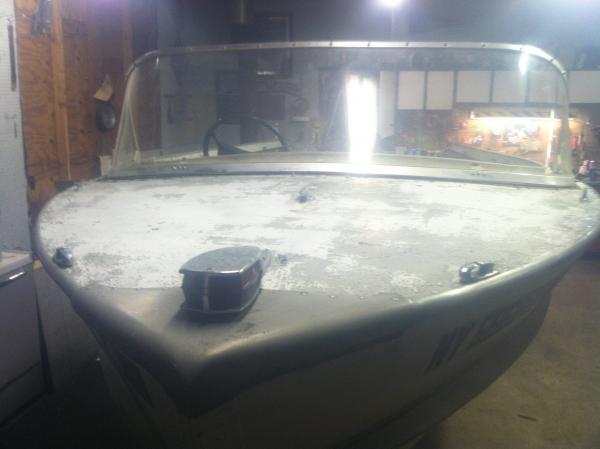 Very slick...nice job of it!
 -
I'd give it a bit more time because of the snow coverage. There are three guys out on Honeoye out from Trident Marine right now but I wouldn't be surprised if the fire department is called out to extract them.....it can be tree inches in one place and 1 inch in another a short distance away and you'd never know it with the snow coverage...until it is too late. Think I'll stick to painting jigs for a couple days....
-
 I've seen similar sores resembling "abrasions" and I was wondering if they were where lampreys tried to attach or a fungus started and the pike scraped them off on rock edges or something.
 -
UnclePaul- You could hinge it in the middle so that the middle section swings up or out when you need access to it. You could either use overlapping plates or a "pin" system to keep the integrity (strength) of the board. As long as you don't locate a downrigger in the middle it should work.
-
Been wondering what you've been up to Nick ...haven't heard anything in awhile ... I think you'll be a happy camper though to have a "like new" engine after the rebuild. I'm hoping to have my 9.9 gone over during the winter "doldrums" too....just wish the ice fishing would start up soon...good luck with things Nick. Les
-
gettin cold ,one more tale at the fire place.................
Sk8man replied to ray koziatek's topic in Big / Small Game
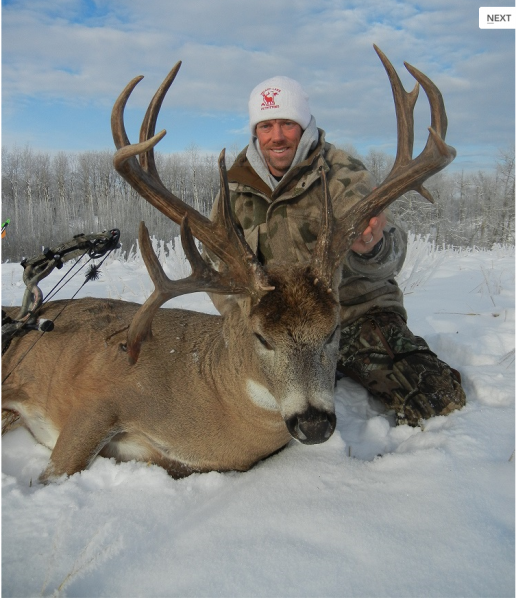 Still laughing Ray....great account..... :yes:
 -
I agree Joe....it was somebody just wondering if they hit in the cold water.....I've always had good luck with them when the water temps are down.
-
Today there was some ice starting at the north end of Canandaigua between Kershaw and Seager's and around Squaw Island (out to the south about 60ft or so) but it looks as though it will be awhile for any significant ice at the north end. The bubbler near the Canandaigua Lady reminded me of another caution: the currents from bubblers can circulate outward from their origin for large distances under what seems like good ice (undercuts it)....until you step on it.....a lesson that cost my son and I our cell phones last year on Honeoye
-
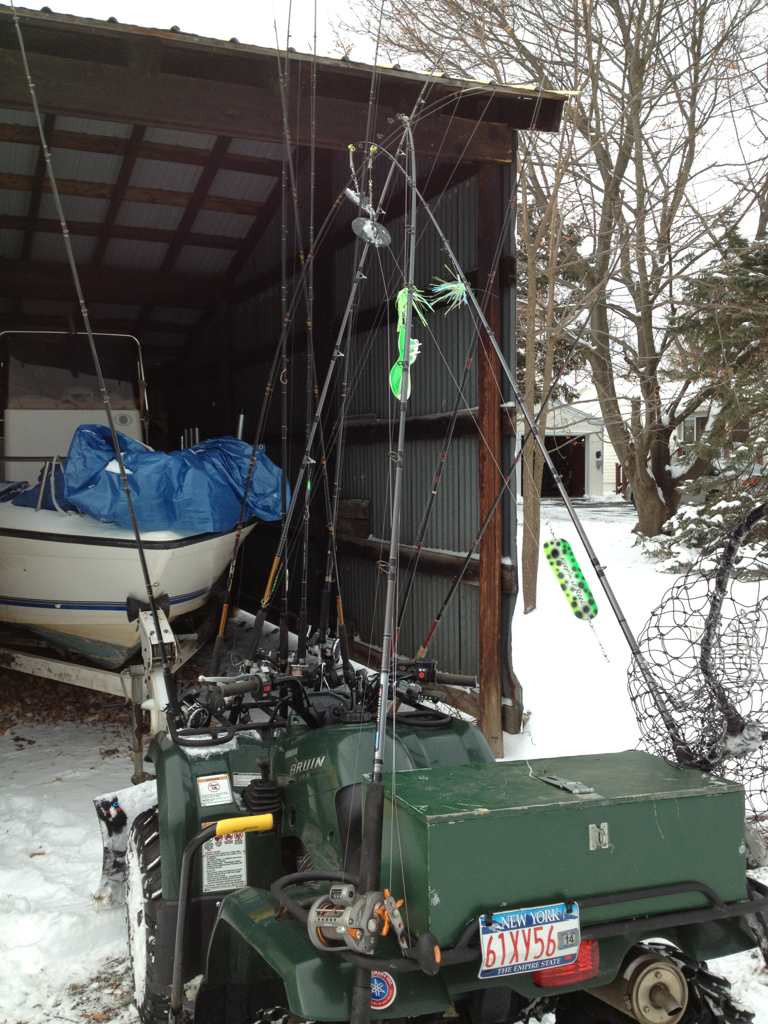
I've used all sorts of Seth Greens but for many years I have used the old tried and true 6 and 6 1/2 ft. solid glass boat rods some with all rollers and some with just roller tips. I run Penn #309's with ss 7 strand wire on them from 30-60 lb test (the heavier wire for wide spaced rollers so the wire doesn't go over the edge of the roller tips that have with 30 lb mono and also 50 lb braid rig lines. There are many different setups possible for all of it. When I first started out I used a big wheel like thing and rolled up all my leaders right onto it and although it had a primitive drag I mainly used it by hand. For the past 30 years or so I have used small pieces of styrofoam to roll up each leader separately and I keep spoons right on them and change as desired. I run a 2 pound. sinker suspended about 20 inches - about 2 ft or so from a large three-way swivel. I use both fluoro and mono leaders depending on circumstances usually about 12-18 ft. long (the shorter in cold weather). I use bead chains spaced about 12-24 ft apart on the rig lines and spring clips are at the end of each leader to fasten it to the bead chain. I keep extra sets of leaders all set to go int he boat so if anything happens I can instantly re rig without tying anything. I think there was a thread awhile here back that discussed Seth Green rigs in some detail. Here is one of the Seth Green (Thermocline) rods to get an idea of it: Here is a close up of the roller tip and guides: Here are the (from left to right) Spring clips with beads to assist in cold weather in handlingin them (on end of leaders with ball bearing swivel at other end with lure), bead chains, three-way swivel: Here is the Penn #309 with wire and mono with bead chains and note the Power handle on the reel VERY handy Here are the fluoro leaders on styrofoam (without lures): I can't draw for s..t but here is a basic set up if you can read it from the pic
-
WTG Joe and nice salmon....the pike pic should be put on the recent post about: "Do the pike hit in the cold water" etc. post Les
-
Jack....it is a total of 15 but in the old days you could legally run 15 lures for each rod (e.g. Seth Greens if single hooks used) and I used to have 62 lures in the water at the same time sometimes (e.g derbies)(my son fished with me) Four Seth greens each with 15 singles and two top lines or dipseys from the outriggers. It was when things were tough on Seneca took an average of 6-8 hrs per fish back then because of lamprey problem and insufficient stocking.
-
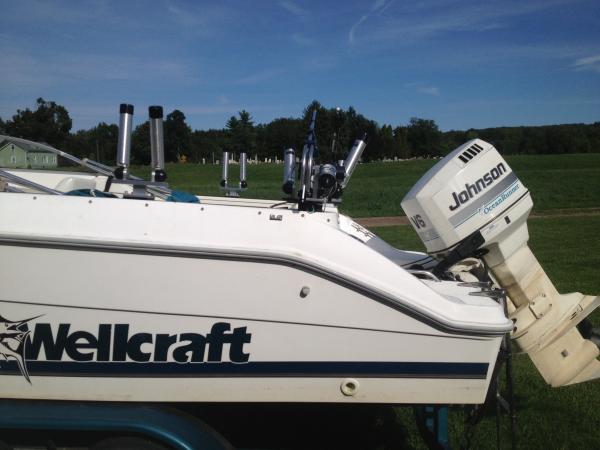 Looks like a clean well taken care of rig and I'm sure will sell when folks see some of the prices of things at the boat shows this winter....a lot for the money....at reasonable price.
 -
Before the snow I thought we had a good chance with the low temps but I think you are right Zack....
-
You may have tapped into my unconscious Jack ......more hooks and more lures but since the law changed only 5 per rod anyway now but....3 rods is a real bonus I can live with....
-
Honeoye has had ice for the past few days but not sure how thick and again the snow will probably slow down the formation of it (insulate things) on any body of water. First and last ice is always the most dangerous....(speaking from experience). A lot of people don't realize that even if you are able to get yourself out....hypothermia can kill you anyway and with frigid temperatures and wind it only takes a very short time despite what some videos suggest....especially when you factor in wind and being way out on the ice. Your legs and arms become numb very quickly and you are unable to move on your own. I'm anxious to get into the ice fishing season too but DON'T TAKE ANY CHANCES FOLKS (wait for safe ice)
-
Yeah I guess we do really get into it don't we? What I found a long time ago is that the original Sutton trebles will bend when a good sized fish clamps down on them (or maybe when trying to"horse" them a bit ) and I lost some fish because of it (hooks were bent when I reeled in). I changed over and it immediately solved the problem...very few fish lost over the years and nearly always a very solid hook up without physically setting the hook etc. I have had solid trebles taken off other lures too and I use them to tie my home made trolling flies. I prefer hardened singles on all spoons. The hardened trebles don't have the bending problem but I am convinced that when they are in the boney structure of the fishes mouth the individual hooks may work against each other leading to greater loss of fish. I know others may look at it differently but that is my take on it. The trebles on the trolling flies are often in the fishes throat and are usually being trolled slower so I think the problem is reduced in that instance. Another huge reason for using singles is that I release most of the trout I catch - especially big ones and the singles are much easier to do this with and they are much friendlier in the net with kings. Yes the Siwash hooks will close and stay closed with pliers just make sure you close the curl as fully as possible so it isn't open much if at all to avoid it catcing on other lines etc.
-
Jack - The trebles that came stock with the Sutton's sucked...they are easily bendable I changed over (replaced) hundreds to single1/0, 2/0 and3/0 single stainless steel triple X or 5x (hardened) Mustad Siwash Salmon hooks early on and still continue to do so with nearly all my spoons. Saved the solid rings on them and cut the trebles with wire cutters and tossed them in the trash inside boxes. Regarding the flashers or Spin Docs anything green, monkey puke, or Wonderbread will do the trick in the Fingers.....Lake O there are many additional ones that work.
-
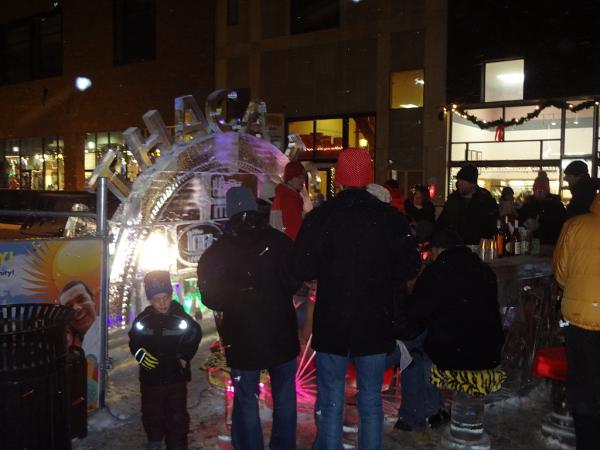 Ice carving competition in Ithaca today....incredible stuff....even had an ice BAR and folks drinking at it last night
 -
Too cold for pike trolling?
Sk8man replied to pro-fish-n-c's topic in Musky, Tiger Musky & Pike (ESOX)
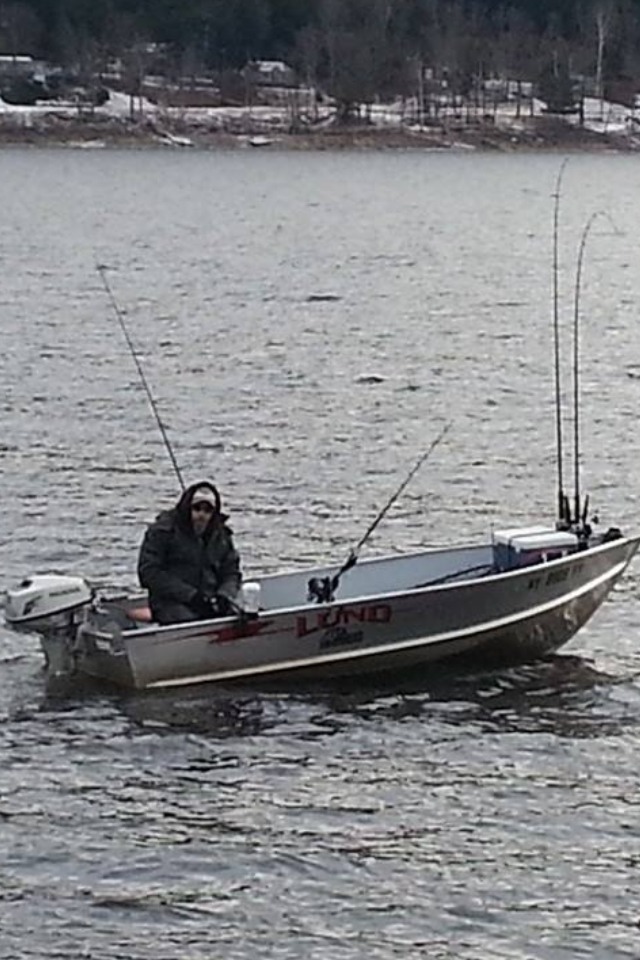 Oh Yeah! There are still a few real hogs in there.....I think a lot of us have"sacrificed" lures to old Mr. Pike
 -
Wanted vexilar or humminbird ice flasher
Sk8man replied to deercrazy56's topic in Classifieds - Buy, Sell, Trade or Rent
I've had a Vexilar Fl-20 Ultrapak for a few years now and although "pricey" they stand up better than any other unit on the market (5 years still on same battery - heavy use, same transducer never even a minor problem of any sort with the unit. The zoom is incredible (6 ft and 12 ft from bottom so most suspended fish marked very well...I watch them coming for the jig and then mess with them). Mine has a dual transducer (9 and 19 degree) but they also now have a tri ducer but basically if you get the basic 12 degree transducer it is all you need. It picks up my smallest jigs clearly and separates targets at 1/2 inch apart. My son has a Hummingbird that he bought at the same time (for less money admittedly) but he has had it into the factory twice for problems and is now on his third battery and second transducer so in total he has paid about the same amount for it with fewer features. The zoom function is by far the most valuable function on the flasher and it outclasses all my other previous flashers going back to 1970 or so put together. I have bit..ed for a while about it not having a digital readout but this year they came out with an add on for all Vexilar flashers for about $50 that seems to work very well (in testing from a dock anyway) so now I'm a perfectly happy camper My suggestion is if money ois tight...save up and get one with a zoom and you'll bemuch happier in the long run.