

regulator
-
Posts
139 -
Joined
-
Last visited
1 Follower

regulator's Achievements
19
Reputation
-
From Google, but I remember hearing of some significant agricultural spills/runoff events that are likely contributing factors for the excessive algae blooms: Reports from 2017 and 2021 mention significant agricultural runoff incidents affecting Cayuga Lake. A manure spill in 2017 reached the lake via Salmon Creek after melting snow carried runoff from fields where manure had been spread due to a structural issue at a nearby farm's manure storage lagoon. In 2021, an estimated 100,000 gallons of liquid manure overflowed from a storage pit at Ashland Farm, reaching a tributary of Great Gully Brook which flows into Cayuga Lake. Impact on Cayuga Lake and the Surrounding Region These incidents, along with ongoing agricultural runoff, contribute to nutrient loading in Cayuga Lake. Excess nutrients, particularly phosphorus and nitrogen, can lead to harmful algal blooms (HABs) that can pose health risks to humans and animals. Harmful Algal Blooms: The presence of HABs has been observed in Cayuga Lake since 2017, and has been documented to cause beach closures and impact water quality.
-
Sandy afternoon 7/20
regulator replied to whaler1's topic in New York Fishing Reports - Lake Ontario (South Shore)
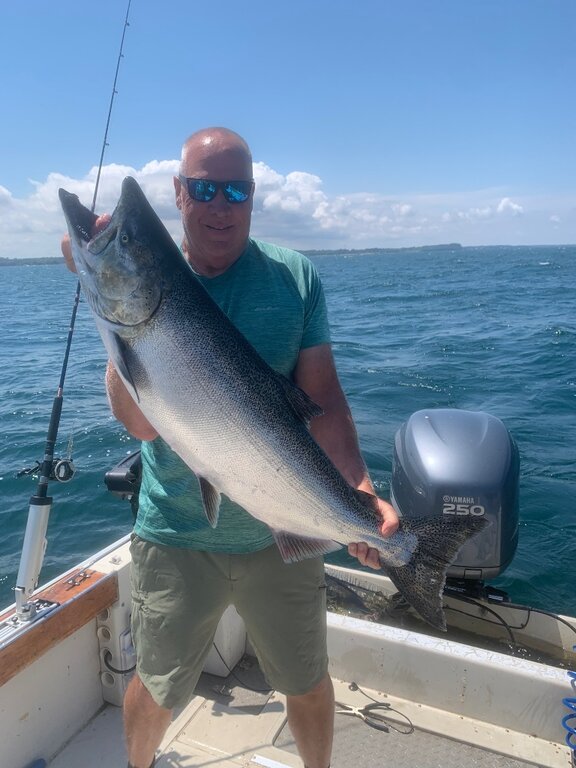 Great fish! Congrats!
 -
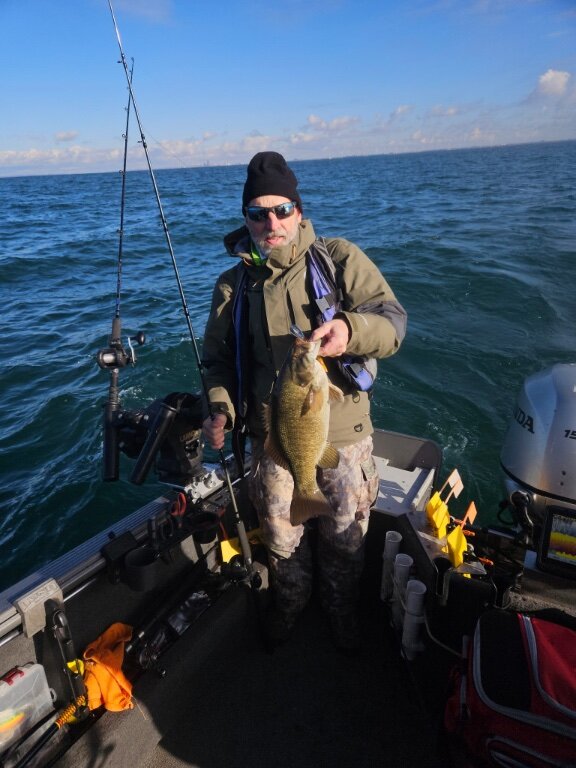 Finally made it out to Barcelona for our annual trip. Arrived Thursday and fished from 11:00 AM until 3 PM. Two boats, 6 anglers and 18 fish between us before we had to go set up camp. Friday boat 1 with 4 fishermen, boxed out. 2nd boat, 3 fisherman boxed out. 55' to 65' was best for us that day. Saturday only ran 1 boat, 4 fishermen, boxed out. 4, 5, 6, 7 color cores, down riggers parked at 40-50. Fish were more scattered and we took fish from 55 - 100 FOW. Mix of harnesses and worm burners all took fish. copper/watermelon, firetiger, greens, purples, pinks, polka dots, didn't matter. Stupid easy fishing and lots of fish around. Great trip and had pretty flat conditions until Saturday morning.
 -
Sharpening electric fillet knife blades
regulator replied to chugbug's topic in Open Lake Discussion
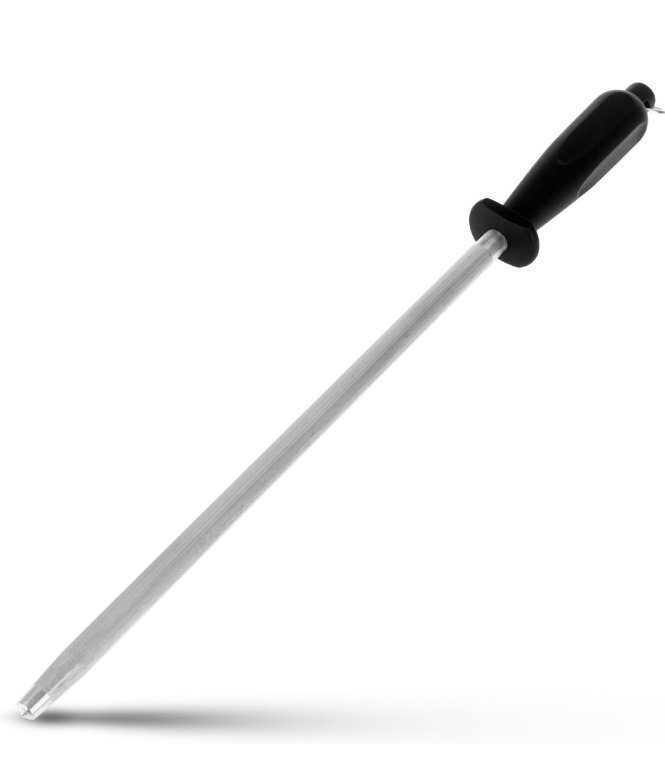 5/32" Chainsaw file will do the trick, then use the steel shown above to take the burr off the back side.
 -
When I troll walleyes on mono flat lines or snapping one onto the leader ahead of lead core, I figure 5' per oz. for speeds up to 2 MPH. At 2.5 I would figure 4' per oz.
-
Was the original dipsy divers designed with shallower applications in mind? I always thought it odd that the dive chart that comes with a dipsy is based on 20 or 30 Lb. mono. I think my buddy and I started fishing them with mono when we started trolling for walleyes, and quickly ditched that when we discovered wire. I had braid dipsy's, but I always liked the wire better. Wire dipsy is by far the most violent hit when fishing Kings!
-
You have a 12 volt battery, is the charger specifically for a 12 volt system?
-
Lots of good info from this spring already, search the threads and check it out. Yesterdays news for sure, but some good starting intel. Good luck and have a fun safe trip!
-
Could be the thermostat. I just replaced the one in my 60 HP Merc and it is flowing good again. It was down to a trickle, then would flow weak, then stop altogether.
-
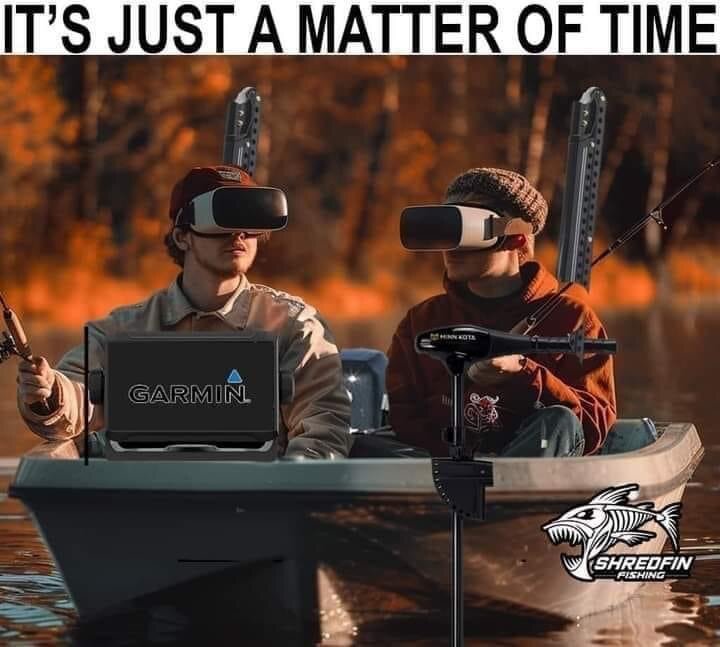 Reg's still says 3 An angler may operate no more than 3 lines with or without a rod. Each line is limited to not more than 5 lures or baits or a combination of both. Each line shall not exceed 15 hook points in any combination of single, double or treble hooks.
 -
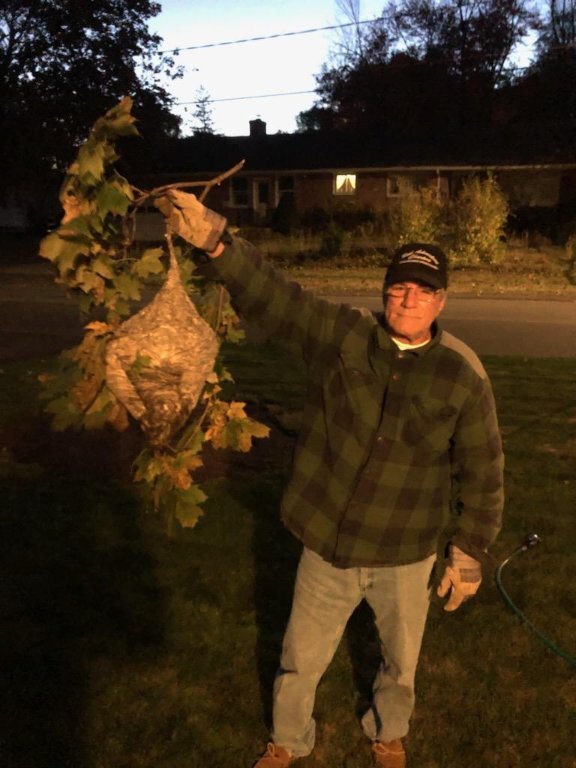 Amen JJBat..LMAO! We all been there, video sums it up well!
 -
If you zoom out on the screen, the lines say "Honey Hole! LOL
-
Fabricate a bill of sale and take a pencil rub of the HIN is all I can think of. I did it years ago on a 12' deep V aluminum that spent it's life on a private lake. Original sales documents not available, and no previous registration. State got the registration fees and tax on the sales amount and seemed happy with that. Got a registration renewal in the mail every 3 years since.
-
Fishing out of Mexico
regulator replied to Logger Gen II's topic in New York Fishing Reports - Lake Ontario (South Shore)
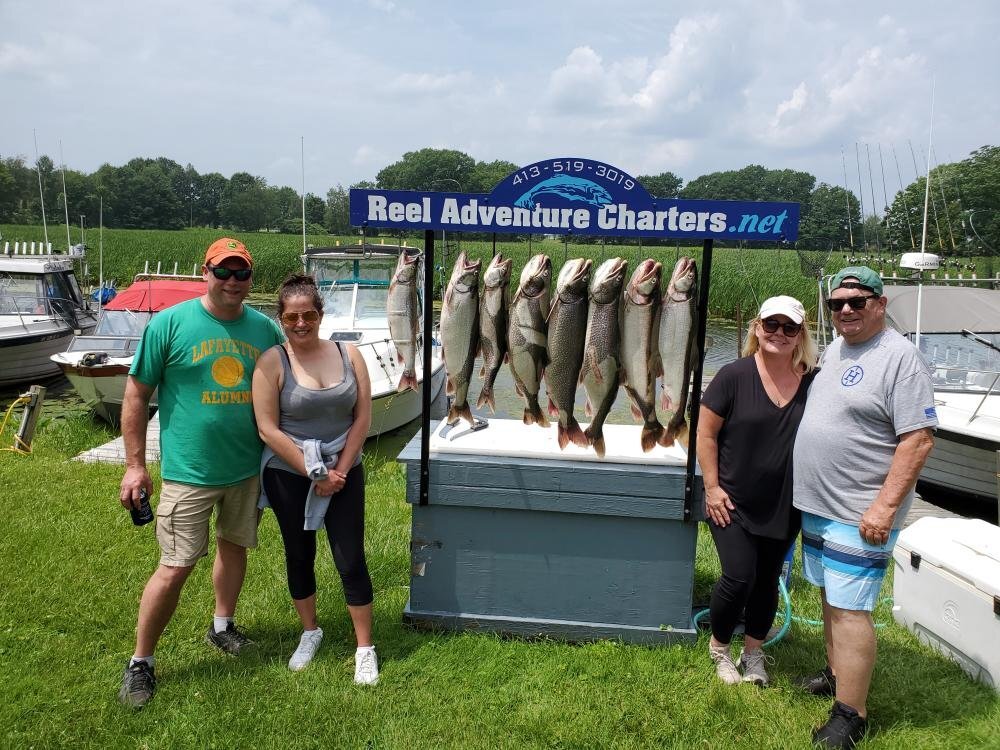 My brother in law and crew only managed one today. What a difference a day makes.
 -
 I bet that was a blast! Good job!