
schreckstoff
-
Posts
293 -
Joined
-
Last visited
3 Followers


schreckstoff's Achievements
122
Reputation
-
 Such a great thread! Great input Dave! I just saw this found it interesting: https://www.facebook.com/share/p/19B6odrTk1/?mibextid=wwXIfr
 -

Jigging the Oak 8/13
schreckstoff replied to idn713's topic in New York Fishing Reports - Lake Ontario (South Shore)
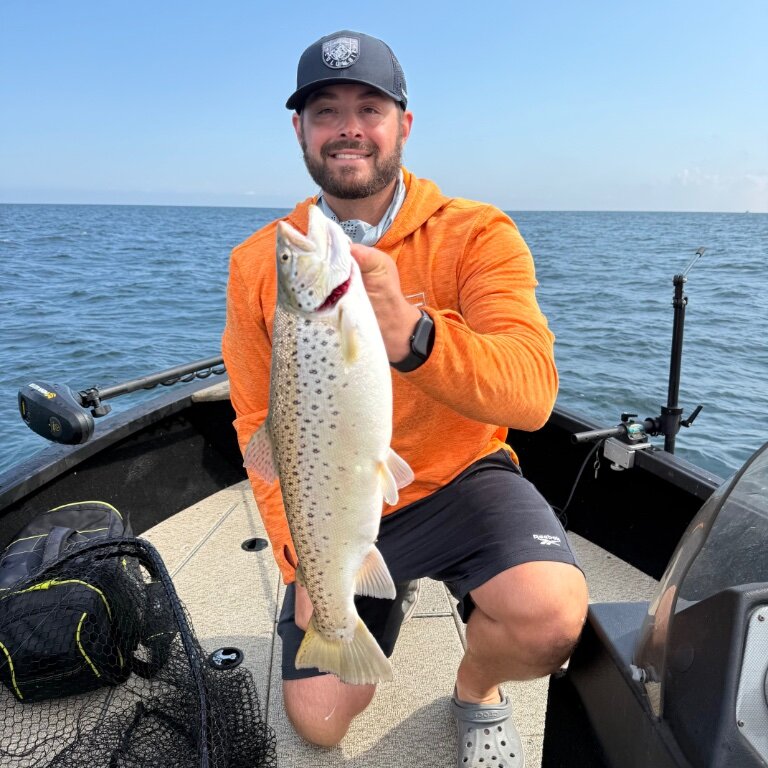 Any idea what length those little kings were?? Thanks
 -
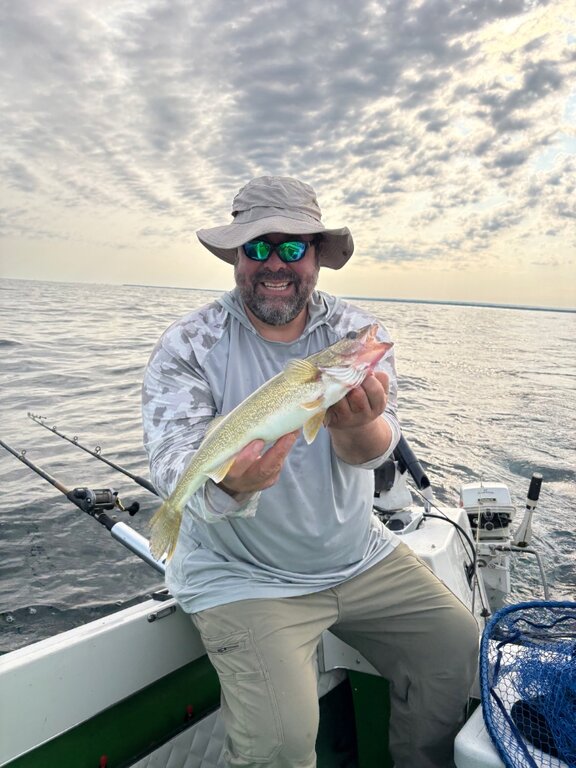 My first time fishing lake erie, it was awesome. Tons of people, & even more fish, really nice facilities, it was just impressive all around. amazing time thanks gillT!
 -
If my memory serves,the fishhook flea (Cercopagis, one that grabs and wads up on line) is more abundant earlier in the season before the spiny water flea Byth, which becomes abundant late summer /fall. Bythotrephes is a lot bigger so Alewife definitely prefer that when available. I have never looked to see if there’s a difference between the north and South Shore.
-
Spot on rolmops! Fleas, both Bythotrphes (spiny water flea ) and Cercopagis (fishhook water flea) are major parts of the diets of Alewife, Smelt, Cisco, & age-0 Chinook (and probably many other fish species). Data suggest Alewife often feed heavily on fleas late into the fall, essentially adding extra time to the Alewife growing season in years when the fleas are abundant. That “extra” Alewife growth seemed to start around 2004 which coincided with substantial water clarity increases & flea density increases. As you noted Fleas definitely eat native zooplankton that Alewife previously ate. The earliest predictions were that fleas would decimate the food source of Alewife. Our observations support the idea that fleas essentially “package” smaller plankton into a larger, more efficient to consume, Alewife food source. The heavy presence of them in 2025 Age0 Chinook diets was a new and interesting wrinkle. If interested the Biomonitoring sections of the annual DEC reports have all of this in a lot more information.
-
Lower density of flea predators in the east, relative to the west might contribute.
-
Sandy 7/2 morning
schreckstoff replied to tenatureboy's topic in New York Fishing Reports - Lake Ontario (South Shore)
Great report, thanks. Question about those skippers, were they all about the same size, 12 inches? We are experimenting with ways to survey the juvenile Salmon, both the stocked fish and the wild fish. If those stocked fish are already 12 inches, they are going to be much bigger/tougher to catch in two months. -
Substrate & habitat classification of probable LT spawning areas in Lake Ontario, including video: https://www.sciencebase.gov/catalog/item/6793732cd34e88f5864c50af videos can be big files
-
Thanks for posting Longline, happy to see this published. We have a bunch of papers that will be out soon demonstrating just how degraded the lake spawning habitat is for some species and how some of the experimental rehabilitations have worked.
-
It certainly seems like the recent observations support your idea rolmops. There have been quite a few of strong Alewife year classes(YC) produced the past few years, 2020YC, 2022YC, and 2024YC (crazy abundant).
-
When I saw all the replies on this topic, I started to worry, very happy they were not posts about dead Alewife and instead classic LOU banter. The observations of when Alewife move into embayment is interesting. I love when people post what they are seeing around the lake . we often think of Alewife as just prey, but they can be very effective predators on a lot of larval fish.
-
Thanks for the info
-
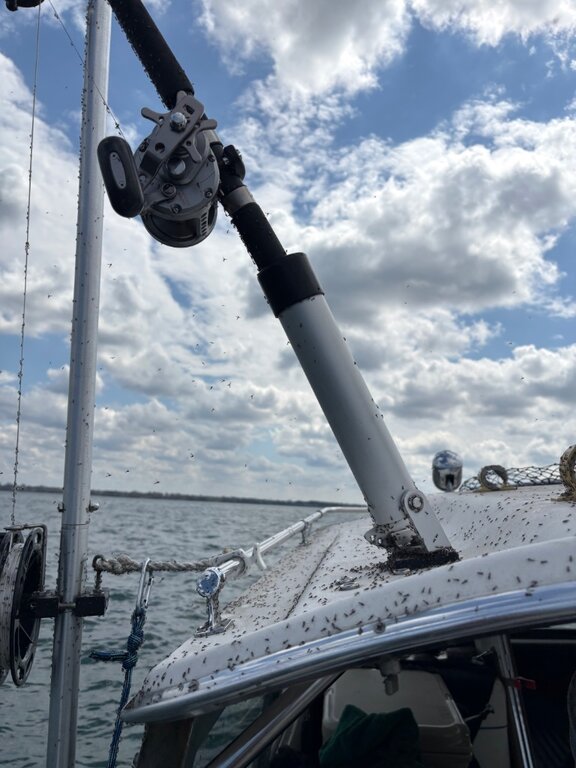 Love the boat Pics SJane & definitely appreciate hearing the history and stories about the LO fishery in the 80s
 -
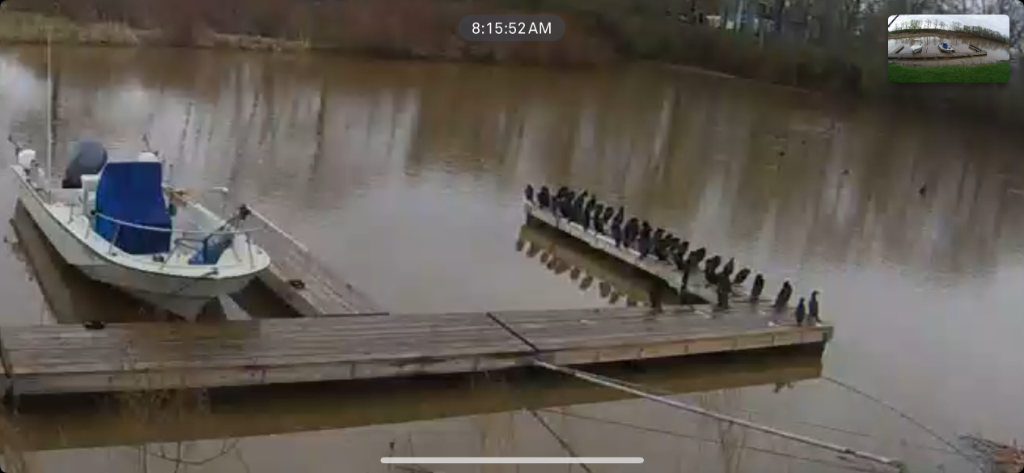 Walberg Introduces Legislation to Protect Fisheries from Cormorants https://walberg.house.gov/media/press-releases/walberg-introduces-legislation-protect-fisheries-cormorants
 -
 Appreciate the timely info!