


LongLine
-
Posts
4,333 -
Joined
-
Last visited
Content Type
Profiles
Forums
Events
Gallery
Store
Everything posted by LongLine
-
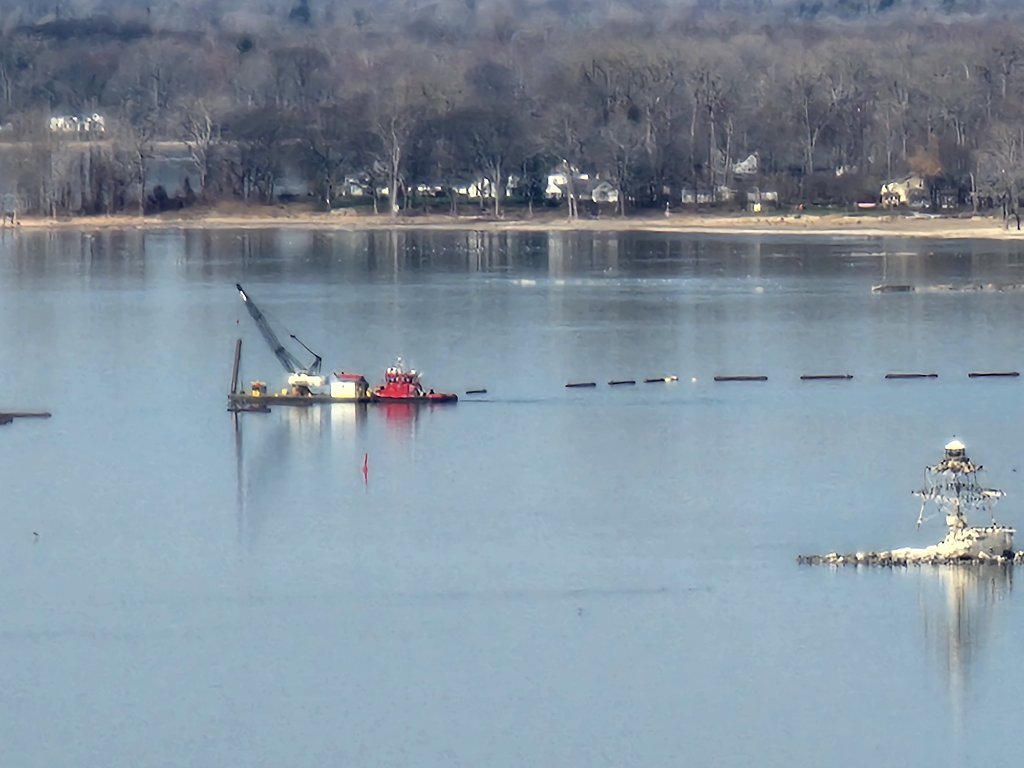 If the ice "chunks" are big enough to scour the spawning beds then they'll cause a lot of damage to river front property such as docks, boat houses etc. There's plenty of other things in the rivers to avoid running into. Who'll be the 1st fisherman to damage his rig hitting ice?
 -
 NY has a population of 19.6 million and NYSDEC employs just shy of 3,000. This equates to 1.5 DEC employees per 10,000 residents. Pennsylvania has population of 12.8 million and DEP employs 2,500 which equates to 2.0 DEP employees per 10,000 residents. Ohio has population of 11.7 million and ODNR employs 3,300 which equates to 2.8 employees per 10,000 residents. NYSDEC would need 3,920 employees to reach PA's ratio of 2 per 10,000 residents. They'd need 5,488 to reach ODNR ratio of 2.8. ODNR operates 6 hatcheries and stocks approx. 320 locations. Pa Fish & Boat Commission (DEP) operates 12 hatcheries and stocks 823 locations. NYSDEC operates 12 hatcheries plus the Lake Ontario Unit. They stock over 1,200 locations. Looks to me that NYSDEC does a lot more with less than these other states and is greatly understaffed. Although some would, I would not rely on an apprentice plumber to fix an electrical problem in my house.
 -
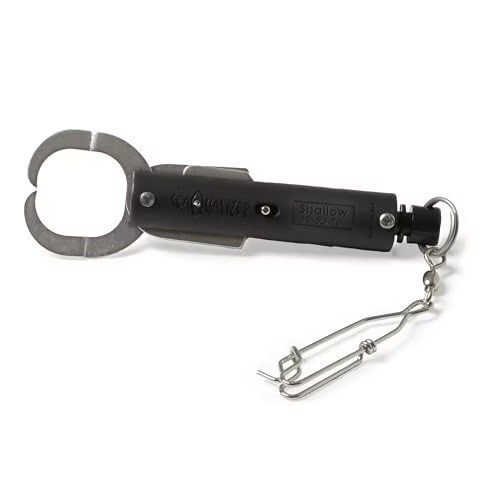 Haven't kept a fish in over 30 yrs. I don't believe high mortality rate with salmon. Just keep them head-first into the current for a minute then push them headfirst towards the bottom. Stlhd & LTs more "delicate."
 -
Siwash hooks on spoons ??
LongLine replied to Mike M's topic in Questions About Trout & Salmon Trolling?
Switched the majority of my trebles to siwash a long time ago. I use 2/0 & 3/0 on NK28 sized spoons. Put the point facing the cup of the spoon. -
Boating Frequently Asked Questions - NYS Parks, Recreation & Historic Preservation Persons over 18 and renting a boat don't need it. Persons under 18 renting one do need it. As to enforcement: Any law enforcement in your boating area can enforce it. At the Genny this includes the RPD, MCSD, State Police, NYSDEC, USCG & Border Patrol.
-
Thanx Pete. Glad the offer was made to those guys to be rehired. We're keeping fingers crossed that all works out well.
-
Latest anti-outdoor decisions from Washington
LongLine replied to Gill-T's topic in Open Lake Discussion
There are a considerable number of army/air force bases that have beem closed and not being used at all. If affordable housing is the real driver, why not develop them? They already have roads, utilities, are near towns, etc. Why dig up pristine lands in the middle of nowhere when this land isn't being used at all? -
Thanx Pete. I appreciate the info.
-
Latest anti-outdoor decisions from Washington
LongLine replied to Gill-T's topic in Open Lake Discussion
Well, it only takes about 170 acres for a golf course. Another 70 or so for an airstrrip. Another 50 for a hotel..... Wonder who'd buy that? -
ttt They're at it again. It looks awful real! DO NOT CLICK on the notification to see the reply.
-
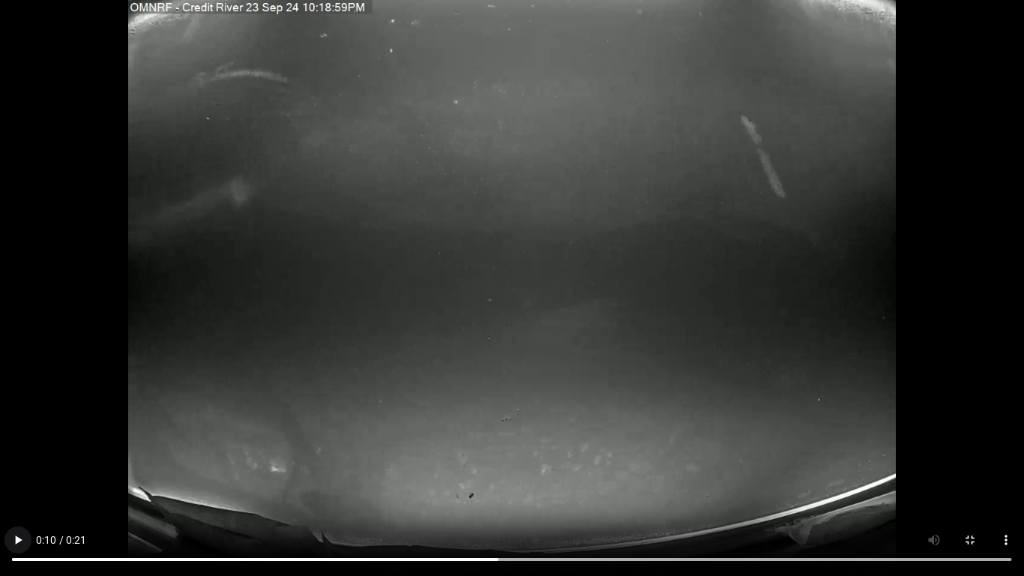 Bird flu? Haven't seen that many around the Genny either.
 -
"Someone" brought up grinding them up and mixing them with feed at hatchery. My responses were geared towards that and not to what they eat out in the lake.
-
I don't know if fish will exhibit the symptoms and/or die from it. Birds found with it were waterfowl and their infection in Great lakes area was attributed to the Round Goby. As shown in previous posts, gamefish are also eating the gobies. Do gamefish filter the toxin out via their bodily functions thus fishermen can safely eat them? Gamefish don't seem to be able to filter out other pollutants, hence health and preparation advisories. I don't know that there's a feed shortage for the hatchery. I'd rather see some kind of "growth hormone" added to the feed. Do Bass get big because Gobies are nutritional or because they eat so many of them while defending their nests?
-
The thinner the cable, the better it is to reduce blowback. Coated cable has more blowback than uncoated. I tried 220 Lb and went back to the 120 Lb the next time out. As to painting: Years ago I molded my own weights. When the weight was fresh (i.e. bright, shiny and a little warm), regular Rustoleum worked great. I still have a couple that the paint is still intact. When the weight has turned greyish, the lead has oxidized. Lead oxide is a passive surface, to which nothing will stick. Chemicals to remove Lead oxide and activate the surface are very hazardous and I certainly DO NOT recommend sanding them. (lead dust) They only thing you can use is a "rubberized" coating that encapsulated the entire weight. I think Flex-seal and Rubberized Rustoleum have sprays but they are difficult to paint over if you don't like the colors.
-
Thanx for the update.
-
That's why it's monitored more. They did that once and a bunch of fish got wiped out.
-
Fish to be stocked are fed a special diet that is heavily monitored. Fish are treated for diseases. I remember a few years ago, an article connecting gobies to botulism. Another stating that gobies often have a high heavy metal content due to eating mussels. Heavy metals will disrupt a fish's immune system.
-
As long as the course was approved by USCG it's good in NYS. (Regardless of your residency)
-
Here's a video by GLFC/USGS on Lamprey Control program in Great Lakes. Posted 11 months ago. Here's some "cliff notes" LAMPREYS: - There are 4 native Lamprey's. Sea Lamprey is invasive and much larger - Lampreys have 100,000 eggs of which 10% are viable. They die after spawning. - Males make the nest and females are attracted to males by scent. - They do not necessarily return to their natal streams to spawn. - They also attack Perch, Walleye, Bass and Pike. - 6 out of 7 attacked fish die. If not directly from wound, then from infection. TREATMENT: - Treatment is at nesting sites, which are located by electroshocking. - pH, Alkalinity, temp and O2 are measured first. If conditions not met then treatment is deferred. - TFM liquid used for typical streams. Bayluscide crystal used on rivers. TFM blocks used on real small creeks. - Liquid treatment requires constant monitoring and is applied over a 12 hour period. - Physical barriers block upstream migration. Lampreys can't jump over 18". - Traps are for migrating adults but are the least effective control. - Lake Ontario population spiked in 2023 as traps caught "thousands" of Lampreys. GLFC playing "catch up" since. FUTURE TREATMENTS: - Sterilization has had very limited testing. Only for males. - Pheromones (scents) 1. Attractants: To improve trap capture. 2. Repellants: To prevent migration. 3. Antagonist: To prevent females from finding nests 4. Predator: To scare them away. Basically the smell of dead Lamprey. QUESTIONS & ANSWERS: - Lampreys do not return to natal streams like salmon. - Nontarget specie affected by TFM are Mud Puppy (salamander) and small Lk Sturgeon. - Lake Sturgeon were removed from treatment streams and held in ponds until TFM treatments finished. - Lab testing of TFM used a small Bluegill and small trout. (video shows trout laying on its side) - Whether Lampreys can build up resistance to treatment is being studied via DNA analysis. No results observed yet. - Of their $19.6 million budget, $13 million went to Lamprey control. (that year) - Sterilization limited to small ponds due to potential influx of unsterile males migrating in larger lakes. - TFM not effective below 6C (42.8F) - Warming water will "probably" cause lamprey to spawn earlier in season. - Walleye may opportunistically eat them but natural predator unknown. - Lamprey specie over 300 million years old and were most abundant on west shore of Europe but now endangered there. - Lamprey considered a delicacy in UK. "Lamprey Pie" is basically a "stew." (If you can't view it, simply log onto google or a gmail account on another tab)
-
Those were cut off. The surcharge went into effect yesterday.
-
Lamprey Control under the Trump administration
LongLine replied to Yankee Troller's topic in Open Lake Discussion
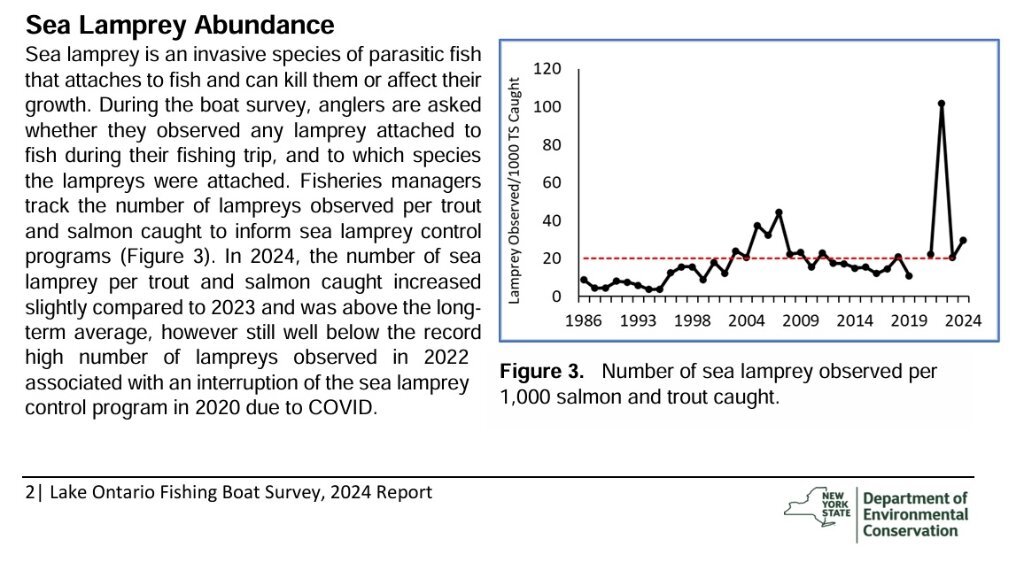 Boze - Thank you for the two "Lamprey Control" contributions to this thread.
 -
Lamprey Control under the Trump administration
LongLine replied to Yankee Troller's topic in Open Lake Discussion
Thanx. Was something below the gum line hitting a root. A shot, scapple...all better. I'd like to know the source of those numbers. I'm just amazed at all the support for a convicted tax dodger. Hope you all have your batteries charged. Buffalo, Rochester, all the way up to Ogdensburg just got hit with a 25% electric surcharge. -
So how many eggs did they get this year and from how many fish? Did they measure the fish (like they show in the SR tour video)? What were the numbers? It'd be so easy to avoid controversy by publishing the numbers. What were the egg sies?
-
Lamprey Control under the Trump administration
LongLine replied to Yankee Troller's topic in Open Lake Discussion
Well, we almost made it 36 hrs without the political banter. I have a dental appointment for a toothache. I hope I just get a filling, and he doesn't pull all my teeth. Of course, he could correct his mistake with a full set of dentures. (At 100 times the cost!) -
Absolutely. There are many factors beyond man's control BUT shouldn't those that can be controlled be controlled? Seems to me that there is a lot of empirical proof on Big-O. I'd like to see the statistical anova analysis that this biologist used to rule it out.