


LongLine
-
Posts
4,333 -
Joined
-
Last visited
Content Type
Profiles
Forums
Events
Gallery
Store
Everything posted by LongLine
-
Currents & sub-currents can be vicious on Big-O. especially with the temperature regime & varying winds we been having. Try the N-S & S-N tracks. Bracket the depths. i.e. go from say 185 to 240FOW and watch your rigger cables. Tom B. (LongLine)
-
Atlantic Salmon baits?
LongLine replied to Scalloper 1's topic in Questions About Trout & Salmon Trolling?
They're more an incidental catch here on the south shore. The few I've caught have been on NKs & Dreamweavers. -
I add them if they don't have them.
-
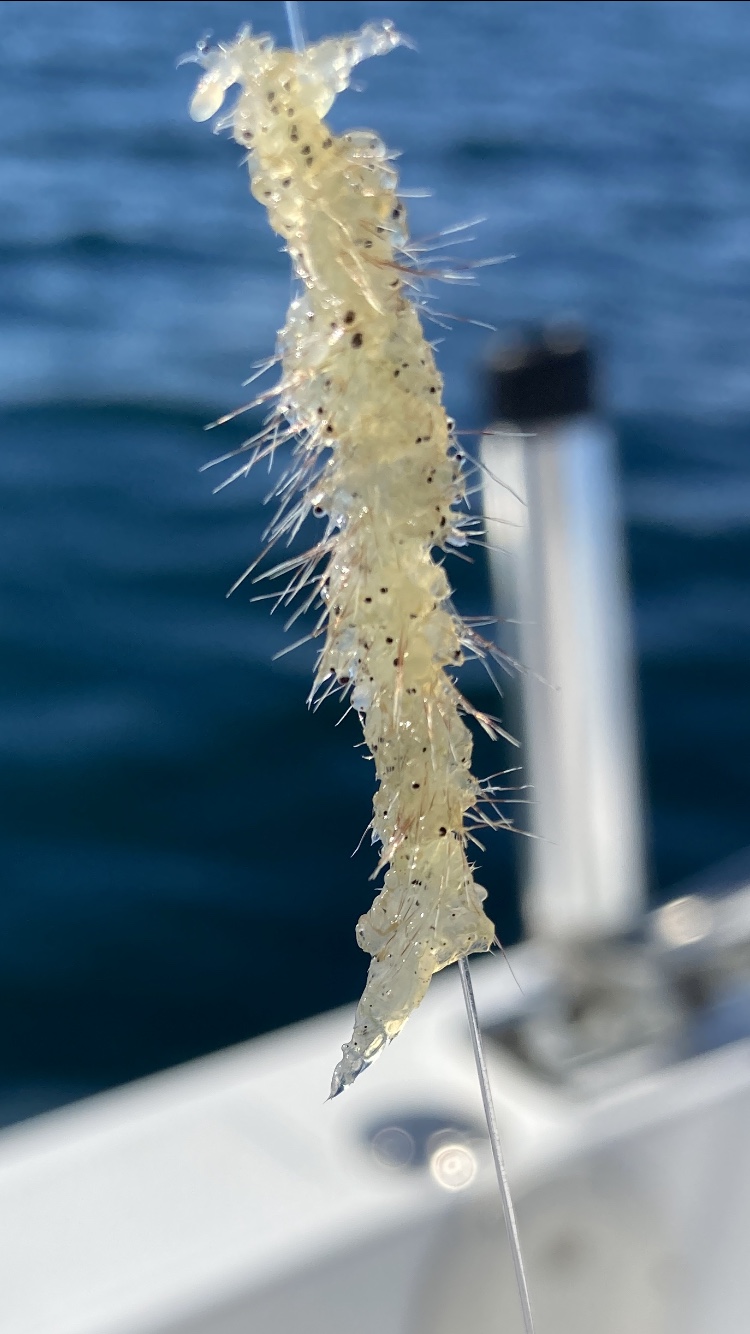 FWIW: Those pictured are Spiny. Spiny's are generally bigger that Fishhook and often have a black spot on their bodies. They say the Spiny moves in the water column according to day & night whereas the Fishhook are surface oriented throughout. Fishhook may have a reddish streak.
 -
www.manualslib.com/products/Raymarine-Dragonfly-7-3484164.html Tell him to search above site. H.I.H. Tom B. (LongLine)
-
BB - no problem...that's the best part of this site....helping to pass along some tips. Tom B. (LongLine)
-
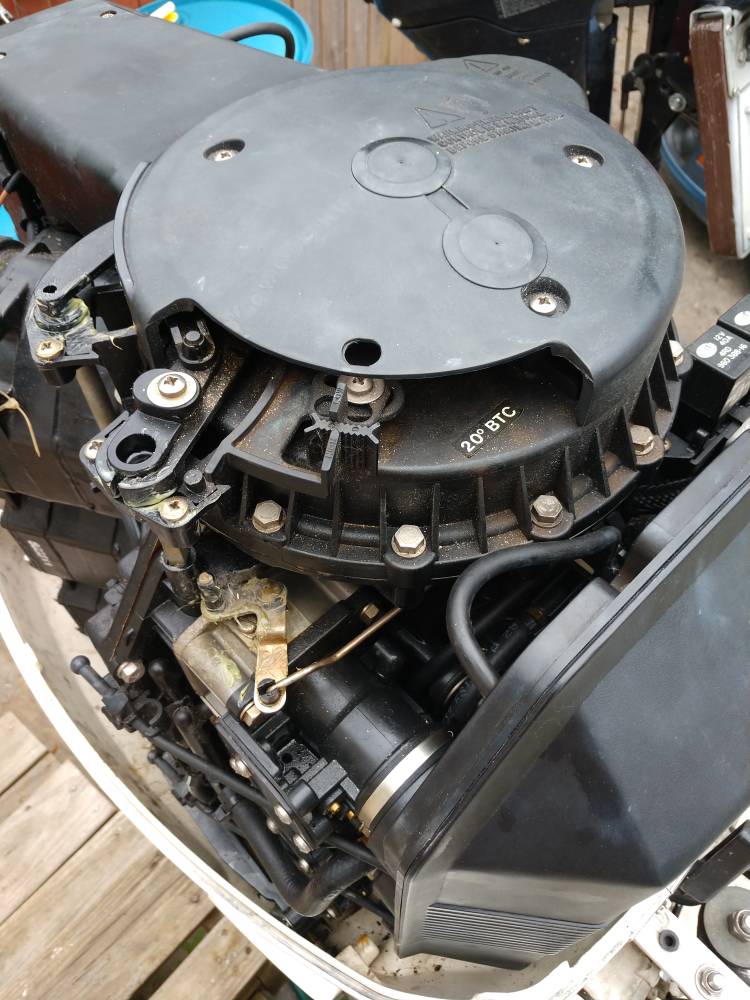 There could at some point be gas fumes under that cowling. (leaky carb, cracked hose, flooded, ets) I worked a long time with flammable liquids & learned a long time ago that you don't want steel on steel contact if any fumes can be present. The starter spins pretty fast and is thrown up into that flywheel pretty hard. That split second before the teeth actually mate is where the shaving (actually grinding) on top and along the flanks of the pinion teeth is occurring. Fumes plus spark equals boom! That's why inboards have to have doghouse blowers that are supposed run a few minutes before starting. Outboards don't have blowers so they use non-sparking materials. Tom B. (LongLine)
 -
Definitely the brass starter gear. If it was steel, many motors would go up in smoke!
-
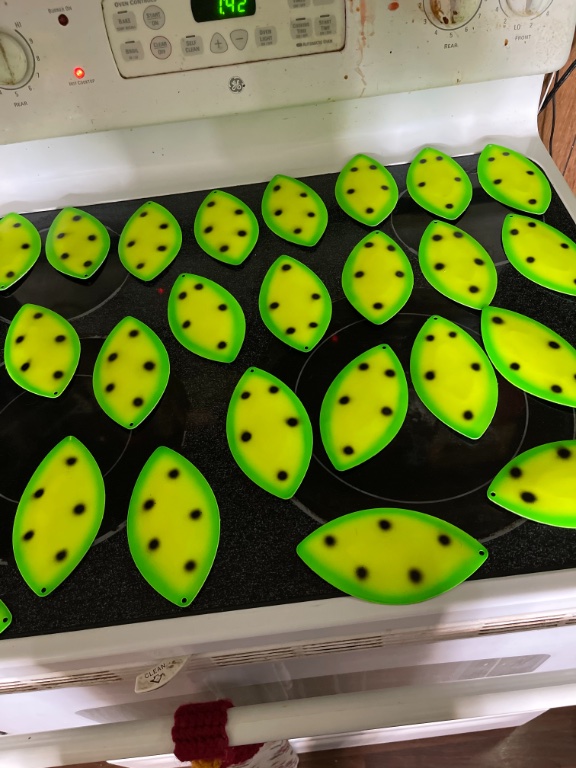 Great job! Spooks look hot! Tom B. (LongLine)
 -
Ever Tip a Trolling Fly with Artificial Bait?
LongLine replied to Super G's topic in Tackle and Techniques
Run behind a dodger/flasher. Never heard of anyone around here tipping them. Tom B. (LongLine) -
Did it once......never again! Tom B. (LongLine)
-
Bear creek 6/25 circus
LongLine replied to dhhurlburt's topic in New York Fishing Reports - Lake Ontario (South Shore)
Those were the days! Hope you took a lot of pictures. Just wait till one time out & one of the boys says" "Here Dad, you take it,,,it's a little one." Tom B. (LongLine) -
A sustained South wind (along the south shore) generally pushes warmer surface water out and colder bottom water usually comes in towards shore. Tom B. (LongLine)
-
yep, they're showing up. Suggest when you're reeling in and lure is about 30-35 ft from boat, lower your rod tip into the water and zip it upward as fast as you can. Usually cuts the majority of them off. (Not suggested to slap the water with the rod....unless you want a broken rod) Tom B. (LongLine)
-
I-Bay 6/20
LongLine replied to BreakingBass's topic in New York Fishing Reports - Lake Ontario (South Shore)
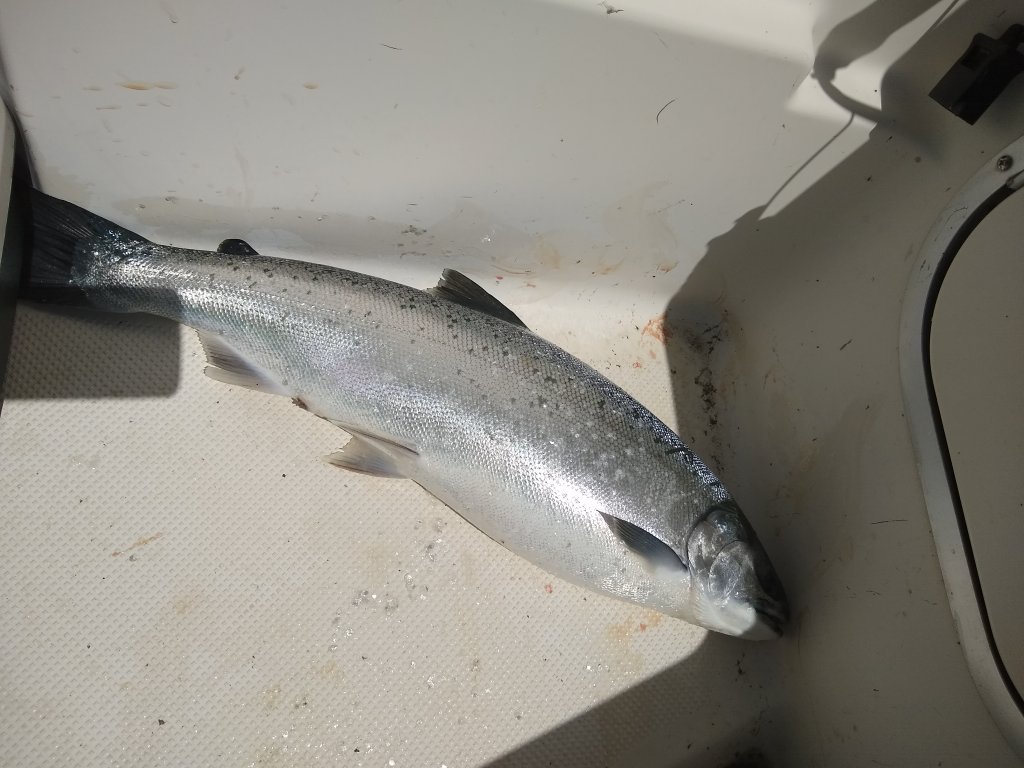 BB - Don't worry, anyone who says they never had a bad day like that is a liar! Best thing about those days is that the further they are in the past, the funnier they are. Tom B. (LongLine)
 -
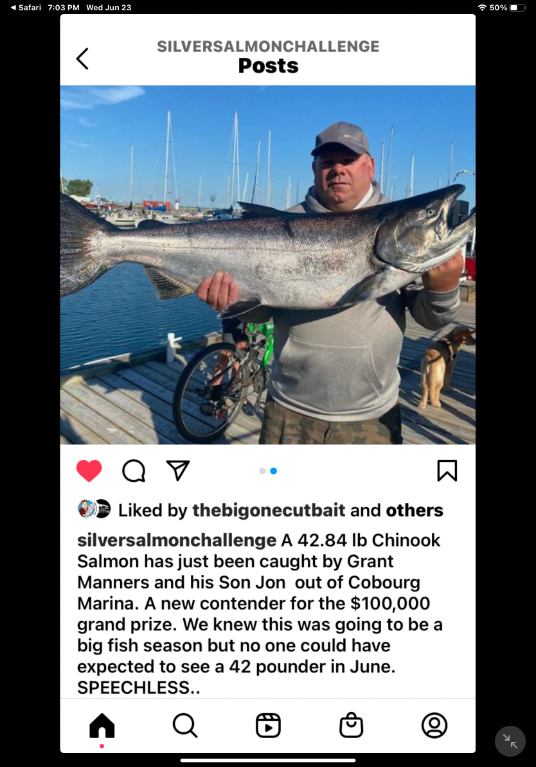 Double WOW! (just saw it on their fb page.)
 -
WOW! That today?
-
What do you Run off planer boards?
LongLine replied to garrymny's topic in Questions About Trout & Salmon Trolling?
The simplest thing to do is to just run plugs with some decent size keel sinkers. Tom B. (LongLine) -
Need some advice please!
LongLine replied to WebsterWaters's topic in Questions About Trout & Salmon Trolling?
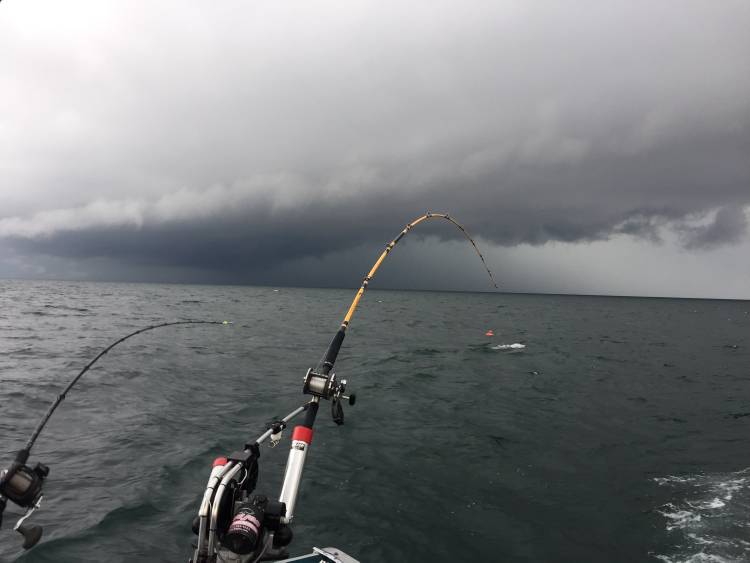 Your cable picture tells me your down speed is very high. Rather than trying to go with or against currents, try going across the general current. i.e. N-S troll. The rods in your pix aren't nearly loaded enough. With one rod out, try putting your boat in neutral & observing the tip. If all the rod bend comes out, then load the rod more. Agree with JD, ditch the fish icons. Seaweed, flotsam & other crud will show up as fish, which will drive you nuts. Good luck. Tom B. (LongLine)
 -
Lure color and depth recomendations
LongLine replied to hondo573's topic in Questions About Trout & Salmon Trolling?
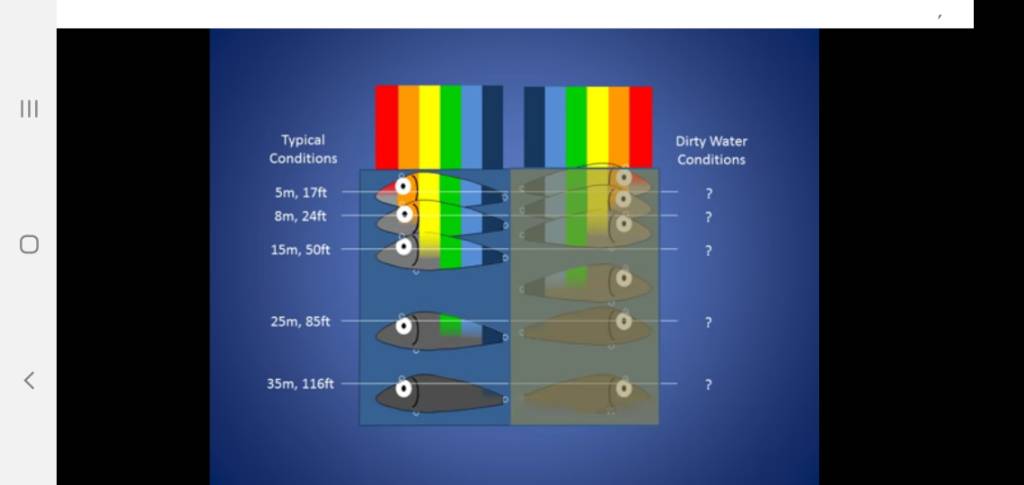 I never fish just one depth. I believe in the the theory of "1-above, 1-in and 1-below." (not just referring to thermocline) As a general rule, all will have some color in common. i.e all have some variation of green, or all some variation of Blk/silver, or all some variation of orange, etc. Fish for a little bit, then change to different group. I keep doing it till I find what they want that day.
 -
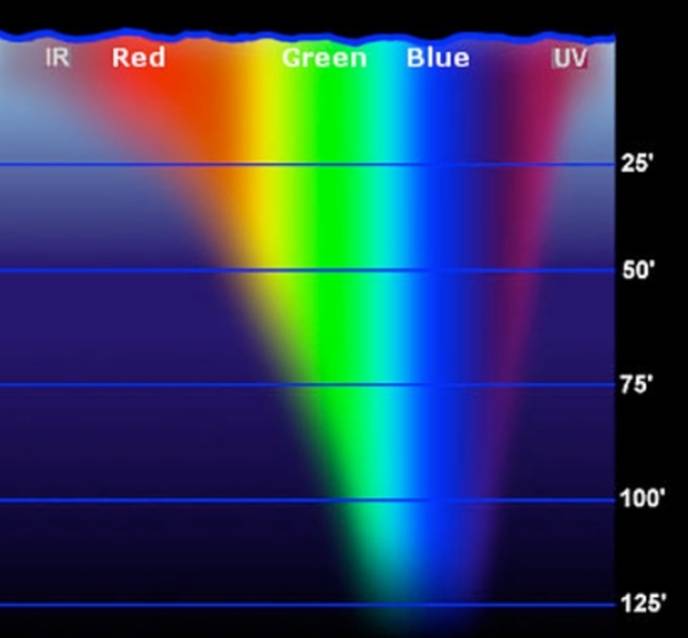 SK8 hit the nail on the head. Fish have a different number of cones in their eyes which allows them to see some of the UV/IR spectrum. I've found Reds & Purples to be effective well below the depths shown on those "visibility" charts. Tom B. (LongLine)
 -
Apparently each Sanctuary has an advisory committee that sets the rules & makes recommendations to NOAA. Big-O committee has reps from: Tourism, Shoreline owners, Rec. fishing, Rec boating, Maritime history, Education Economic development (which is the one I worry about), Divers clubs & 'citizens at large." NOAA and NYS would have to agree to regulations and share management of the area. Appears they're looking for input to determine their recommendations. So Okay, here's some: Appears the purpose is to protect Maritime history. i.e shipwrecks cannot be disturbed in any manner. Regards fishing: you can't anchor near a wreck, can't entangle a net on one. I imagine it would be frowned upon if you hit one with a downrigger ball. Regarding windmills: According to the Federal Register and 71 FR 4898 (pgs 4898=4903) "Continued presence of commercial submarine cable beneath or on the seabed" is prohibited UNLESS a Special Use Permit (SUP)is issued. As I see it, basically a SUP can be issued as long as Maritime history is undisturbed; enhances education and research; or provides "public benefit". ("Public benfit" has always been controversial in NYS) Stellwagen Bank Sanctuary (in the ocean off Mass.) was issued an SUP for its cables, albeit fiber optic cables. I don't know much about Thunder Bay or the proposed one in Michigan. Also Re windmills, I imagine foundations and maintenance of them and the cables would be problematic, especially as many of the shipwreck sites are unknown. Foundations are huge. We all know there are some fantastic currents in Big-O. What effect would a multitude of foundations have on the currents & silt deposit on Big-O? We all know that some silt from the Genny ends up in Henderson. What effect would it (disruption) have on the shipwrecks? NYSDEC, USGS & Army Corps have all dodged the question of currents and temperature regimes on Big-O, in the past. In addition, other questions I have (that'll probably be dodged): what effect does plan 2014 have on the sites? Shouldn't the water level be tightly regulated for better preservation? How about the freighters? Shouldn't their ballast regulations be tightened? They already brought in Quaggas & Zebras which are covering many sites in Big-O. What else are they going to bring in? (Feds already messed that up by disallowing NYS freighter ballast regs a few years ago) I'd prefer the entire south shore be a sanctuary provided Recreational salmon/trout fishing (rod/reel) continues as is, no SUP ever issued for windmills, water levels better regulated, & ballast laws be revisited. Guess my rant is over. Tom B. (LongLine)
-
I-Bay 6/20
LongLine replied to BreakingBass's topic in New York Fishing Reports - Lake Ontario (South Shore)
Nice fish! (But I don't think it's a king either ) -
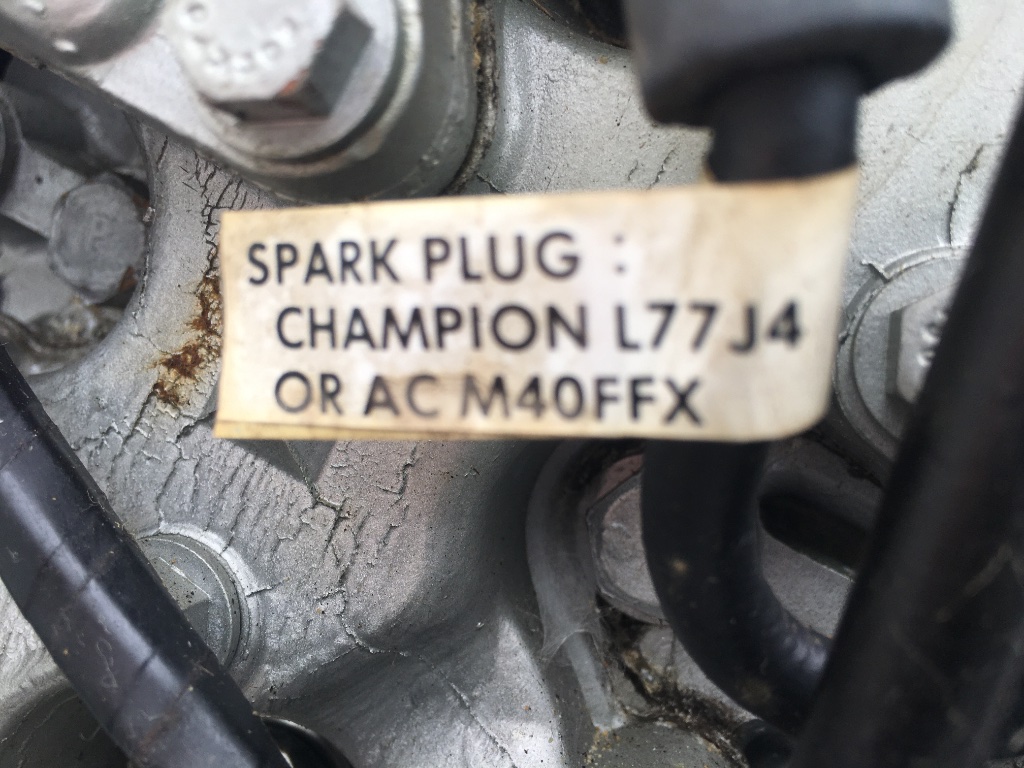 Sorry for late reply, but that's the wrong part. Hope you got it straightened out by now.
 -
Father's Day at Sandy Ck
LongLine replied to Ric66's topic in New York Fishing Reports - Lake Ontario (South Shore)
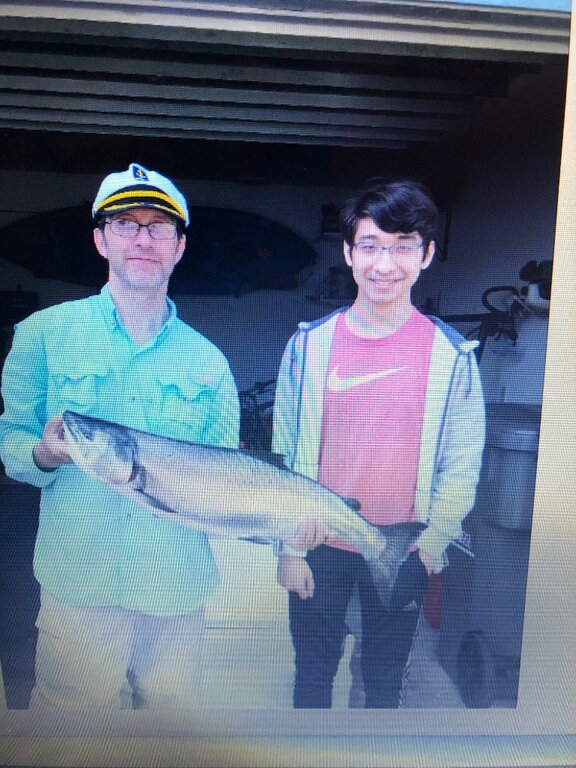 WTG!
WTG!