



LongLine
-
Posts
4,333 -
Joined
-
Last visited
Content Type
Profiles
Forums
Events
Gallery
Store
Everything posted by LongLine
-
Add a swivel to Spoons?
LongLine replied to Senor Snagger's topic in Questions About Trout & Salmon Trolling?
It all depends on the snap you're using. If they're well rounded then no ring necessary. If you're using small somewhat pointed snaps then yes put a ring on your spoons. Tom B. (LongLine) -
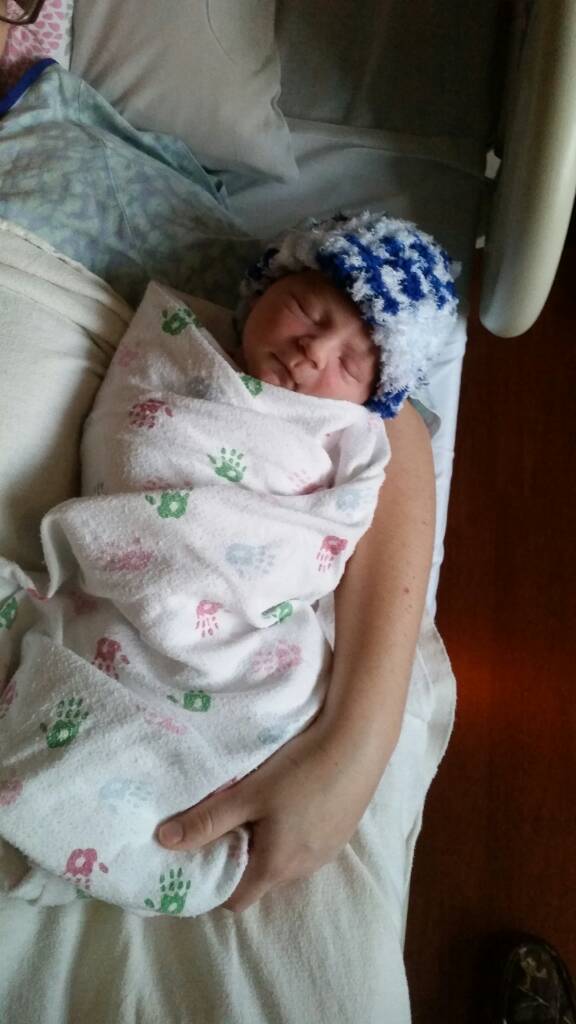 Congratulations to you and momma. Hope she's doing well. Tom B. (LongLine)
 -
Salmon limits remain at 5 on Lake Michigan in 2015
LongLine replied to Legacy's topic in LOUnited For Change
I would think the logical thing to do if the alewife population is dwindling is to raise the salmon limit. (?) But that is not spelled out. Tom B. (LongLine) -
Which rods to switch to? Looking for some opinions
LongLine replied to Sea-IV's topic in Open Lake Discussion
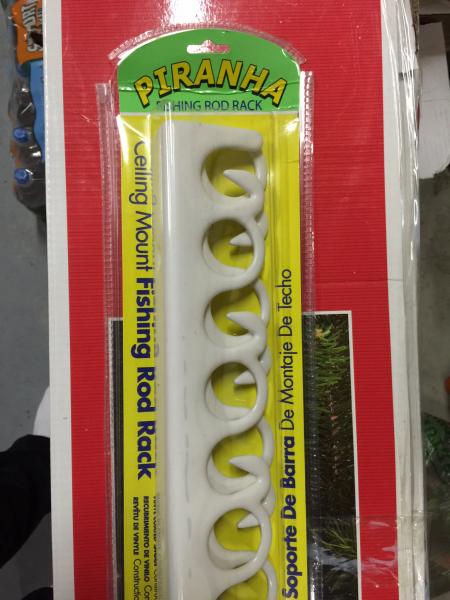 I carry 3 Heartlands 8s and a Shimano 7. Each with a Penn 320GT2. That's more than enough for me. (I don't run lead or copper) Tom B. (LongLine)
 -
Tom B. (LongLine)
-
December 27th - Lady O
LongLine replied to Yankee Troller's topic in New York Fishing Reports - Lake Ontario (South Shore)
You're right Yank...those are obscene...WTG! Tom B. (LongLine) -
IMO, there's some reasons big Browns got that way. They're very wary; they don't like daylight; they prefer small fish over bugs; they're more territorial than other salmonids; some spawn in the lake. Tom B. (LongLine)
-
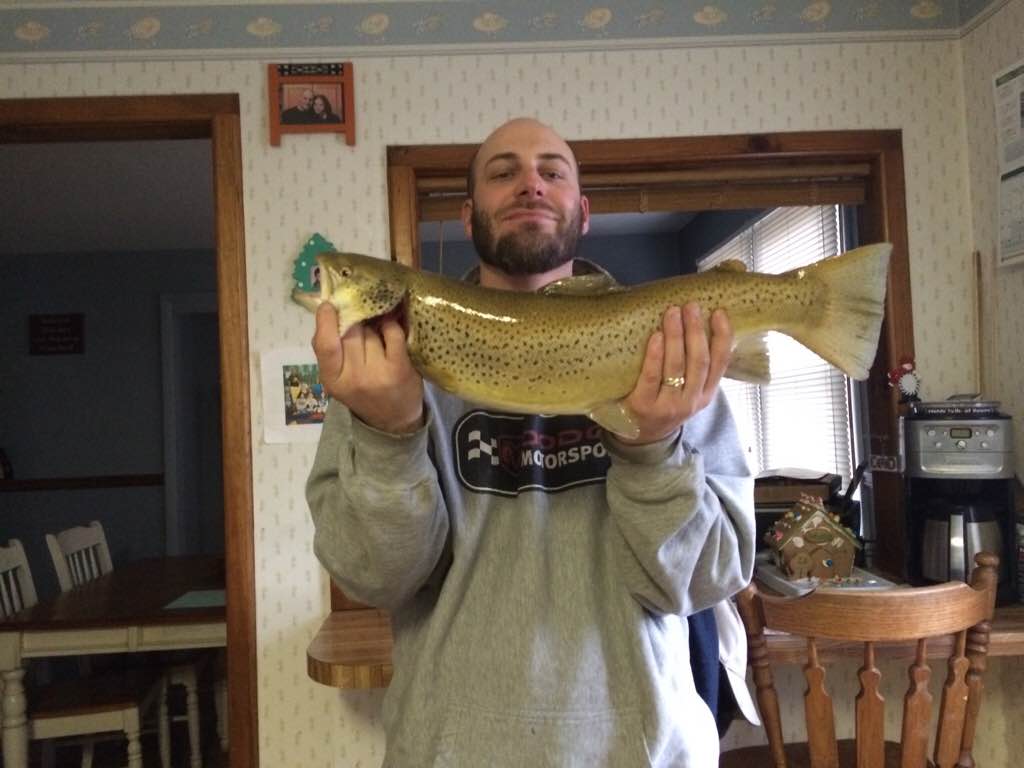 Way to Go!!!! Tom B. (LongLine) ps - I hope you only took your lifejacket off for the photos.
 -
The City will have their parking machine there come April, but best to buy a season pass from Parks & Recreation. And yes it is a deep water launch. I've seen 35 ft'rs pulled out with some big rigs. Tom B. (LongLine)
-
New docks at the Genny look great. Also expanded parking; new road finished. Accessible from the old Stutson st. Tom B. (LongLine)
-
You got it. Tom B. (LongLine)
-
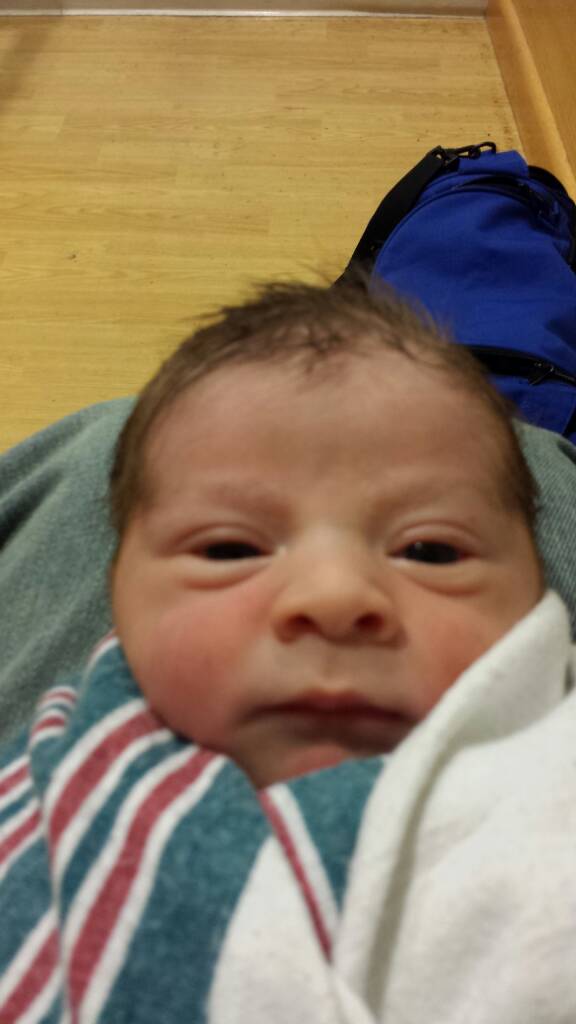 Congratulations - Definitely a keeper. Hope Momma' s doing well. Tom B. (LongLine)
 -
For anyone stuck at work tonite or just bored. (Merry Christmas) Tom B. (LongLine)
-
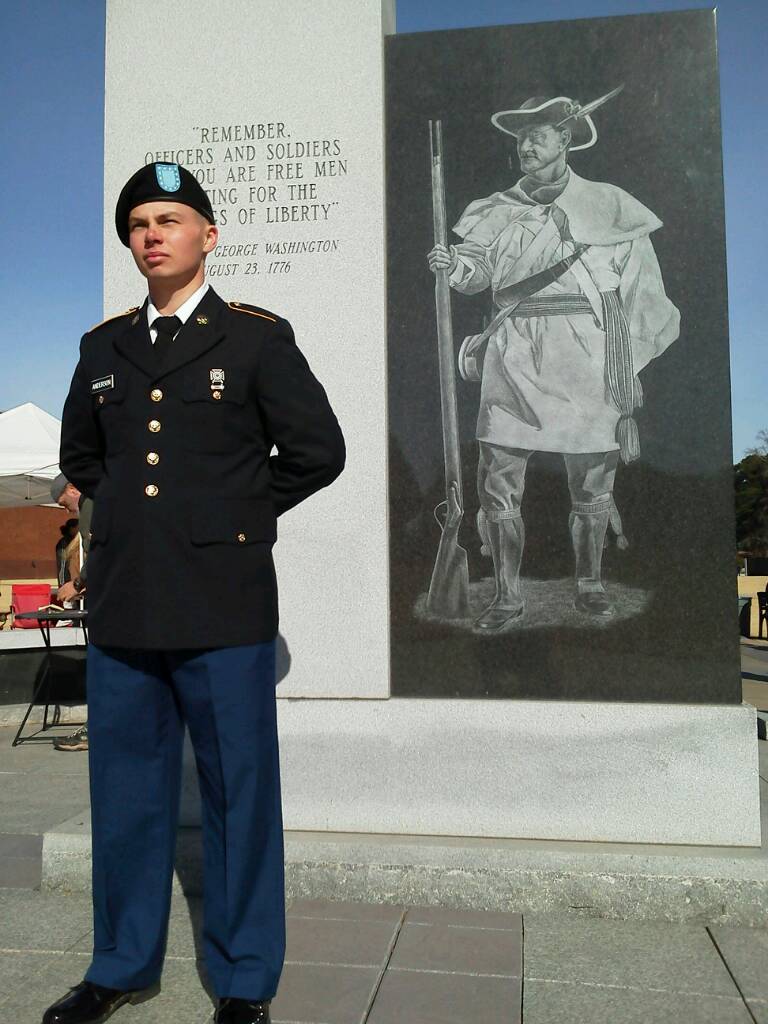 Ho, Ho, Ho, Merry Christmas! Tom B. (LongLine)
 -
Tom B. (LongLine)
-
Hi! I'm Lisa from UltimatePassage.com
LongLine replied to shineonme4ever's topic in Introduce Yourself
Welcome to the site. Tom B. (LongLine) -
Have You Been Spooled? Here's a tip to stop it.
LongLine replied to WillCFish's topic in Tackle and Techniques
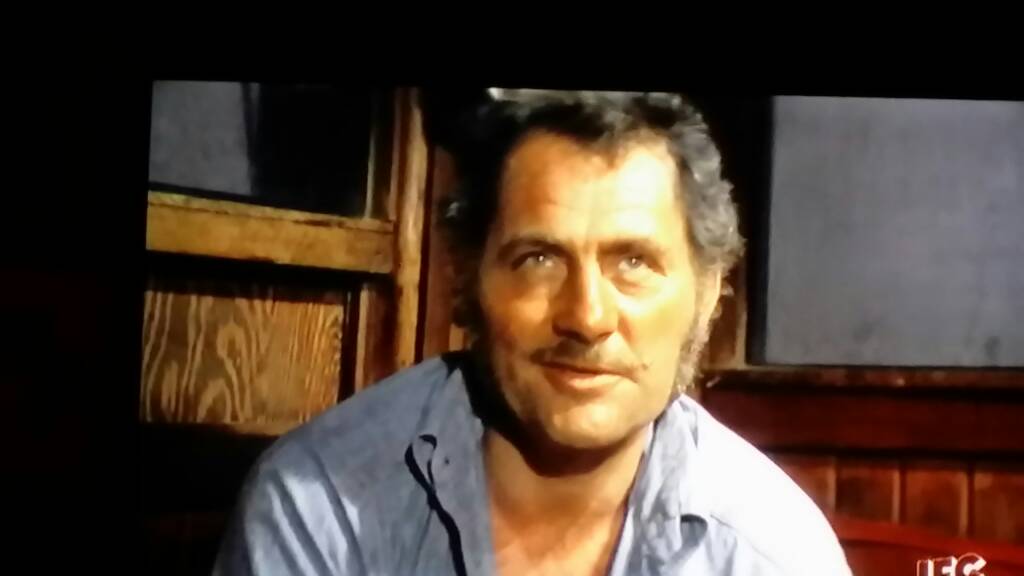 You're supposed to raise the rod tip high & smack the butt of the rod! One good chop in front of the reel will allow line to go slack; hurt like heck; knock the rod out of your hand; break the rod; or hit the guy clearing other lines in the head. Tom B. (LongLine) (Ancient native Americans had rods & reels?)
 -
Catch & release?
-
Grabbing a pike by the eyes will definitely mess up their nervous system. Jury's still out on the vertical thing. Tom B. (LongLine0
-
That's a good test, however he's a dam fool for taking the stuff in the house! Tom B. (LongLine)
-
Tom B. (LongLine)
-
Tom B. (LongLine)
-
The one I forgot to weigh in for the LOC easy 400lbs.
LongLine replied to Chas0218's topic in Open Lake Discussion
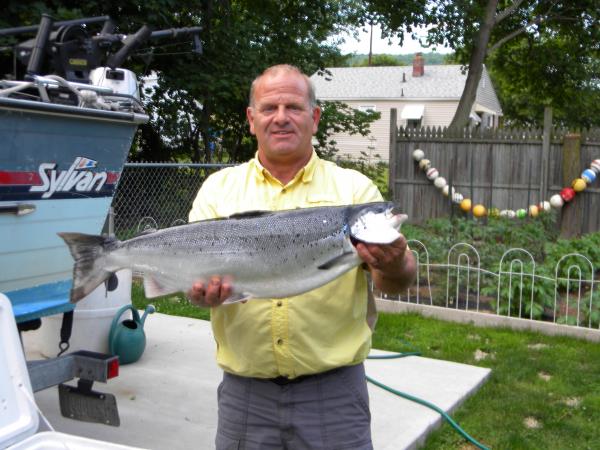 A fish or did you go for a swim? Tom B. (LongLine)
 -
YAY!!!!
-
Replace it with a good marine starting battery. While putting on the main engine, its alternator is running all the gadgets and keeping the starter battery topped off. Your alternator may not have enough kick to keep a deep cycle topped off. Tom B. (LongLine)