
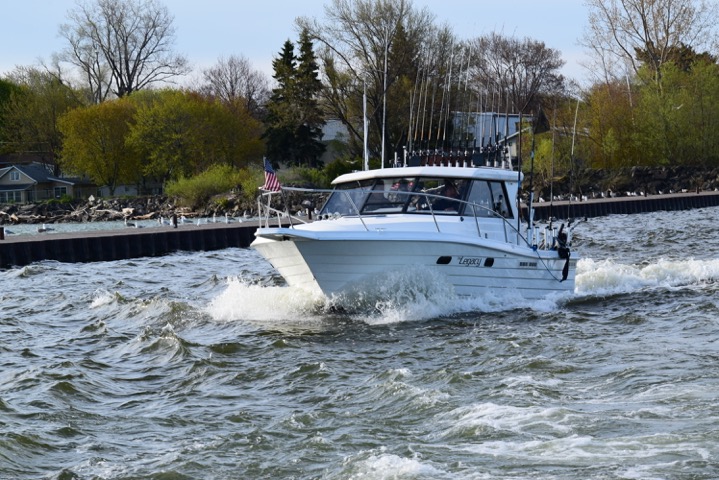

Legacy
-
Posts
7,952 -
Joined
-
Last visited
Content Type
Profiles
Forums
Events
Gallery
Store
Everything posted by Legacy
-
Here is my "recommendations"... OKUMA AND 27# LEADCORE SPOOLING CHART 65# BRAID BACKER 27# LEADCORE 20# FLUOROCARBON LEADER 1 COLOR Okuma 30 series (Classic, Magda, Convector, Cold Water) 1 colors of 27# Blood Run Tackle Micro Leadcore 1200' of Blood Run 65# braid- backer 45' of 20# Blood Run Fluorocarbon- leader 3 COLOR Okuma 30 series (Classic, Magda, Convector, Cold Water) 3 colors of 27# Blood Run Tackle Micro Leadcore 900' of Blood Run 65# braid- backer 45' of 20# Blood Run Fluorocarbon- leader 5 COLOR Okuma 30 series (Classic, Magda, Convector, Cold Water) 5 colors of 27# Blood Run Tackle Micro Leadcore 650' of Blood Run 65# braid- backer 45' of 20# Blood Run Fluorocarbon- leader 7 COLOR Okuma 45 series (Classic, Magda, Convector, Cold Water) 7 colors of 27# Blood Run Tackle Micro Leadcore 900' of Blood Run 65# braid- backer 45' of 20# Blood Run Fluorocarbon- leader 10 COLOR Okuma 45 series (Classic, Magda, Convector, Cold Water) 10 colors of 27# Blood Run Tackle Micro Leadcore 650' of Blood Run 65# braid- backer 45' of 20# Blood Run Fluorocarbon- leader
-

Lead core and copper
Legacy replied to Matt ching's topic in Questions About Trout & Salmon Trolling?
Okuma White Diamond copper/ leadcore rod has become my favorite (model # WD-CL-862M) https://www.fishusa.com/product/Okuma-White-Diamond-Trolling-Rods?gclid=Cj0KCQjwnKHlBRDLARIsAMtMHDGjApUKwR4VbcIFpxIExL-D0sPvWQpqhzkTPFbUBy_ipDg-h-tW2pMaAtF9EALw_wcB -
Just add a couple of split shot to them. 6-8' from the spoon.
-
Attaching Twili Tip for Wire Dipsey
Legacy replied to Sweet Caroline's topic in Tackle and Techniques
super glue... -
This will be the first year I have dedicated planer board setups for early season browns and their only purpose will be just that. Its certainly a luxury but not necessary. For years I have switch out rods to light action for the early bite and/ or leadered other setups.
-
Im assuming we are talking Spring Brown Trout fishing? Here's some of my best stuff from the past couple of Springs. As for speed, cold water equals slow trolling so early in the season 1.8-2.2.
-
Lake Ontario Satellite Images Over The Years
Legacy replied to ut_falcon's topic in Open Lake Discussion
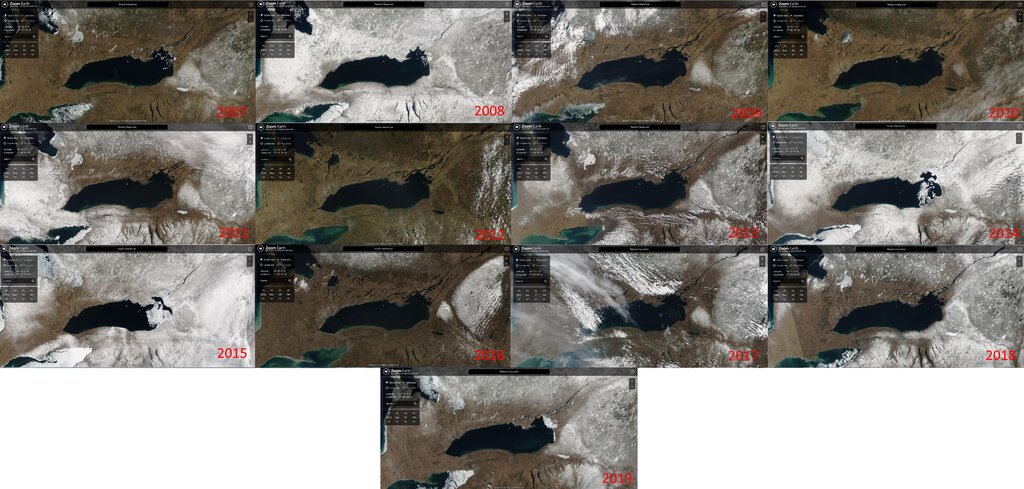 Funny, that is what i was concentrating on also.
 -
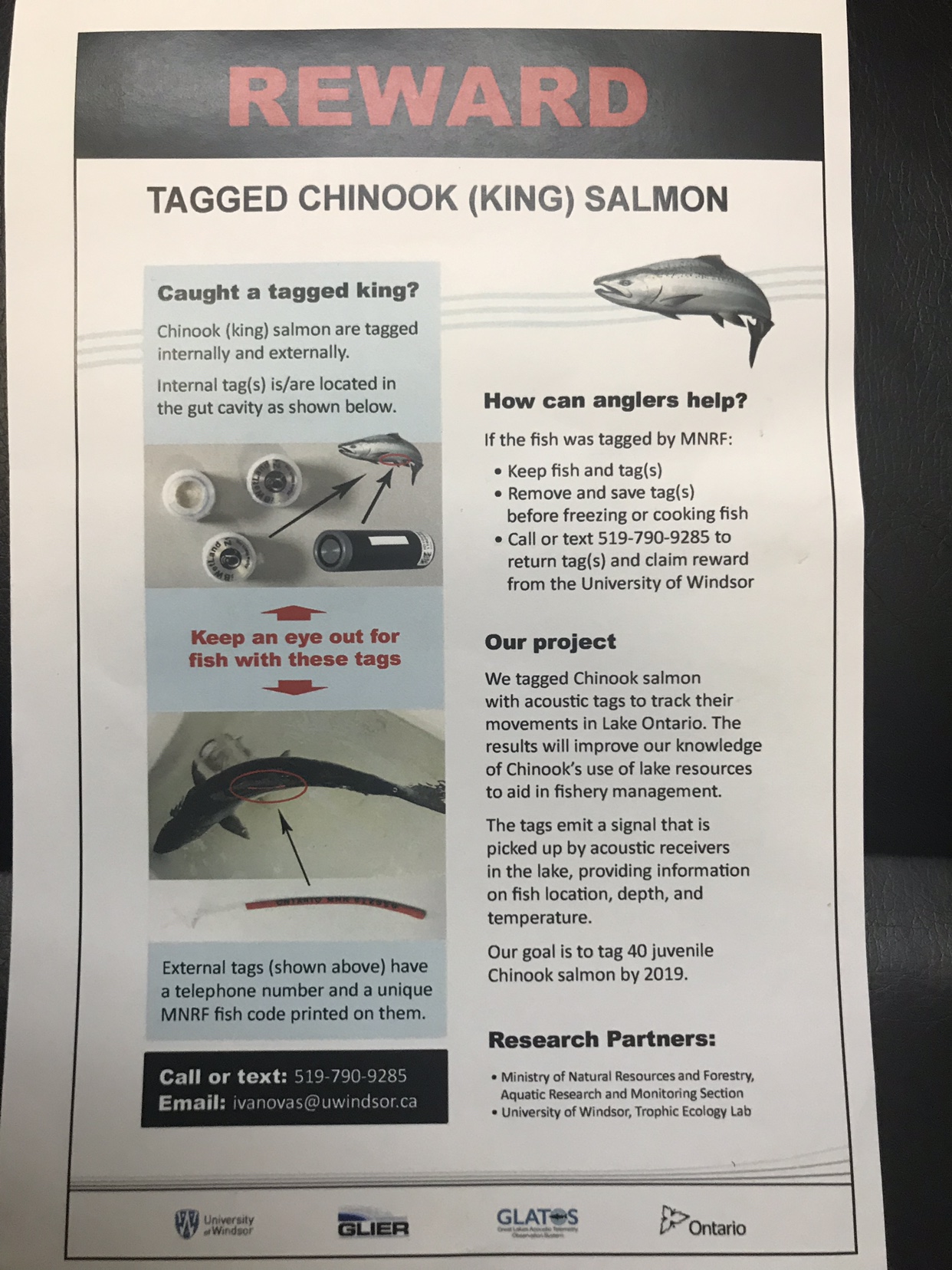 Uhhhhhhh English please... I dont speak Canadian...
 -
Okuma + Copper, Leadcore, and SS Wire Spooling Chart (updated 2026)
Legacy replied to Legacy's topic in Tackle and Techniques
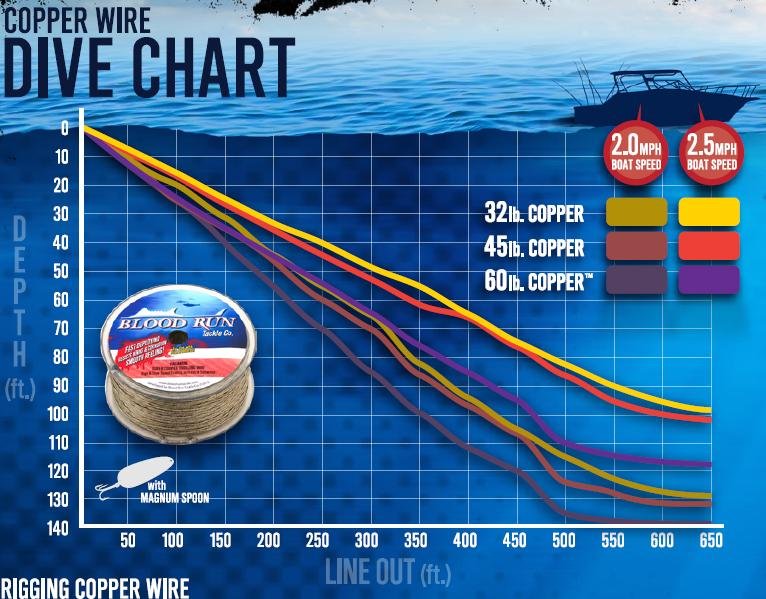 UPDATED!!!
 -
One stop shopping at Blood Run Tackle. They have everything for all your trolling line needs. Mono, copper, leadcore, etc. For me 27# Blood Run Micro Leadcore. Heres a link to leadcore dive chart... https://bloodruntackle.com/leadcore/
-
https://www.youtube.com/channel/UC1R1OMjbmGY0wA3OIGT5dKQ
-
wire vs Copper
Legacy replied to leadcore troller's topic in Questions About Trout & Salmon Trolling?
Thank you! Keep a look out for the 2.0 version... Sent from my XT1585 using Lake Ontario United mobile app -
Yes and yes. Definitely on the higher side of trolling speedometer! Sent from my XT1585 using Lake Ontario United mobile app
-
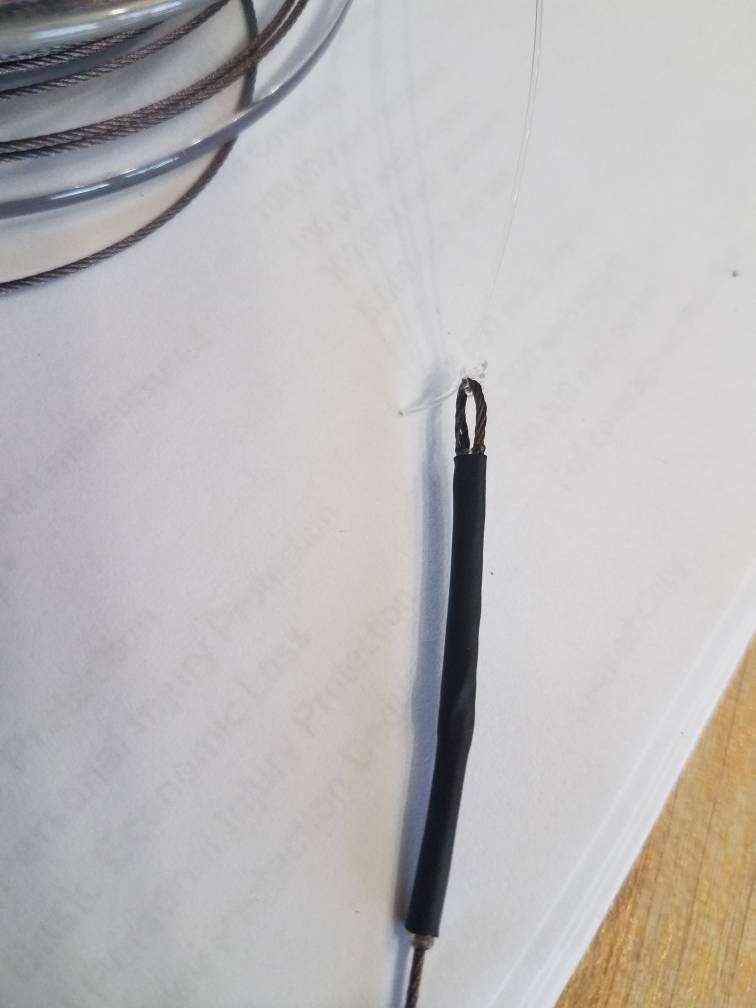 This is it, just a simple overhand knot.
 -
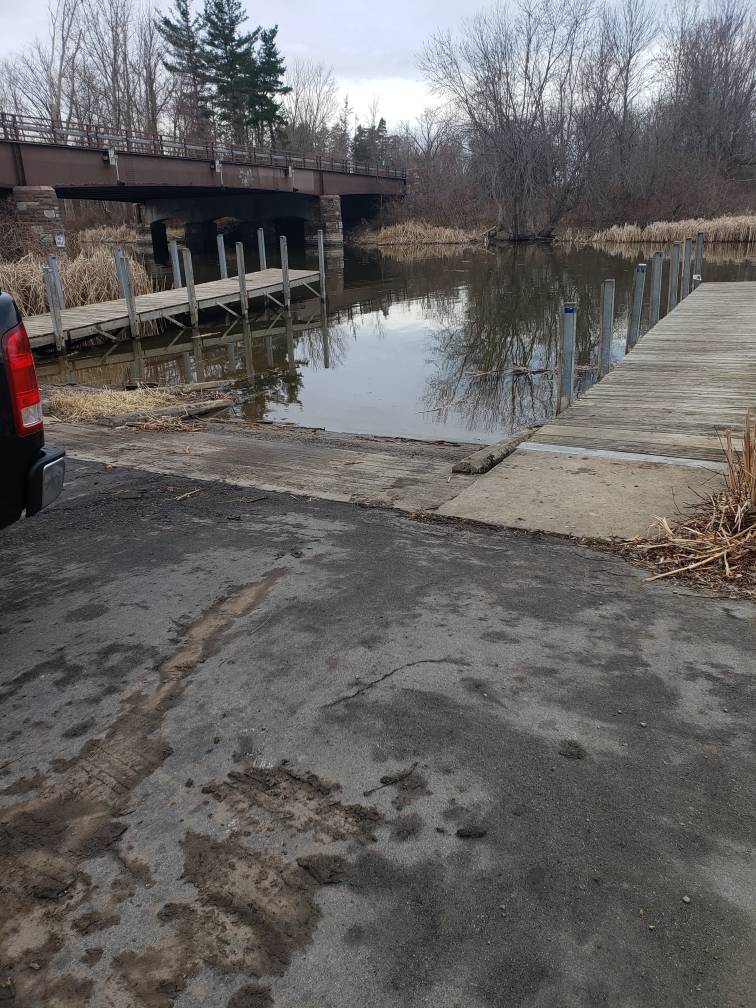 main dock went in on March 28 and they were still working on it late afternoon yesterday.
 -
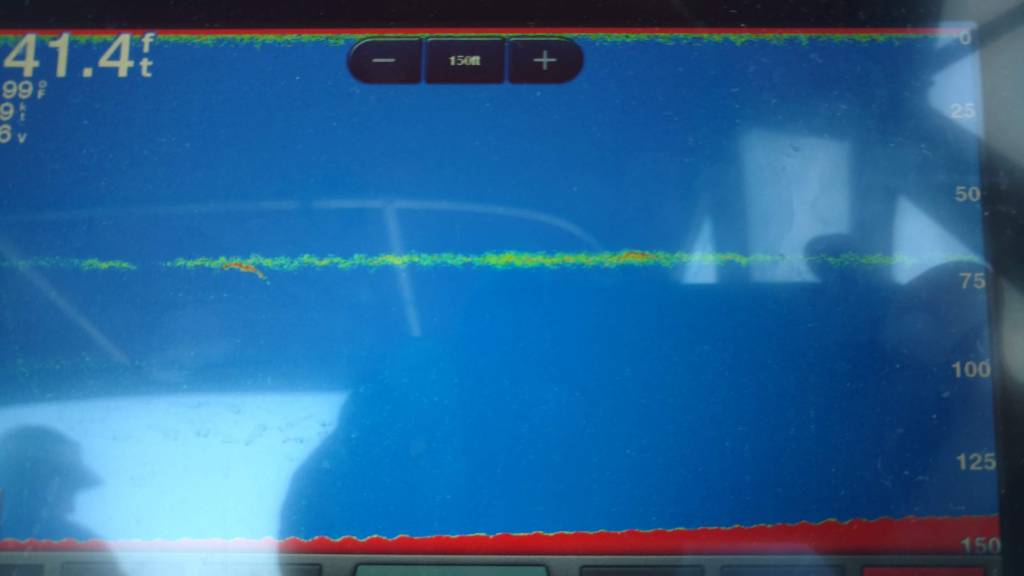 yes the big blobs are bait. You can also see my three downriggers dragging through.
 -
Here's some screen shots for you!
-
Weights for spring browns
Legacy replied to hookedupf7's topic in Questions About Trout & Salmon Trolling?
For spoons I add a couple split shot just to get the spoon sink a bit. Sticks on the other hand have their own dive curve. -
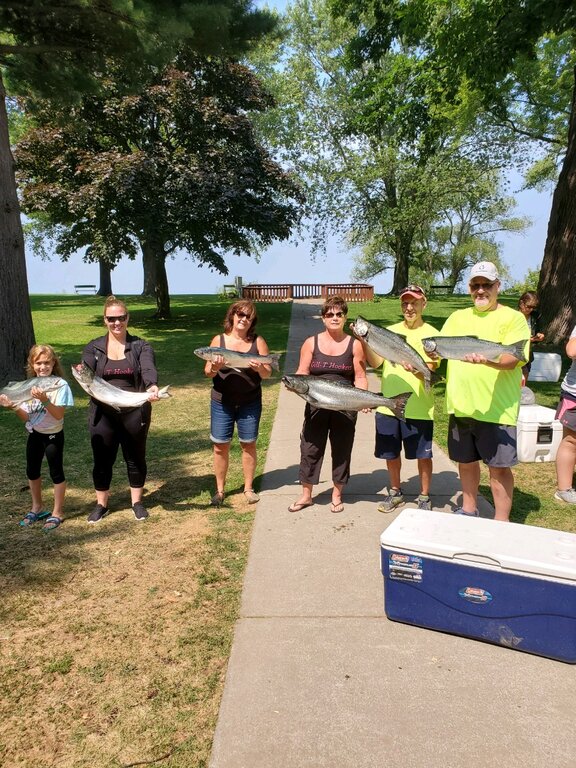 Lets just say they got a taste of my "competitive spirit" when we fished the event for the first time in 2017. They know whats expected of them. All it took was one event and they were hooked! 2018 they came back with a goal to bring home the trophy and they did! Look out, they will be back again in 2019 to defend their title!!! 2018 2017
 -
-
So shouldnt a 10 color be classified as a long line? 2x 5 colors get my vote with 2x 3 colors close behind.
-
Team Legacy Ladies will be there again!
-
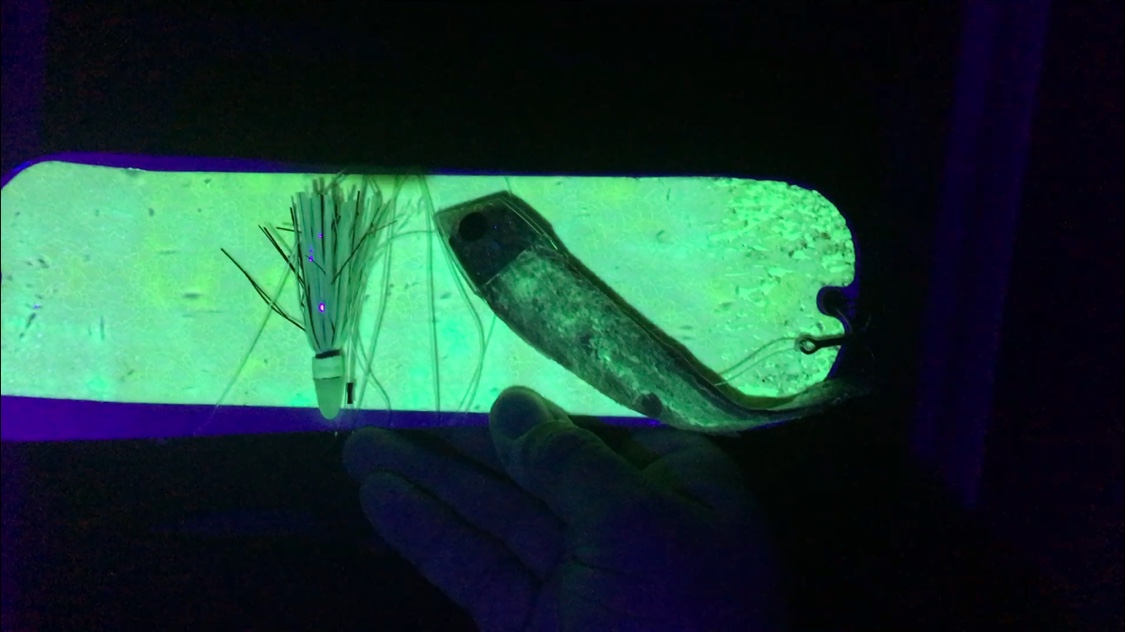 Probably the biggest learning curve and most complicated setups that we run on Lake O! Its not easy to run right, its messy, expensive but meat catches fish! Cutbait sees more experimentation than everything else combined on my boat throughout the year. Lots and lots of different opinions on running cutbait and lots and lots of secrets. Whether its leader lengths or flashers or baitheads, there are a lot of companies making good rigs. Literally anything that you would put a fly behind is good enough to put me behind. Spin Doctors, paddles, whip flashers all catch fish at the right time. Typically meat fishing is slower than normal but the important thing is to make sure to speed tune everything you put in the water.
 -
Im using the Okuma White Diamond (model # WD-DR-862M). They are 8'6" and medium action. Great rod for heavy mono and flasher fishing.
-
Salmon genetics - something to think about
Legacy replied to Morgan-E's topic in Open Lake Discussion
Salmon are shrinking and it shows in their genes Date: November 14, 2018 Source: University of Helsinki Summary: Male salmon are maturing earlier and becoming smaller, and it shows in their genes. This was the discovery of a study that examined scale samples from salmon over a 40-year period, and looked at the population genetic profile of a gene that determines salmon's age of maturity and size. The results show that the 'big salmon gene version' has become rarer in the population over time, and has been replaced by the 'small salmon gene version'. Share: FULL STORY Male salmon are maturing earlier and becoming smaller, and it shows in their genes. This was the discovery of a study that examined scale samples from salmon in the River Teno in Northern Finland over a 40-year period, and looked at the population genetic profile of a gene that determines salmon's age of maturity and size. The results show that the 'big salmon gene version' has become rarer in the population over time, and has been replaced by the 'small salmon gene version'. The study, conducted by scientists from the University of Helsinki in co-operation with Natural Resources Institute Finland and the University of Turku, was published in the journal Nature Ecology and Evolution and was featured on the magazine's November issue's cover. Previous work by the consortium has shown that the age at which salmon mature is getting younger, and consequently also the size of salmon that are spawning is getting smaller. They also identified a single gene Vgll3 that has a large influence in determining the age at which salmon reach sexual maturity. They identified two forms or alleles of the gene that appear to signal to the salmon to either mature later at a larger size or mature earlier at a smaller size. The later salmon mature, the bigger they grow. "We knew from our earlier research that the age at maturity had been decreasing over this period. Now we wanted to see if there were signs of this also at the genetic level, that is, whether it was an evolutionary change," professor Craig Primmer from the Faculty of Biological and Environmental Sciences at the University of Helsinki explains. "Basically, if we see that 'salmon are shrinking', we can't be sure if it is evolution. For that, we need to know there are also changes in their genes. Now we also have that information, and we can say that we can demonstrate 'evolution in action'." The change in genes indicates that the size decrease is not just a 'plastic' or a temporary change brought on by other factors that do not necessarily require changes in gene sequences, such as changes in hormone levels. Instead the change has an evolutionary basis. Being big is not as much of an advantage to salmon as it used to be, and the salmon are adapting to this new reality. "This is another example de-bunking the myth that evolution takes millions of years," said Yann Czorlich, the first author of the study from the Natural Resources Institute Finland and the University of Turku. "On the one hand, this can be considered a good thing seeing it means there is hope for salmon to adapt to their changed conditions. But on the other, it's bad news for anglers want to catch big salmon and join the '20 kilogram club' as there may be fewer big salmon in the future unless we can identify and halt the factors causing their decline." As a part of his PhD studies, Czorlich is preparing to address the reasons for why salmon might benefit from being smaller in a future paper, but one theory is that salmon today are more likely to die during their time at sea either because of fishing or other reasons, and would thus benefit from returning to the rivers to spawn sooner rather than later. The scale samples used for the study came from a long-term scale archive maintained by the Natural Resources Institute Finland. The archive keeps samples from more than 150,000 salmon individuals collected by volunteer fishermen since the 1970's from River Teno, one of the most prolific salmon rivers in Europe. The scales were then used to determine the age structure of the salmon population. They were also the source of DNA for genetic analysis