

Sk8man
-
Posts
13,929 -
Joined
-
Last visited
Content Type
Profiles
Forums
Events
Gallery
Store
Everything posted by Sk8man
-
Canandaigua Canandaigua Lake Trout Derby 2019
Sk8man replied to Sk8man's topic in Finger Lakes Discussion
-
Canandaigua Canandaigua Lake Trout Derby 2019
Sk8man replied to Sk8man's topic in Finger Lakes Discussion
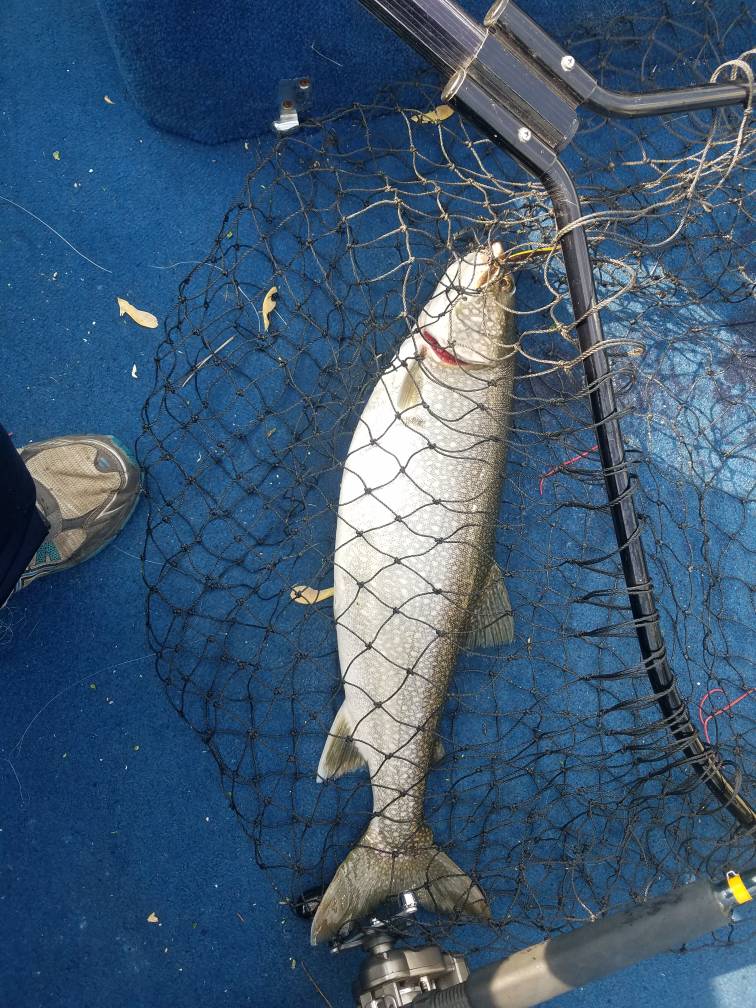
Last night while having a victory drink Bob said " If Canandaigua was the only lake I could fish on I wouldn't even own a boat" The launch ramps at both ends of the lake were a total fiasco yesterday. -
 Nicely handled.
 -
Congratulations to Bob and Bob my long time fishing buddies They pulled off an 11th hour victory under less than optimal conditions while the rest of us were getting off the lake because of the wind and trouble controlling our setups etc. Once again the lesson: perseverance pays off
-
Thanks for the heads up Mark. A lot of crazy and dangerous stuff goes on out on these lakes so maybe folks should think about the safety benefits and the fact that these regulations are based on logic and common sense which not everyone has out there. I saw a couple things just today on Canandaigua that could have resulted in perssonal injury and more (e.g. cigar boat showing off at the ramp, kids sitting on the bow of the boat going full blast with no PFD). Many times fishing at night on Honeoye I have witnessed numerous boats traveling at high speed without lights whooping and hollering and clinking bottles and cans We should be supporting the police in their efforts rather than complaining about logical boating requirements. The state police aren't Cuomo's money grabbing cronies they are just folks doing their jobs. As fisherpersons out there we have the responsibility to serve as good examples for the boating public by adhering to the regs and it doesn't mean we are wimps for doing so since most of us are more than casual boaters and should know enough to have the required equipment on our boats.It isn't some unreasonable requirement. There are people out there that have no business driving a boat and they present a danger to all of us.
-
 Nice going Sean.
 -
Sean you have a PM
-
 Here is what they sent me stix. I think they could have done a better job on the details FDpamplet2019.pdf
 -
I'm assuming you are talking lakers on Keuka with the "match the hatch" question. The phrase is a little more appropriate to stream fishing and flyfishing in particular. It does fit this situation iin the sense that if they are feeding on small perch using something that color or size may entice them ,but Keuka is in trouble right now and way out of balance in terms of available sawbellies or smelt, and that is why the lakers are going after the perch more than normal. They are very desperate for food and some even appear malnourished (very slender bodies with disproportionately large appearing head). Lakers are opportunists and will skarf up on nearly anything available even under "normal" conditions. They haven't forgotten what sawbellies look like . The task is to locate active feeding fish and there are a lot of them out there but their size may be "stunted" these days from the past times. Rainbows, browns and landlocks are no longer plentiful out there.
-
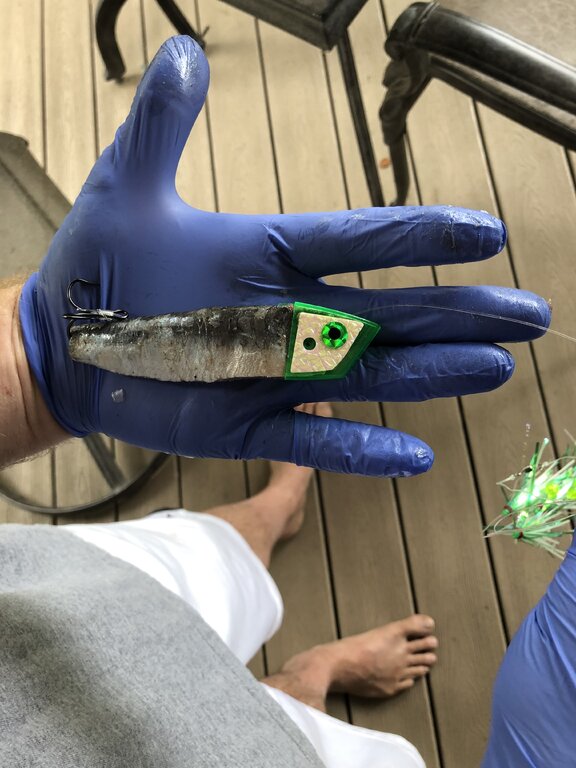 A lot of what goes on with meat rigs may be relatively independent of the species of the bait itself. Much of the effectiveness comes from (and depends on) the action of the bait in the water. Whatever is used should be fairy stiff so it can twirl or spin properly behind the attractor. Just a suggestion to try would be to use prepared shad that comes in a package and is sold in a number of stores besides baitshops (e.g. Walmart or Runnings). These prepared baits have the required stiffness although you may have to make adjustments to fit them in the meat head (e.g. take the head of the bait off etc.) but they do work and are much less expensive than the brined herring. My hunch is that the sardines may be too soft ( as they are a relatively soft fish anyway) to hold up in the meat heads but I'm not sure of that. Live sardines are used as bait in salt water.
 -
 WTG Keith I'll be at the Eastham/Orleans area for two weeks at the end of June and hope for some striper action out aways
 -
 All I know is "GT Company" Geneva N.Y. I believe this was probably before the American Company was even founded.
 -
Here are some examples. They are from around 1900 or thereabouts and were used by my grandfather on Seneca. Note the old style swivels on four of them. The hooks were either soldered on or riveted back then, and on some hooks were fastened to the interior area of the lures
-
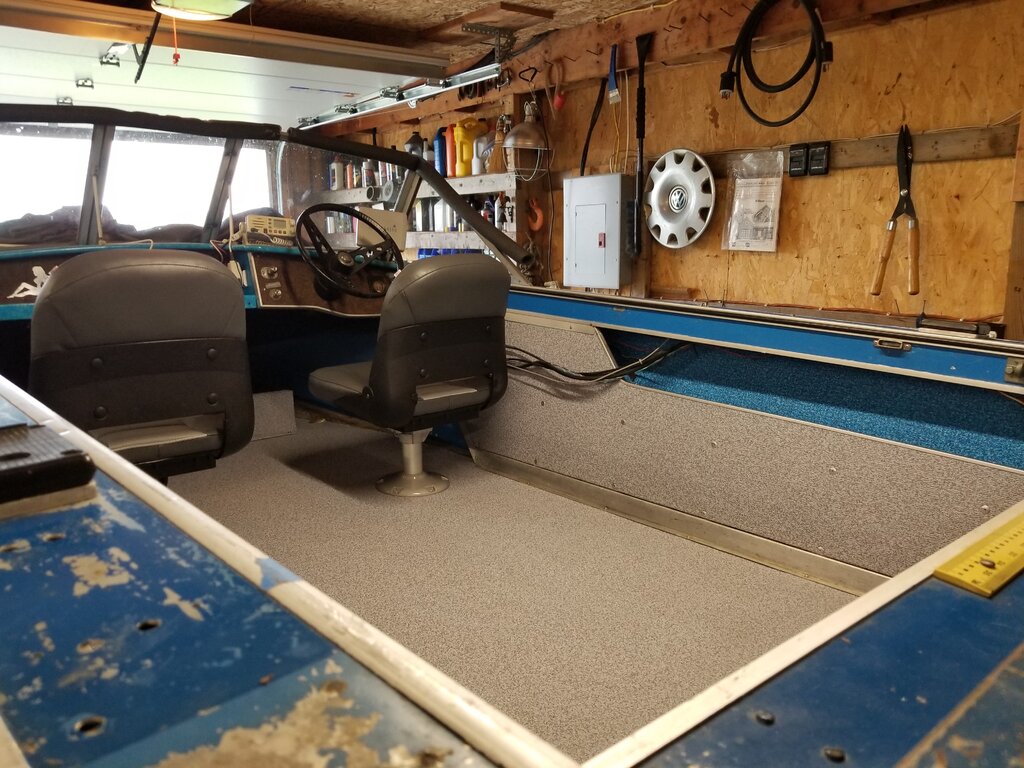 sstout - incredible job! very professional looking as well as functional
 -
2 lb You obviously know what you are doing. When I post stuff here it is aimed to the wider audience that may be wondering about things, maybe totally unfamiliar with them, or perhaps thinking about trying things out so my suggestions are intended to help shorten the learning curve so they may not have to spend the years trying to figure this stuff out like I did
-
Cool setup Something to note is that it is best with heavier spoons by either tying the lure directly to the wire with a loop and hay wire twist, or with the swivel because it is direct metal contact which helps to feel what is going on down below with the spoon. Both methods have slightly different action of the spoon. One advantage of the loop and haywire twist is that it can keep the spoon with the hook upright so it doesn't snag bottom as easily but it can also depend on the particular spoon you are using. Note also the position of the hook on the spoon. The spoon is designed so that the hook rides upward with the spoon on its back when contacting bottom.
-
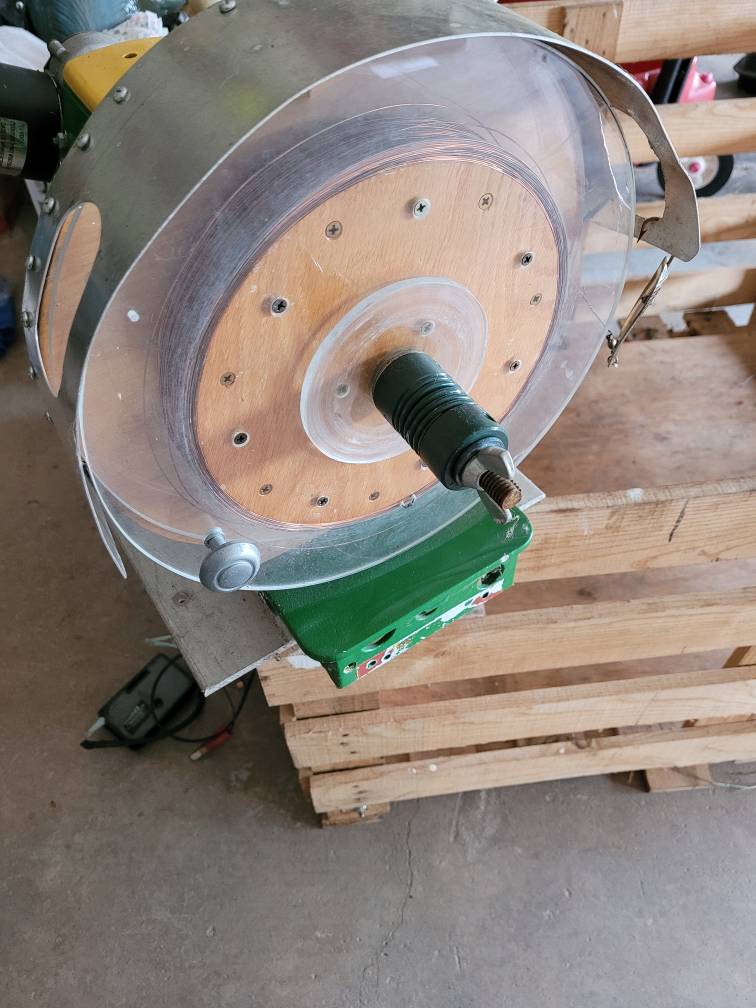
Although it can be done by the coiling in the bottom of the boat that method may not be the first or best to try with more than yourself and very few objects in the bottom of boat for starters. In the old days it was done that way pretty much out of necessity and often with a lot of swearing accompanying it. My grandfather fished that way for lakers on Seneca back in the early 1900's out of a rowboat no less.with the old Geneva and Sutton spoons. The easiest modern method is to use either a victrola or an A and S automatic (spring loaded) reel. A drawback to the A and S is that it doesn't hold as much wire as a victrola but it is more compact and works well in 100 ft or less water. The spring in the A &S isn't as strong as most victrolas so the slack wire take-up can be a lot slower. Some victrolas have multiple springs (or strong singles) and others are even motorized so careful where your fingers are placed.
-
Good advice. The tension of the arm is factory set so as Brian said it still needs to be able to slide if necessary with the tension set.
-
Downrigger balls
Sk8man replied to allaboutfishing13's topic in Questions About Trout & Salmon Trolling?
Harvey Ohara makes some real good ones. I'll send each of you his number. He is also on LOU (Troutman87) -
Just an FYI - It is not great operating your transducer out of water. You may be getting a very strong bounce back signal through the transducer into the unit too.I'm noty saying that is the clicking sound but I'd wait to test on the water.
-
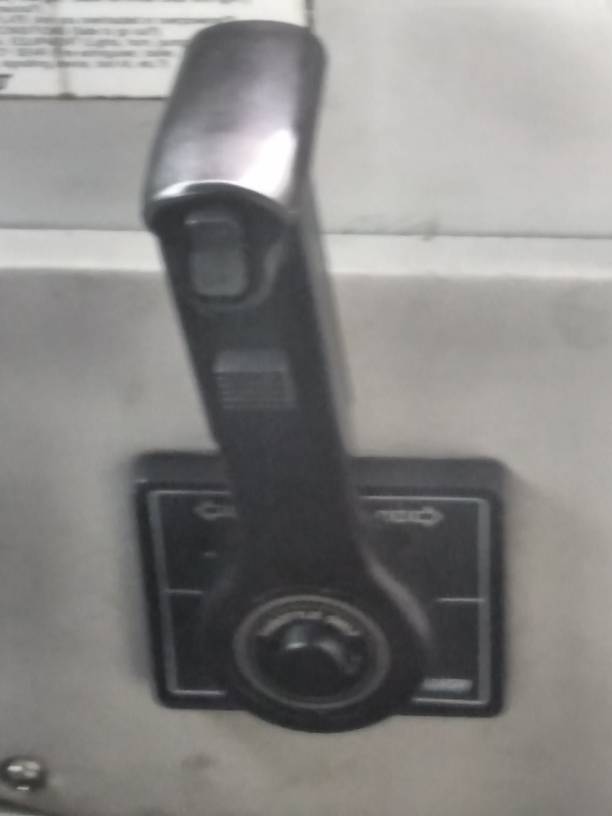 Good going Brian As far as the Canandaigua derby goes Just knowing guys like you and Fishstix are fishing it gives me great cause for concern At this point in life I fully understand that big one is sitting out there with someone's name on it without any "guarantee" Best of luck bud.
 -
I would take Mike up on the offer Matt....great opportunity.
-
thanks for the cudos just trying to help out.
-
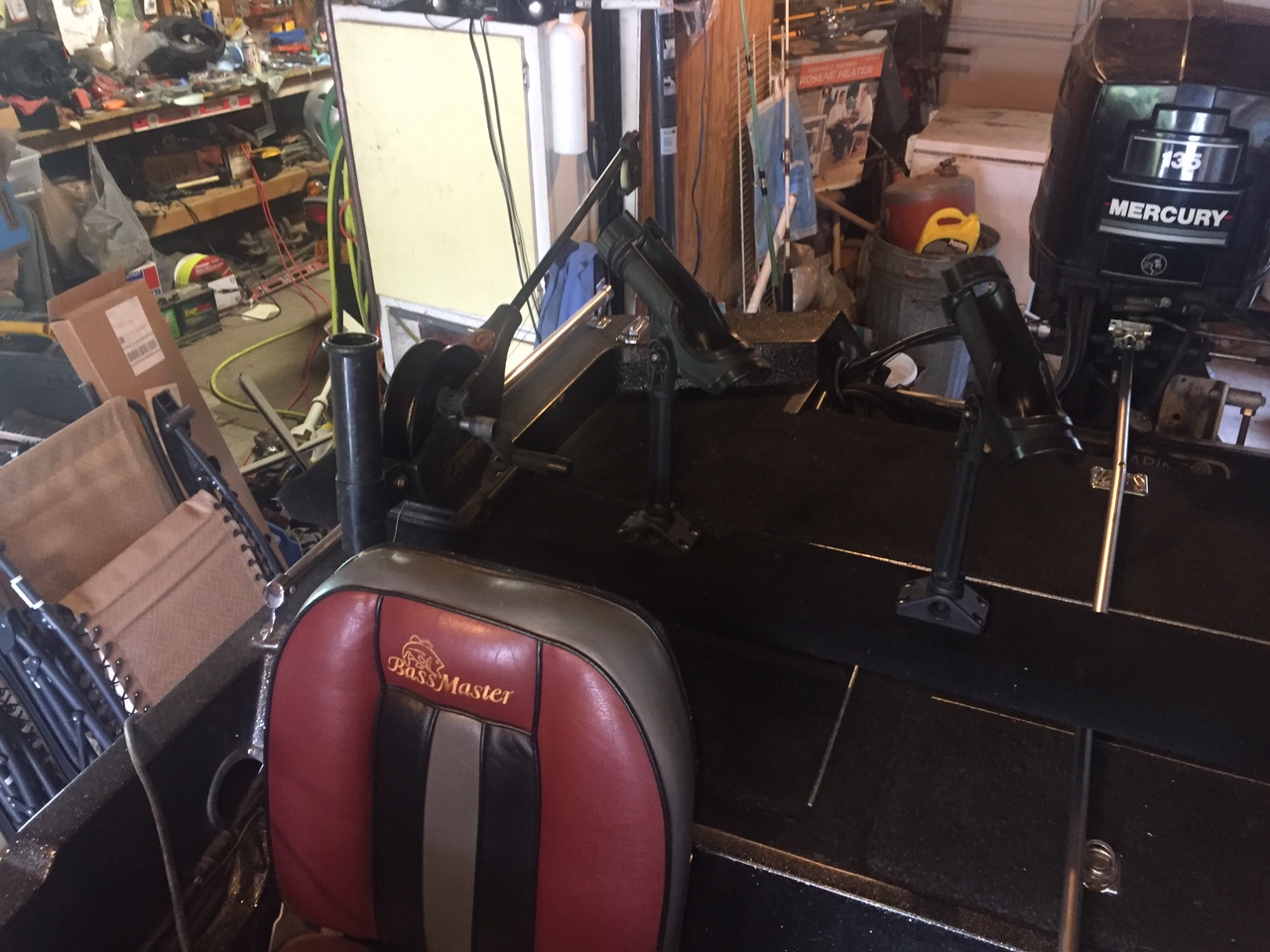 A kicker is a good idea for trolling/safety regardless of the situation and a tiller extension can be real handy when fishing solo to control both direction and speed from inside the boat. I didn't get mine here but this is what I am referring to: https://www.walmart.com/ip/Minn-Kota-Extension-Handle/7966282?athcpid=7966282&athpgid=athenaItemPage&athcgid=null&athznid=PWVUB&athieid=v0&athstid=CS020&athguid=21dd6e5b-5b4-16b0e85d9e394a&athena=true Basically you dispense with the bolt and slide it over the tiller speed control snugly.
 -
Matt take Steve's advice and have him actually show you. Although it is tempting to say that it is easy to pull copper (or jerk it) by someone very experienced with it that does not mean that "easy" is the same as being expert or even successful at it. Jerking copper successfully is really an "art form" when done effectively and there are a number of ways it can be done with good results by experienced people. Although at casual glance it may appear to be just a matter of letting your copper wire into that water and moving your arm or wrist, it actually is a complex set of things that need to be monitored and fine-tuned to make it work effectively and consistently. Someone that has had a great deal of experience in fine tuning can go out there time and again and catch lakers....big lakers. Little nuances of movement combined with maintaining the right boat speed, combined with learning to "feel" the bottom structure is essential. Knowing the trout habits and bottom structure preferences is also important. Being able to discriminate the actual type of bottom is important as is maintaining the proper contact with the lure you are using on that bottom. Selection of the lure itself can be crucial to success. For example using a flatfish or twin minnow is quite different from using a heavy spoon such as a Pfleuger or one of its immitators, and that is different than a Sutton flutter spoon on a leader with a sinker suspended. below it. You have to be constantly assessing how much to let out to maintain the "tick tick" feel of the particular bottom you are going over and exactly what the particular lure you are using is doing down there and whether your boat speed is right. The exact motions with your arm or wrist makes all the difference in success and two people on the same boat with everything the same can and do have very different results because of it. All it takes is one instance of hanging up on bottom for giving you an appreciation for wearing a leather glove or cut out glove fingers on the hand used for pulling because under the wrong circumstances you could lose a finger. Of all the techniques in fishing this is the one that it is most critical to learn from demonstration by someone who know what they are doing. Matt here is an example of the lures I'm talking about: