


TyeeTanic
-
Posts
1,560 -
Joined
-
Last visited
Content Type
Profiles
Forums
Events
Gallery
Store
Everything posted by TyeeTanic
-
 Light on the drags. You should be able to pull easily and get line off. By the way, is your leadcore off boards?
 -
Mag dipsy and large dipsy on same side
TyeeTanic replied to djw13cwru's topic in Questions About Trout & Salmon Trolling?
It is good practice to have the outside dipsey with a longer line out than the inside. It especially helps on turns and sometimes in high surface currently. If currents are deep and varying, that can play havoc, but that goes with any line include riggers. We had a starboard paddle off the rigger go into the port rigger cable when we were 170 ft of cable out last week. It was nuts. -
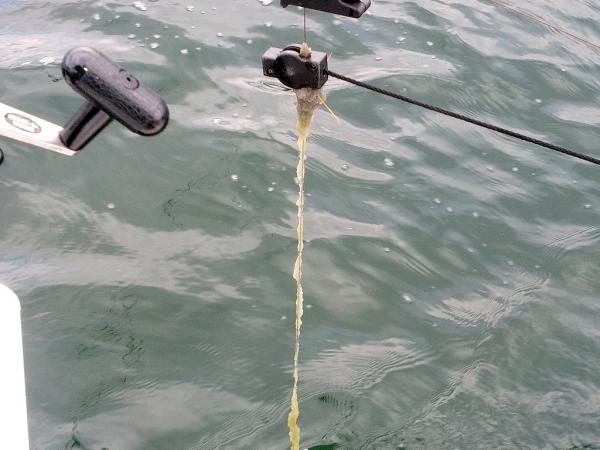 Use this knot: http://www.lotsa.org/Wire%20Line%20Knot.htm However, do step 3, 4 then 1 and 2. It's easier to tie the overhand knot first before the swivel gets in the way.
 -
Other issues that can cause this, but you probably already know: - are you powering the head unit directly from your 12V battery? Is it a clean connection (not taking off power to any other users from this, or not off a distribution bus or switch panel)? Any bad ground will cause interference, unless you have a clean, dedicated cable from the battery to the head unit. - how have you run your power supply cable? Is it run close to the power cable to the engine? At certain engine frequencies, power to or from the engine can interfere with other power cables. - have you used the right power cable? 14 gauge (16 min, but you need to check distances). Correctly insulated cable, marine grade? Too small of a wire will heat up due to resistance, especially over long runs. Also poor quality cable is not shielded as well, so it can increase level of interference from other power consumers or sources. - what kind of interference are you talking about? Lots of color at the top of the screen (prop wash) or dots and dashes everywhere (electrical interference). You could try and reduce your sensitivity, but that will also reduce the fish you see.
-
I've always used 7 strand and never had a break off on the wire since I spooled 4 years ago. I would say it's pretty tough. The 19 strand is good to, my fishing partner only uses that version (we are both stubborn). I wouldn't be overly concerned about 7 strand. Sure the 19 is more flexible, but 7 strand is also flexible enough, and the strands are thicker wire, so they don't break as easy. 19 strand wire can get the individual strands breaking easier. Probably the best feature of the 19 strand is that it doesn't have as much memory as the 7 strand, so it doesn't curl as quickly. I find with both the 7 and 19 strand it's a matter of how you treat the wire. Keep it tight, avoid pig tails, cut off when you start seeing curling. Curling will happen on both (sooner on the 7 strand) in the first 5 ft of the line, primarily due to spinning of the SD (even with spro BB swivels), especially when fleas accumulate on knots. When you see this, just cut it off and reterminate. Takes 5 minutes, not even.
-
Wanted WANTED: Talora Rod Butt Cap
TyeeTanic posted a topic in Classifieds - Buy, Sell, Trade or Rent
Hello all. Does anyone have a Shimano Talora Rod End Cap that they can part with? It's the foam cap that covers the hard plastic gimbel end of the rod (end that goes into rod holder). Any end cap will do as they are all the same size. A guest donated one of mine to Lake Ontario this week. I need them to protect my seats from shafing. Would really appreciate it if someone has a spare one that I can purchase. Please PM me if you have one available. Thanks. -
I think 300 ft will get you between 90 and 100 ft at the speeds we travel 2.6 to 2.7 mph. Of course speed is important. If you go 2 mph or less, you could easily hit +100ft with that much line out.
-
I believe it's time to buy new downrigger rods What Brand?
TyeeTanic replied to Patriot's topic in Open Lake Discussion
Taloras are not wimpy rods. For riggers you want that flex in order to load up the rod, right down to the water line. Too stiff a rod, and when the line pops off the clip, it's worse for the slack created. -
Someone must have reset the line counter. I agree you will never hit 100 ft depth with only 150 ft of line out at 2.5 mph. You would be lucky to be 50 ft deep on a 2.5 setting. If it was a big fish there should have been some variability in the line coming off the rod. If it was bottom it would have come out steady at boat speed. Feels like a fish at first and then you realize the reel is peeling out line at a very, very steady rate. It could have also been a tangle on underwater debris, slightly suspended, like an old buoy line.
-
Tyee = 30 lbs. But to really stick to the definition of catching a Tyee, you have to obey the rules: http://www.tyeeclub.org/regulations/ Let me summarize: - 6 to 9 ft rod - max 20 lb test line - boat cannot be motorized - single hook - reel with no clutch mechanism (ex. mooching reel) The standards to qualify as a Tyee catch are much more than how much the fish weighs. But, who cares? LOL. If you catch a +30 lb fish, I want to see the picture!! I will gladly tell you that you caught a Tyee.
-
The length if the leader is set so from dipsey to end of hook is the same length as your rod. Helps Bring fish in and any longer you will have to hand line the fish in. 30 lb fluoro leader for flies 20 lb fluoro leader for spoons. I would nit use a snubber.
-
Smart.
-
What does the scale measure?
-
But I thought that's pretty much what a thumper rod did. Big weight on a rod, and you look at the angle/action to judge the speed?
-
You mean a thumper rod?
-
Use a 12 oz torpedo diver. They come with dive charts for mono and braid.
-
Don't know if it's already been said above (didn't have time to read everything), but wire dispey probably catches 60 - 70% of my fish. I would buy that setup before anything else.
-
Skipper, do you do this only down the chute? You're not clipping the copper line straight onto a board, are you?
-
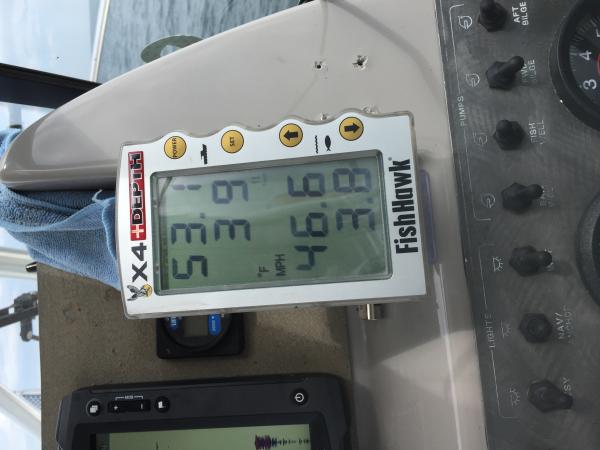 We go 2.7 to 2.8 and get a lot of hits. We try and find 44 to 48F water.
 -
On the HDS you can increase your sensitivity until you see it, but the screen becomes pretty cluttered with a lot of noise. All you are measuring is either a drastic change in water density or scum in the thermocline.
-
Charging your glow spoons and flashers?
TyeeTanic replied to Fishbowl836's topic in Tackle and Techniques
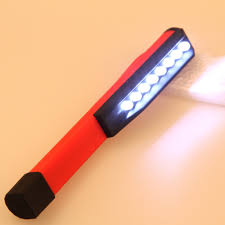 I use an LED work light something like this. http://www.cabletiesandmore.com/images/led-worklight/Gallery/worklight-details.jpg It has a large surface area to cover the spoon/fly/flasher. It's super bright and charges fast. ... and the best thing is it only cost me like $8 or $9 and came with batteries. It's probably the best thing I've come across for charging glowing baits.
 -
Fluorocarbon and flashers
TyeeTanic replied to GeckoGuy's topic in Questions About Trout & Salmon Trolling?
Just to clarify, you are talking on a down rigger, right? If so, yes you can get away with connecting directly to mainline in that instance. However, all my rigger rods are already setup with 10 ft fluoro leads and I don't want to take them off, so if I do use a flasher/fly on the rigger, then I just connect the rod up with the leader on it. But you don't need the leader. -
4 lbs, BBQ size. Cedar plank and you're all set.
-
 Or they can avoid a Collison. No one has the right to collide with any other vessel of they have the option to not collide.
 -
Great Lakes Lure Maker, We are in violent agreement. Read the second half of my post under the "-----------" the headers Rules 8 and 13 is where the SAIL BOATER broke the rules. Rule 8 applies to everyone, even the person who is about to get hit by another negligent rule breaking boater. In my post I was merely saying that because he was going faster doesn't mean the power boat has right of way. For instance if he was going faster and coming from your port side, he still has right of way. The fact that the sail boat was OVERTAKING is the reason he is the give-way vessel. He could slow down (say due to wind) and go slower than you, it does not change the fact that he is still the over-taking vessel until he has passed (or falls back to a safe position). Anyhow, we are both saying the same thing, different ways.