

Sk8man
-
Posts
13,929 -
Joined
-
Last visited
Content Type
Profiles
Forums
Events
Gallery
Store
Everything posted by Sk8man
-
I fished right through winters on Seneca for about 20 years with my previous boat (outboard) just have to make sure to thoroughly drain it each time afterward (right at the ramp).I also kept the lower unit is a completely downward position and kept a garbage bag over the prop with a bungi cord
-
Tieing 7 strand mason wire.
Sk8man replied to Fishstix's topic in Questions About Trout & Salmon Trolling?
.jpg.ab1100323573c903401f02b7da47a069.jpg) Cmon Stan.....blow some of the dust off that wallet and let some of the bats escape, and spring for new wire You already have about half a million wrapped up in those rods and reels not to mention lures
Cmon Stan.....blow some of the dust off that wallet and let some of the bats escape, and spring for new wire You already have about half a million wrapped up in those rods and reels not to mention lures -
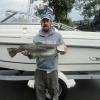
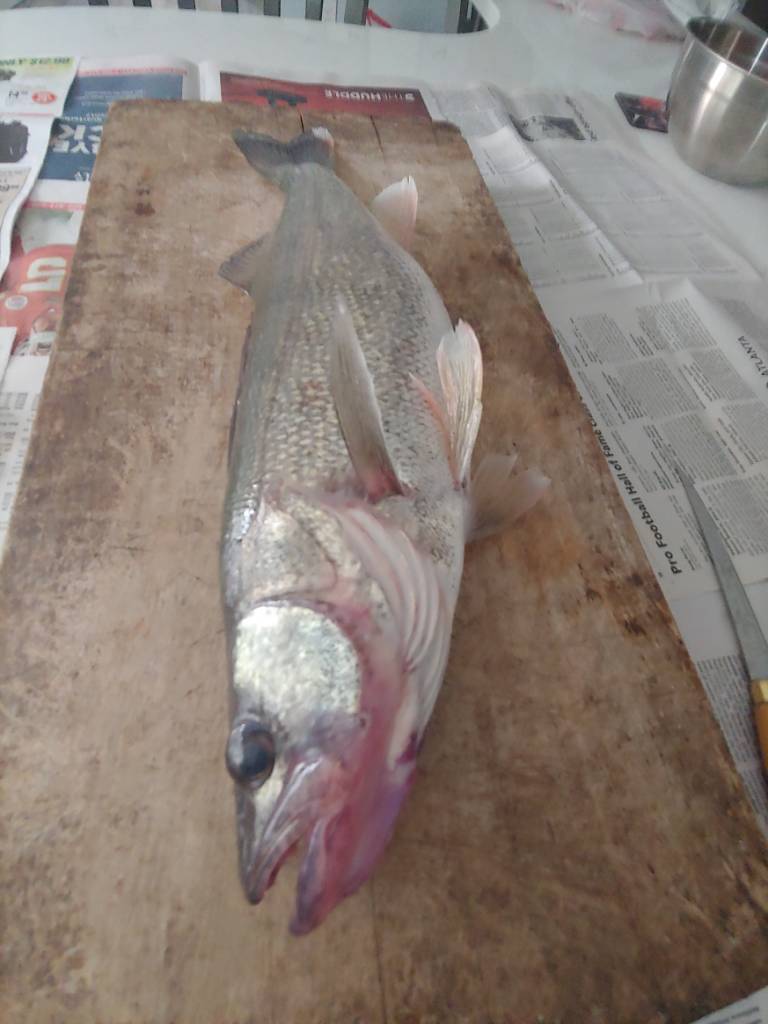 Good going Johnny. It doesn't get any better eating than those guys
- 1 reply
-
- 1
-

-
What Weight Downrigger Balls
Sk8man replied to Chi-cong's topic in Questions About Trout & Salmon Trolling?
Chichong- Lets return to your original question. Many of us use 10-20 lb weights of various shapes - each of these shapes influences the movement and path of the rigger weight. The primary concern of most folks is to minimize "blowback" (of which the angle of the downrigger is an indicator) such that the position of the weight corresponds closely to that which appears on the screen of the depthfinder. At least three different things influence the actual depth that the weight is running underwater: the shape of the weight, the actual weight of it, and the speed at which it is traveling underwater. Another independent factor is underwater current which can dramatically influence the path of the weight. The image on the depthfinder depends on these factors too but as previously described it is the distance from the transducer to the weight which is interpreted on the screen as depth but it is not necessarily straight down depth. After using both 10 and 12 lb weights in the ball shape,fish shape, shark shape, and torpedo shape there isn't as much difference in their performance as people may think at slow speed (e.g. 1.3-1.8), or between 10 and 12 lb weights in most common trolling situations above about 50 ft or so of water depth. It is the displacement of water by the weights as they go deeper that relates to their weight/performance differences, with shape being the most critical variable by far. Shape of the weight probably influences the angle of the wire on the rigger when perpendicular to the water more than the actual weight of it and the displacement (and actual weight underwater) of the weight is not real significant between a 10 and 12 lb weight and unless you have a protractor you probably would not tell the difference. At deeper depths say 100 ft and deeper and higher speeds the differences become more apparent as the angle of the wire extends outward and the weights lift upward. There is more resistance to that lift as the weights are increased in actual weight pulling them downward due to gravity. This view isn't hard rocket science based on hard core research but it is based on over 50 years of downrigger use and observation. If your (newer) downrigger supports the use of heavier 12-20 lb weights (manual or electric versions) it can be beneficial to use them to minimize blowback while trolling. For folks with older electric downriggers some judgment is required as the motors may not be able to withstand that extra weight and can create mechanical and motor retrieve problems as well as weaken wire connections at a terminus (e.g. probe or weight connections). For folks using manual riggers you have to ask whether you wish to be cranking up 16 lb weights all day so compromises may be in order. -
Sometimes it is critical to tune your spoons or sticks, but it is ALWAYS critical to tune the meat rig. Speed can be just about irrelevant if the bait isn't rolling or twirling just right and sometimes you have to play with it to get it right but it is worth the effort. There are also times when a decision has to be made regarding what to run along with it but use the way the meat is running to be the main concern because spoon and stick action varies up and down but if the meat isn't running right it is like dealing with a dead horse in the race
-
What Weight Downrigger Balls
Sk8man replied to Chi-cong's topic in Questions About Trout & Salmon Trolling?
-
What Weight Downrigger Balls
Sk8man replied to Chi-cong's topic in Questions About Trout & Salmon Trolling?
and has a long pencil -
What Weight Downrigger Balls
Sk8man replied to Chi-cong's topic in Questions About Trout & Salmon Trolling?
Depth and distance are two different things. Depth is the distance in a downward direction from a given point. Distance can refer to any number of directions from the originating point. Chinook 35 summed it up very well in his comment. By the way, the shape of the weight matters significantly as he notes in his example. The pancake weights probably have the least accuracy depth-wise because of their shape. They tend to go quite a ways off to the side - especially at higher speeds. The more hydrodynamically the shape (less resistance in the water) the truer the weight tracks through the water which should translate to less blow-back and truer depth display on the depth finder. Similarly the heavier the weight the more it holds the wire in a downward position with shape being held constant. Again the resistance in the water is the critical variable. -
What Weight Downrigger Balls
Sk8man replied to Chi-cong's topic in Questions About Trout & Salmon Trolling?
-
What Weight Downrigger Balls
Sk8man replied to Chi-cong's topic in Questions About Trout & Salmon Trolling?
Just an additional qualification regarding the Lake Ontario environment vs. other smaller bodies of water such as the Finger Lakes relating to downrigger weights and estimates of their placement in the water column: Justin makes a good case for the experience factor and it is a good example to follow. Fishing Lake O is however a somewhat different "animal" regarding underwater currents. and their impact on the weight/blowback issue. In most of the Finger Lakes the current can be quite strong in lakes like Seneca and Cayuga and the smaller lakes usually less so for example, but for the most part the current usually runs either clockwise or counterclockwise around the lake. In Lake Ontario the underwater currents can branch out in many different directions at once such that fishing one area may be very different than another with the changes in current and cross currents coming from multiple directions at once. The effects on actual position of the downrigger weight will vary greatly depending on the actual amount of weight, the shape of the weight, the speed of the boat and the speed or strength of the current and its direction relative to the boat;all of which affect the angle of the downrigger wire which varies while trolling. Once again, no matter how you slice it you are still making "estimates" of the exact location of the weight and lure. To compound it the lure may be in a much different position than the weight depending on boat speed length of lead, and type of lure and with or without attractor etc. The longer the lead the more pronounced this difference may be.The Fishhawk TD use resulted in some interesting revelations. I have seen the difference in the downrigger counter vs.relative depth of weight of 10 lb weight (shark shape) vary as much as 20 ft higher at 100 ft.) and other setups running generally higher than I thought.from chart estimates. -
What Weight Downrigger Balls
Sk8man replied to Chi-cong's topic in Questions About Trout & Salmon Trolling?
Many folks think that in order to catch fish you have to get the weight right at the depth you think they are at. Fish if interested will follow for distances, they will come up or down to look at presentations whether put right in their path or not. Wicked Tuna is one of my favorite shows and I watch intensely how they do things but i also laugh sometimes at the way the marks appear on the display screen and then each fish automatically hits shortly after. As in lake Ontario not every mark is even a targeted fish as there are many species out there. The actual depth of the marks while trolling may be less or more than the symbols on the screen as the fish may be directly under the boats path or off to the side or back at the outer edge of the cone of the transducer. Usually the more pronounced the inverted V shape of the symbol on the screen the more directly under the boat the fish is but not always because the symbol also depends on your boat speed and the relative speed of the fish if moving toward or away and their position in the cone and on and on. The point is most of this stuff is pretty relative just like boat speed comparisons between different boats, and not absolute and there are educated "guestimates" going on - the accuracy of which can be enhanced by experience. Anyone that thinks that they are dealing with absolutes in most cases is fooling their self. -
What Weight Downrigger Balls
Sk8man replied to Chi-cong's topic in Questions About Trout & Salmon Trolling?
Chinook is correct about the depth finder situation, the depth finder doesn't display the exact depth of the weight and neither does the downrigger counter, and insofar as there is a way and I was aware of the chart concept. The problem is that it is still an "estimate" in the practical sense not a precise measure because you have to know the exact angle of the wire and how many folks carry around a large protractor to measure precisely. You'll notice the chart says "Line out" it does not specify wire or wire diameter etc. It also doesn't factor in underwater currents which in the case of Lake Ontario can be strong and can occur from the side which could skew the result. The result from an X4D or a Smartroll probe is still the best "estimate". -
What Weight Downrigger Balls
Sk8man replied to Chi-cong's topic in Questions About Trout & Salmon Trolling?
There really isn't an accurate way to calculate the depth the weight is running at without either a depth finder with sufficient cone angle (still an estimate), Fishhawk TD or X4D, or an accurate counter (still an estimate) because blowback is related to depth, boat speed, downrigger weight and the nefarious culprit underwater current and they all interact to give your actual depth. The angle of the wire can give some clues about boat speed and whether blowback is significant or problematic, however but it also can depend on what you are running on your lines (attractors or not etc.). Rod tips can also be an indication of running too fast or slow with some lures or setups. With that said if you are a mathematics aficianado it probably could be calculated roughly but that is out of my realm -
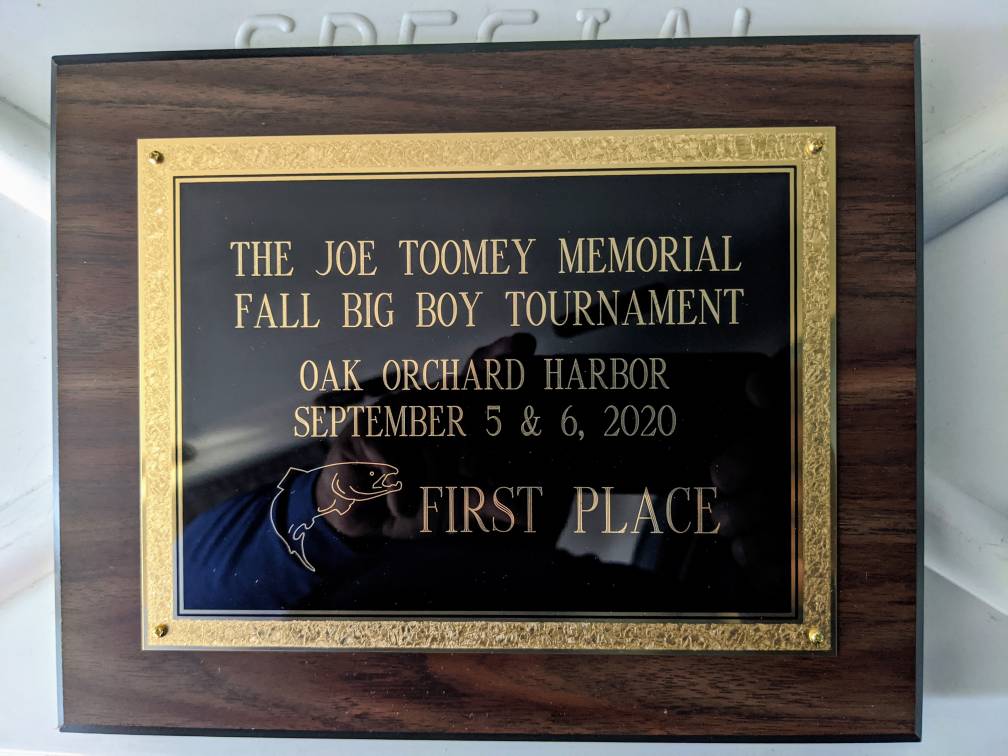 Nice work Rick....another good example of the need to be flexible and think out of the box
 -
 This is exactly the issue and some of it may relate to your particular rod holders too in that the rod may be slipping in the holder (another reason for getting good rod holders) and need to be repositioned and if you either don't detect it or maybe just say screw the repositioning it can do the damage over time. Regardless of the quality of material the roller is made from or the cost of it etcthe wire needs to stay positioned on the roller wheel itself not the side plates. When this is done the friction when reeling in is much less than on a twilli.
 -
Yes and they can (and usually will) get all wound up in your J-plug. By the way Whaler made an excellent point that should not be overlooked. mature salmon will be hitting out of aggression not a feeding response so your strategy has to be modified a bit. Bright colors highly active lures, sometimes close to the weight for greater action. Make sure your hooks are very sharp as their mouths harden up considerably and the males may have beaks or Kypes" which may impede their bite. You are trying in this case to irritate them and stir up their aggressive urges to eliminate competitors or foreign objects from their environment. Their urge to feed is suppressed to non-existant as it gets closer and closer to spawning.
-
Just be aware they go from side especially in current pretty extremely so try to keep them either tight in or as far away as possible from other stuff. They also dive so keep them up a little ways from bottom
-
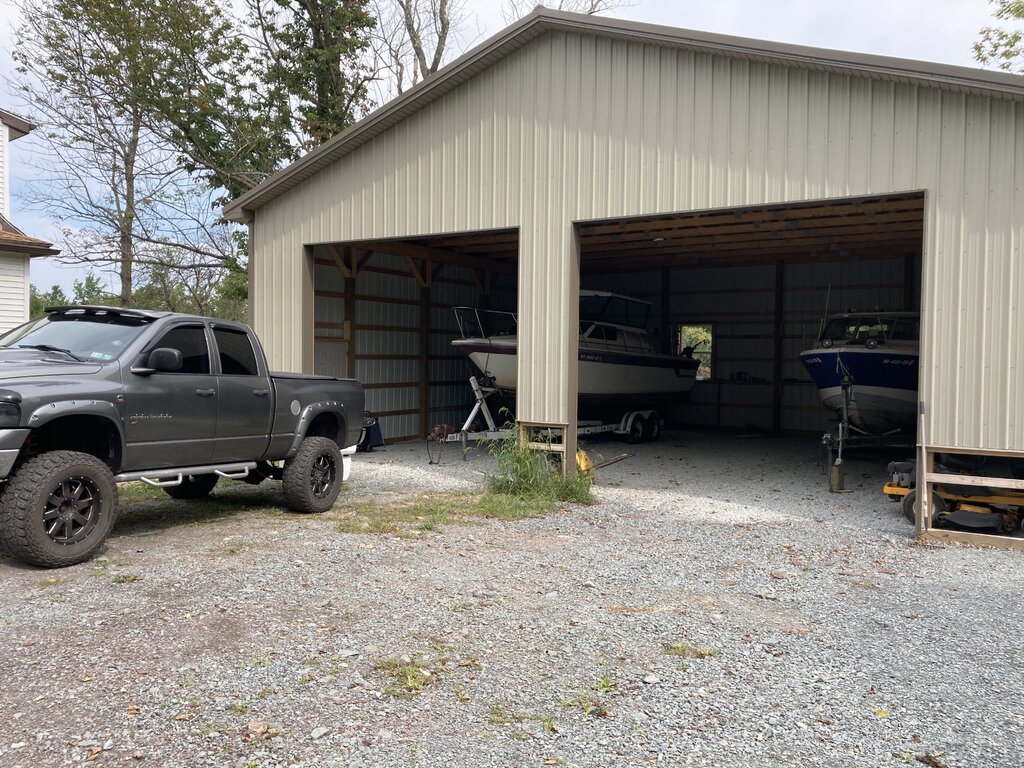 Hachimo - you and Clark are very good additions to LOU and the Lake O scene. i have enjoyed your posts as well as your humor I also wish I had your garage it would match my house real well too in terms of color scheme
 -
Another thing worth mentioning here and that is that the term "expensive" is a very relative term The equipment used oin the salt water environment can cost many times what we are used to. I have seen roller tips priced at over $200 and roller rods at $800-1200 on Cape Cod
-
They are often taken for granted during so-called "normal" times but they are truly the barrier between total chaos and our ability to lead fairly mundane lives. It is a shame that the actions of a few poorly trained officers are generalized to entire police forces and law enforcement doing their job both day to day, and in these adverse circumstances are not appreciated; and especially so in the light of this covid stuff. The fact is that they are insulating most of us from the criminal actions of folks who have their own disruptive agenda and it is not related to "peaceful protest" or even the issues or concerns of those legitimate protestors; they are anarchists, and the looters are "opportunists" not peaceful protestors. Law enforcement needs our full support right now - not cries of "defund the police", Officers not adhering to legitimate practices need to be held fully accountable, and police unions should be held to pay and working conditions issues; not protecting officers that abuse their positions. These problems can be solved by proper training and full accountability at all levels, and society can't "throw the baby out with the bathwater" (e.g defunding of the majority good officers out there).
-
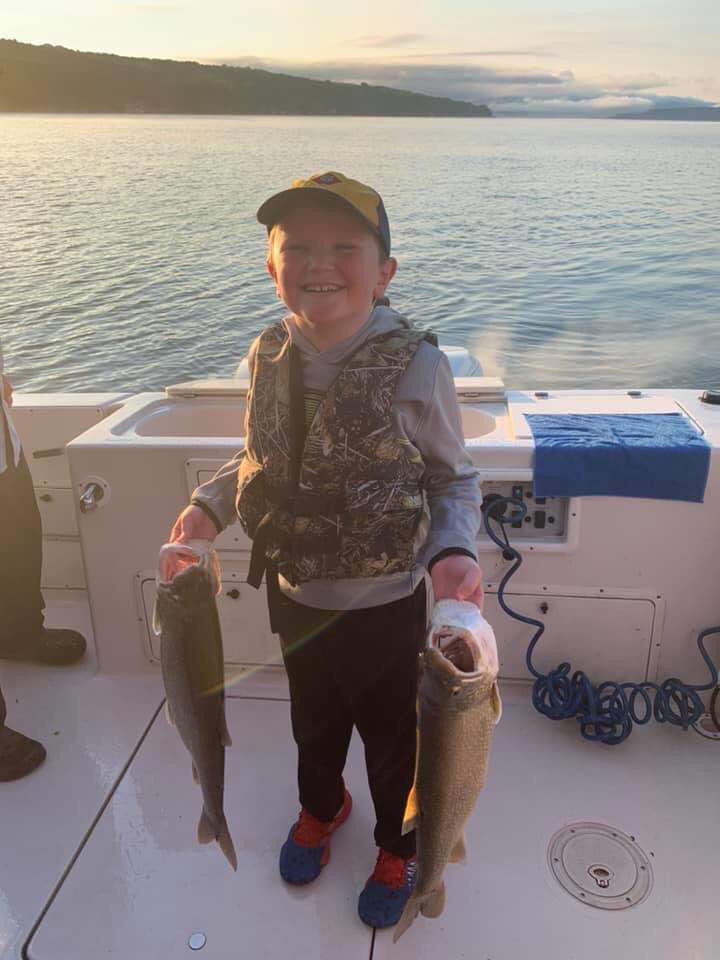 That smile says it all Mark
 -
I think the problem may be one of flea distribution. Folks often seem to assume that the fleas are distributed evenly all over the lake but they probably are in areas of the lake and not in others or are much less dense in some areas than others and this may apply to areas or levels of the water column itself as well so depending on where you troll and at what levels of the water column and how dense the fleas may be in that given area you can either have a severe problem a mild one or none at all. The spiny type water fleas are usually much easier to get off lines but the fishhook type are terribly difficult to get off and they range in color from grey to brown and from the description seem to be what is encountered now. Each type of flea may have a different life cycle with a different timing of the concentrations. That is my suspicion not hard research info
-
I've used rollers for forty some years and Keith is exactly right. The good roller guides and tips are expensive and it seems to be a good example of "you get what you pay for" Many of the cheaper versions have side plates that aren't hardened or are made of soft material (eg. aluminum). Often when trolling rods will shift to the side a bit and the wwire can come off the hardened roller material and nest on the side plate and the wire works back and forth like a saw cutting through the soft material. Good quality roller tips are made of hardened material (e.g. stainless, titanium etc.) which stand up to wear from wire. Twilli's are very inexpensive and made from hardened spring steel which is harder than the wire products so it stands up much better over time. I use both twilli's and hardened rollers on my rods and prefer the feel of the rollers when the wire is being reeled in because it seems to have less friction but I guess you have to determine whether it is really worth it to you Some of the older roller rods used to use hardened roller tips (e.g. Allen brand) and they tend to do a good job with one caveat - the 30 lb wire sometimes slips between the roller and the side plate and wedges there. This is not a problem with heavier gauge wire though as it can't fit in the crevice. Although there is a little nut at the side plate it can't be tightened enough to eliminate the crevice. The pic below is an example of the cuts on cheap roller tips
-
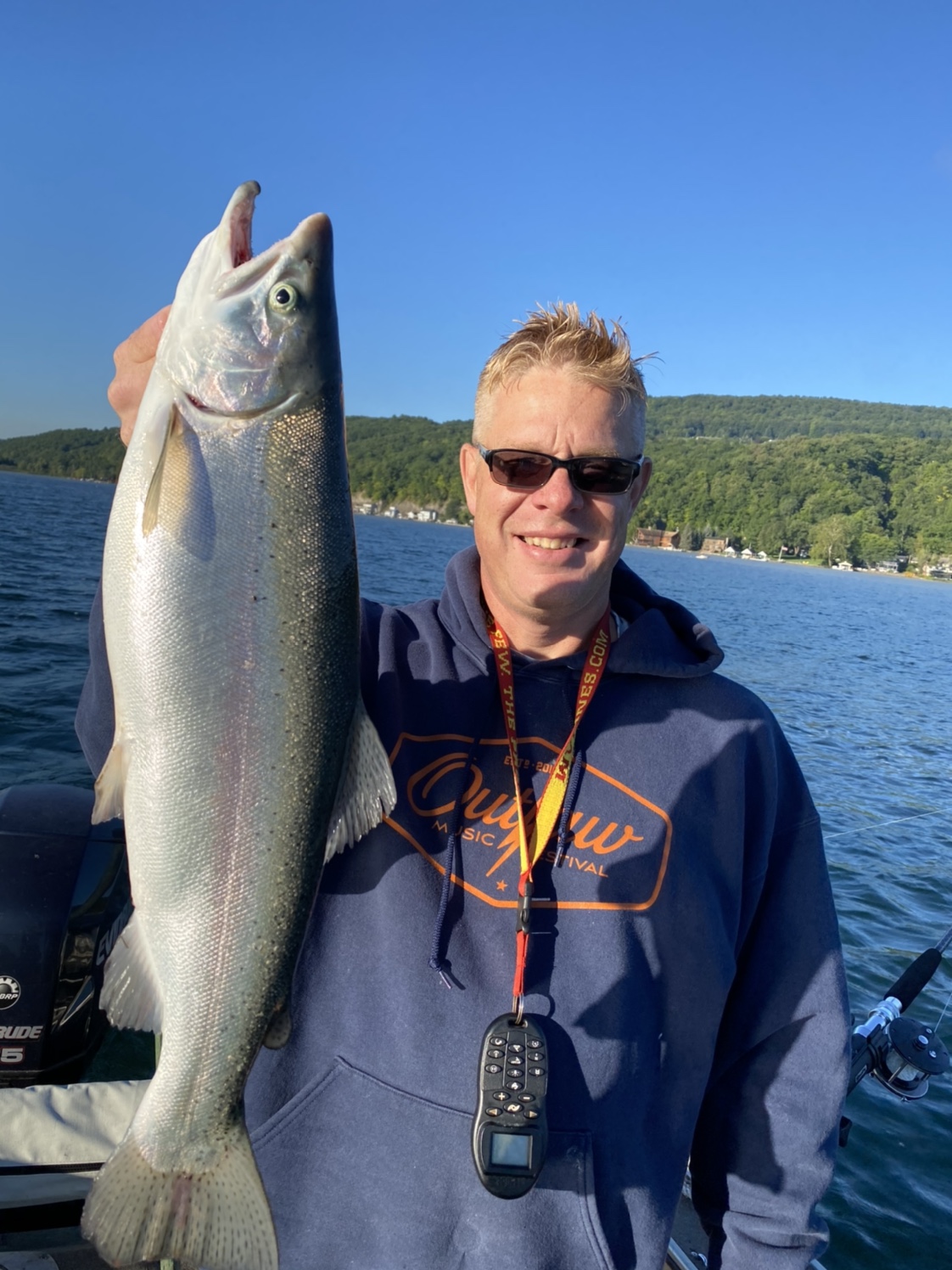 Nice going especially with all the boat traffic etc.
 -
Good luck with it bud.