

Sk8man
-
Posts
13,929 -
Joined
-
Last visited
Content Type
Profiles
Forums
Events
Gallery
Store
Everything posted by Sk8man
-
 https://content.govdelivery.com/accounts/NYSDEC/bulletins/29be970
 -
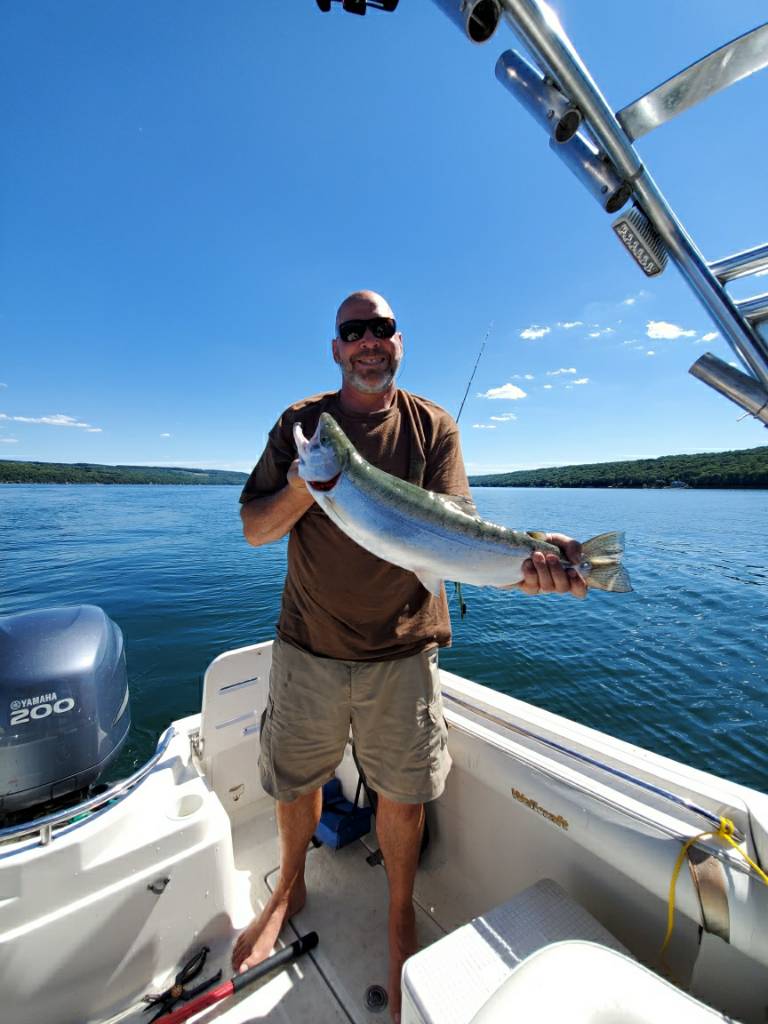 The most critical variable for Lake Trout spawning (occurring from September through December) is the consistency of the lake bottom. They spawn between rock crevices and gravel and broadcast (spread) their eggs rather than building nests like many other species such as rainbow trout (build nests called redds). According to the DEC Lake Trout eggs have been found in water as deep as 200 feet but again the bottom consistency is the critical thing. Some deep water spawning used to occur in the Peach Orchard area of Seneca Lake (east side south toward Watkins) but it was disrupted years ago by the serious flooding which deposited silt in some of the traditional spawning areas. One of the things I wonder about is the impact of the Zebra and Quagga mussels on the Lake Trout (and other species as well) spawning as they cluster in the cracks and encrust rocks and their presence could deter adequate reproduction as the eggs hatch there and early development (aelvins) occurs there as well and the mussels are known to strain out nutrients that small fish feed on (e.g.zooplankton).. In the past the two Mike's and I were well aware of the Rooster Tail laying among the rocks routine
 -
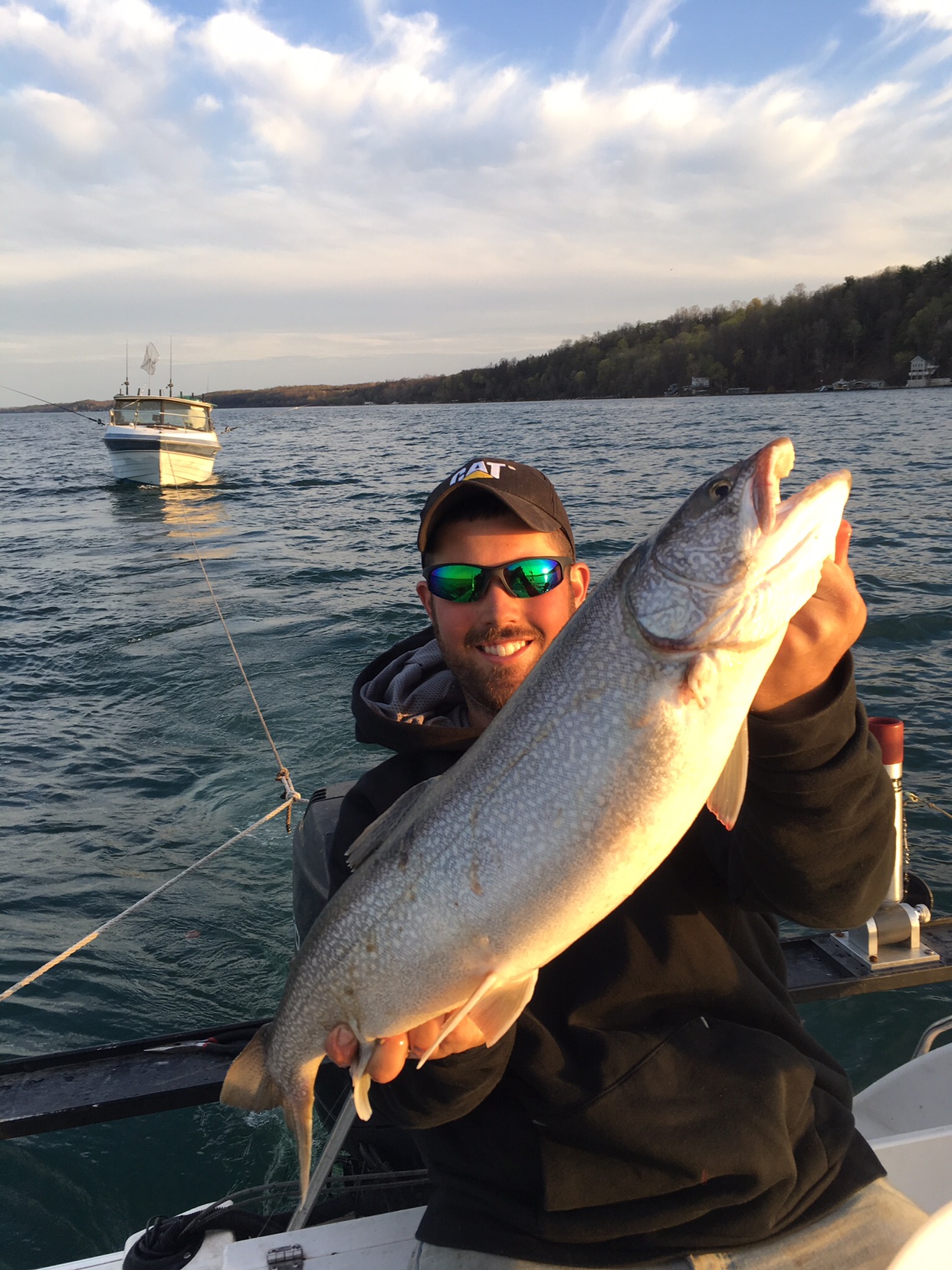 And on the other hand there are some great buddies that stand by you through thick and thin like HOP and Admiral Byrd. Over the last 50 years I have been towed twice. Both circumstances were under adverse conditions and both on Seneca Lake. The first time I was out (solo) south several miles from the north end of the lake and had been out for afternoon/evening troll when my new 35 horse motor on my 13 ft Whaler overheated (bad thermostat) and quit (i had no kicker at the time). I paddled for hours with my one canoe paddle toward the north in a fairly calm lake and then it became dark about nine o'clock and I was within sight of Glass Factory Bay and could see the lights of the Geneva Country Club. At about 11 PM or so I finally made it to shore and the then existing dock there. My trailer was at the north end at the Chamber of Commerce. I went up the hill to the Country Club and luckily the place was being swept up by the janitor and he let me use the phone. It is now about 11:30 at night. My buddy Hop was the only person I could think of who could retrieve my butt from the situation as he lived on the lake and had a boat in his hoist. I aroused him from sleep for HELP. I know he may not have been thrilled with the call but being the guy he is he came to my rescue at about 12:30 AM and towed me back to my trailer and returned home to finish his sleep. I have never forgotten that favor. Time number two was the 2013 Seneca Lake Derby. My son and I were about 15 miles south of the north end where we had launched when my 135 HP motor quit (we had taken sediment earlier into the impeller earlier at the launch and the alarm went off but then subsided so I figured it had cleared and we trolled for about 4 hours afterward so I thought it was OK. The wind really accelerated during our troll and it was gusting at 45 mph when the motor quit. Ah OK well I still have the 2 stroke 9.9...which ran fine but I couldn't make headway against the strong wind gusts so I became very concerned then. I said to my son we need to get closer to shore (were in the middle of the lake trolling) thinking we could drop anchor in close and ride out the storm. We got into about 10 ft of water and I dropped the two anchors (total of 40 lbs) on 150 of rope). The wind continued and we were drifting south with it despite have out nearly all the rope and we would have been on our way to Watkins Glen at the south end without stopping with that wind. I called my friend Admiral Byrd who was near Sampson and asked for help and he came immediately (against the 4 ft waves and towed us the 15 miles north against the wind with his 19 ft Penn Yan. I remain grateful to this day for that help. There are several morals to these stories: True friends are there for you through the tough times as well as the good ones, and they are very different than just "acquaintances" Never take your safety for granted out there; even experienced boaters/fishermen can get into trouble out there Having a kicker although a good idea for many reasons does not guarantee your safety under all conditions and you don't have to be on Lake Ontario to get into trouble Mother Nature can be merciless and will test you at the worst possible or most vulnerable times (motor quits, dead battery, storm onset etc.) We all need to stick together under those adverse circumstances.
 -
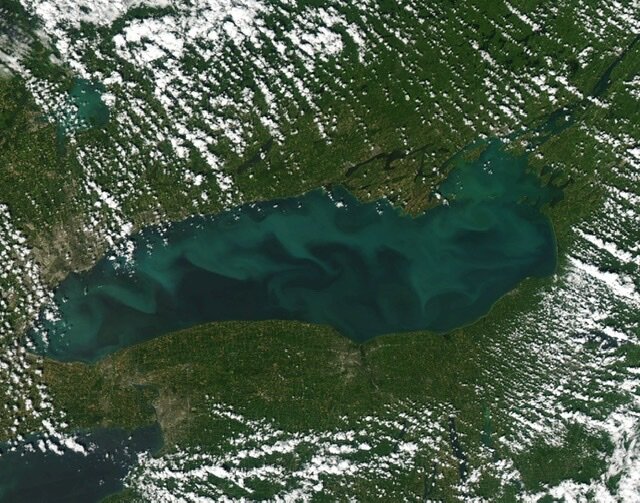
Lake Ontario modis imagery extra interesting
Sk8man replied to schreckstoff's topic in Open Lake Discussion
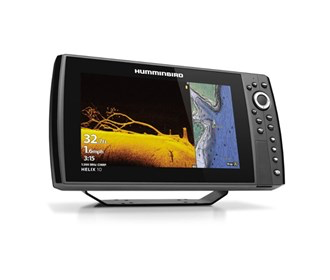
 They are only rated for 10 lb maximum. Some folks use 12's on them but i would wonder about the motors holding up. I will say though that the torpedos track much better and cut through the water better than most other older version weights (pancakes, balls, herbies etc.) so for some uses they may be better than heavier weights of the other shapes. I use 10 lb torpedo and shark shaped weights on mine (Mag 10A's and Digitrol II). I believe Harv's 12 lb torpedoes are actually about 13 lbs. I also know that the currents presently in Lake O are a challenge for nearly any weight.
 -
Oswego 8/23-8/25
Sk8man replied to steelfire's topic in New York Fishing Reports - Lake Ontario (South Shore)
 Gill-T is right very good report and smart to stay with the fish instead of leaving to find fish
 -
Lake Ontario modis imagery extra interesting
Sk8man replied to schreckstoff's topic in Open Lake Discussion
Get those Troutman torpedoes.....you'll be glad you did.....on the other hand it is one less excuse for not catching when you get them -
Sandy Creek 8/27
Sk8man replied to Great_Laker's topic in New York Fishing Reports - Lake Ontario (South Shore)
 Yeah they are some great kids I have fun messing with them.
 -
Lake Ontario modis imagery extra interesting
Sk8man replied to schreckstoff's topic in Open Lake Discussion
Notice the nearly perpendicular current spikes moving/branching toward center. Often folks think that the current just runs around the periphery of the lake. It explains why we get some of the puzzling current effects while trolling. -
Sandy Creek 8/27
Sk8man replied to Great_Laker's topic in New York Fishing Reports - Lake Ontario (South Shore)
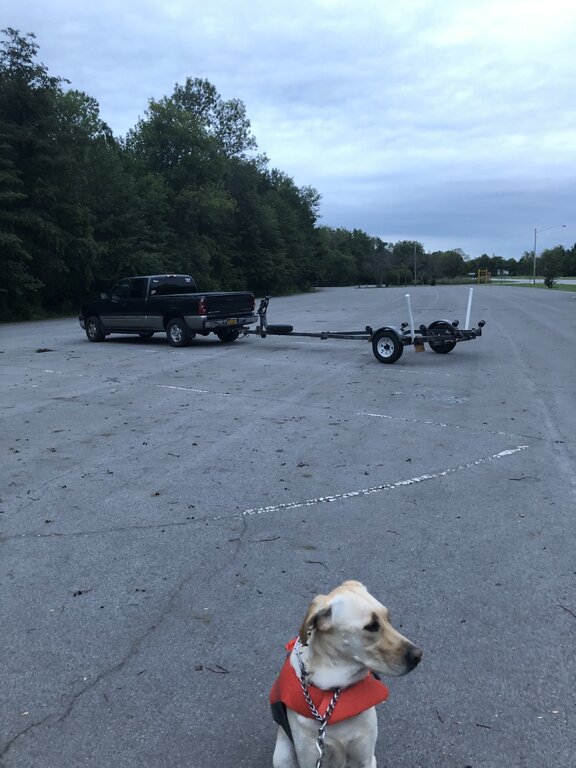
Good going. The dog looks like one of the folks that checks boats for invasives on the Finger Lakes -
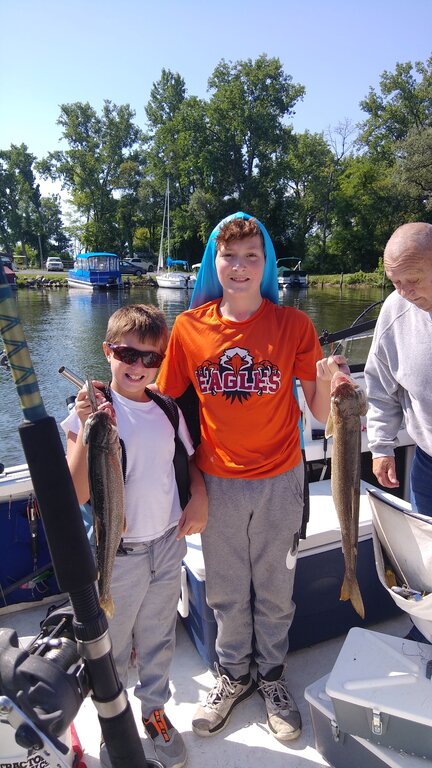 WTG Wes. I'm sure the kids won't remember much about the weeds but they will about the fishing
 -
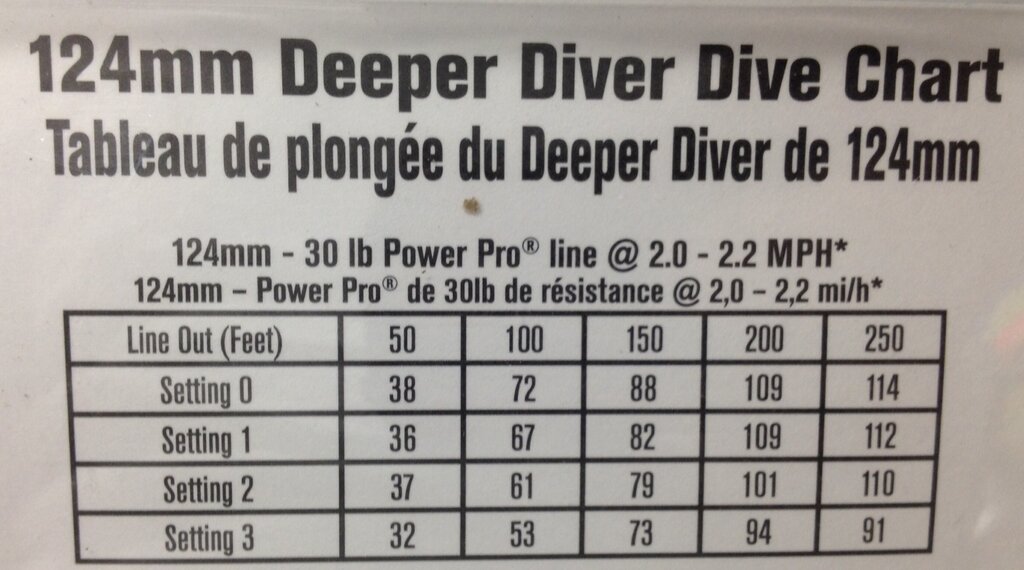 I think remember seeing somewhere that the chart was based on 2 mph but not sure where I saw it. Braid and wire both accrue fleas to some degree but they seem easier to get off from wire. The fishhook fleas are much more difficult to get off both than the spiny type. Both wire and braid have their their strengths and it is mainly a matter of personal preference when all things are considered but after trying to pry a ton of fishhook fleas off braid in the past I stick with wire.
 -
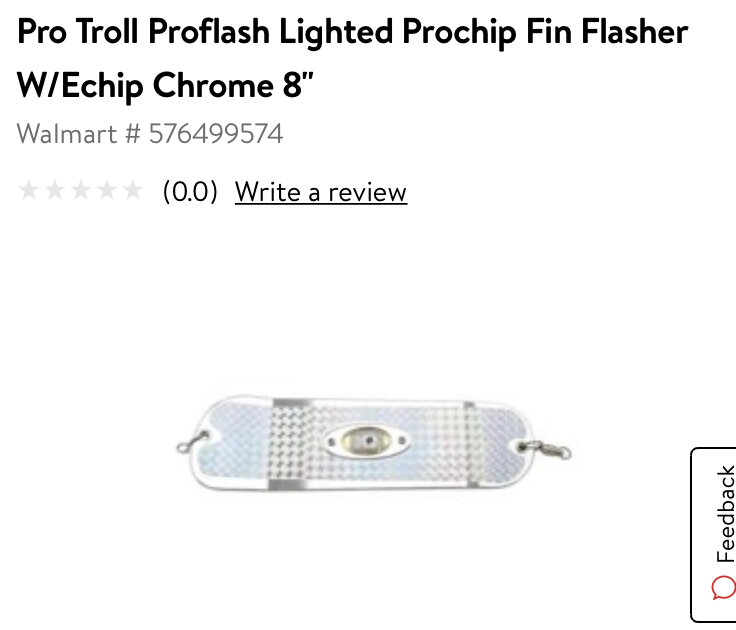 Probably catch a few fishermen with them
 -
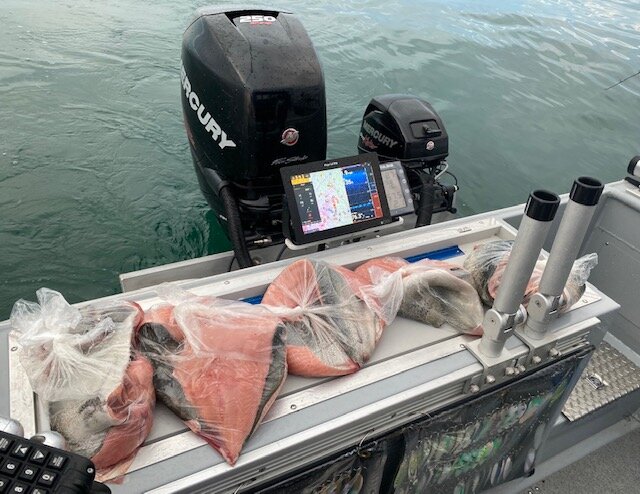 Good thinking and good luck with it.
 -
If the frequency is adjustable set it to the lower frequency range for out deep
-
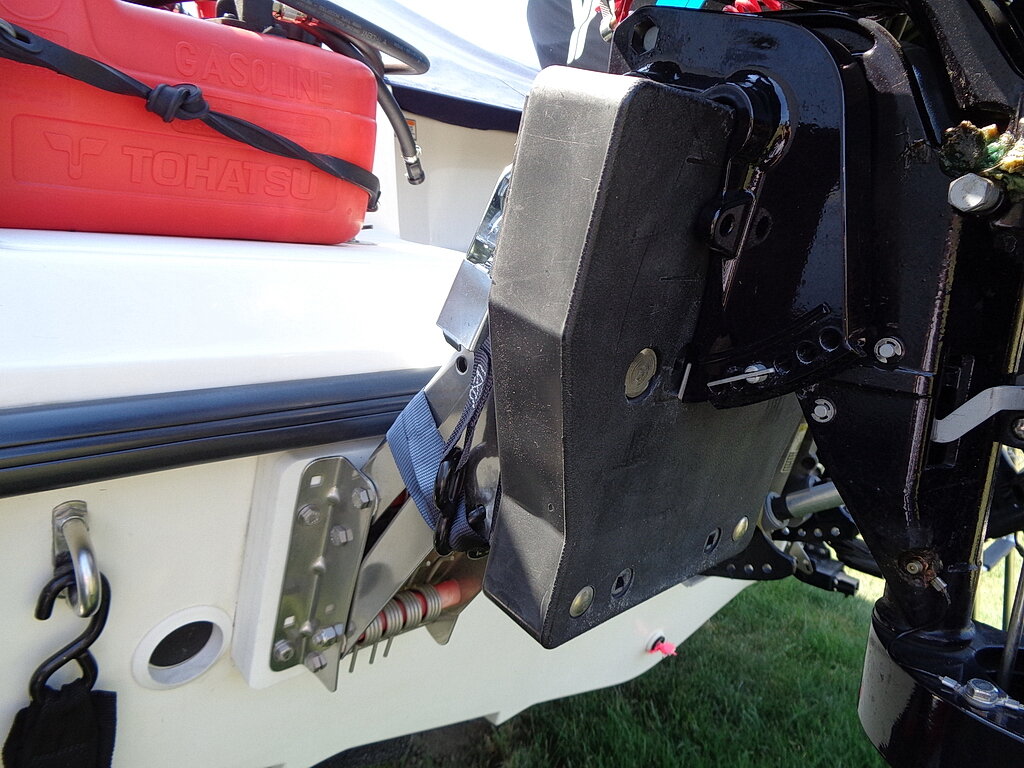 Some of the two stroke brackets say they support up to 115 lbs and 20 Hp but support only 5 HP four stroke. Even if the motors weigh roughly the same the amount of torque on the bracket can be different and the support under the bracket where it attaches to the transom makes a difference as well. I currently am using my 2 stroke bracket (I believe it is a Garelick about 18 years old) from my old 9.9 Johnson with a four stroke 9.8 Tohatsu. The Johnson weighed 87 lbs and the Tohatsu weighs 90 lbs. I would have loved to get the trim/tilt feature to the 4 stroke but needed to stay away from the added weight. There is quite a bit more torque with this 4 stroke if run full tilt with a little less speed than the 2 stroke so it puts a bit ,more stress on the bracket but it is butressed by the plastic mounting material at the base and some of the stress is displaced by it. You'll notice I have a come along strap wrapped around several times between the main part of the bracket and the motor. The plastic part of the bracket could crack or break so hopefully this is somewhat of a safeguard against losing the motor. I know my situation is a bit different with a glass boat but I think with your situation both inside and outside support may be necessary for any bracket used to displace the stress.
 -
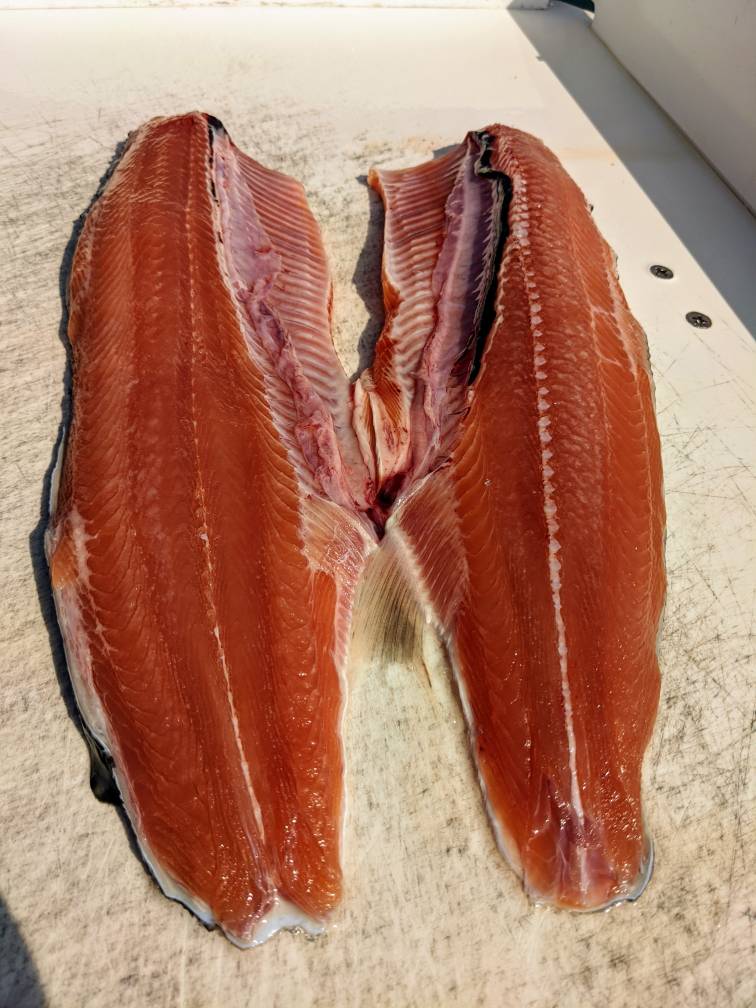 Pretty creative team names too Rick
 -
2020 Reelin for a cure tourney
Sk8man replied to NymphO's topic in New York Fishing Reports - Lake Ontario (South Shore)
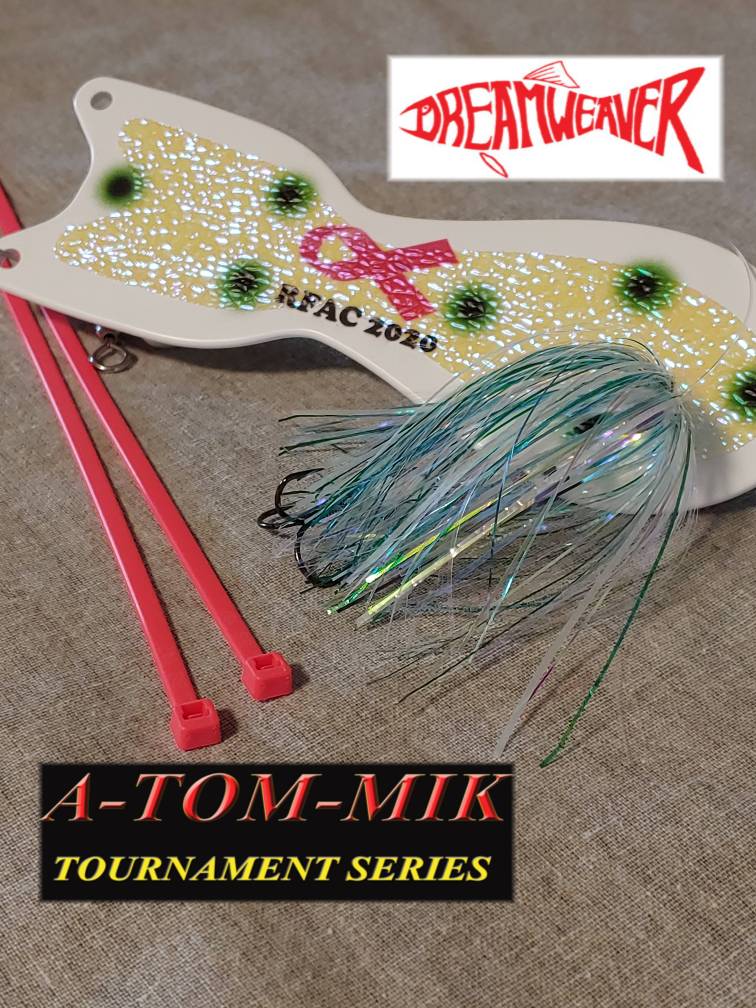 Nice job Rick all the way around
 -
Those Dreamweaver #5's (124 MM) will go quite deep I have banged bottom in 155 ft of water going 1.9-2.0 with about 300 ft of wire out on a zero setting.If going for lakers and the bottom is fairly constant lower the dipsy til it hits bottom (briefly and have to carefully watch for slack in the rod tip then immediately reel up a few turns. On the Fingers you have to watch your depth carefully and the rod tips as well as the bottom contour can change quickly.To be highly successful with the lakers run Gambler rigs behind the dipsies or the Death Traps https://gamblerrigs.com/
-
Pultneyville
Sk8man replied to john1947's topic in New York Fishing Reports - Lake Ontario (South Shore)
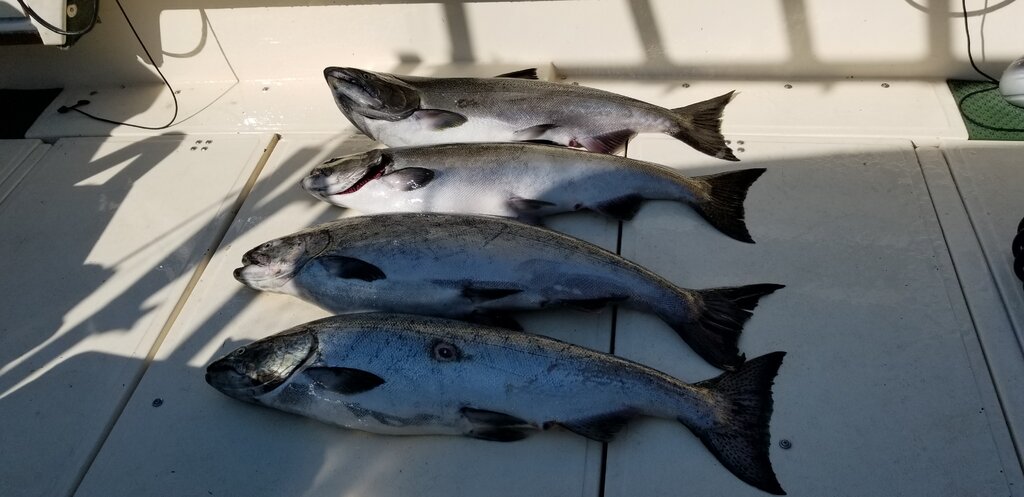 Nice work John
 -
You may wish to change the 11 to the capital I's II as I think you are referring to the Digitroll II perhaps.
-
Welcome to LOU I think you'll like it here The best advice I could give right now based on your questions and a number of reply questions (e.g. what size dipsies, wire or braid what size flashers or cowbells what species are you targeting and on and on so the best thing would be to hook up with someone that is very experienced perhaps a volunteer on here and watch how they do it and what they use etc. A second suggestion is to go on a charter and ask relevant questions. Captain Mark Lewis on here http://www.indepthfishingadventures.com/ would be an excellent choice if he has any availability.
-
Good to see you are out there at it Brad
-
Wow! Good thing you persevered Mike That is an odd one to say the least. They make good products though from everything I've seen and sounds as though they stand behind them too. On the downside you now have become much more dangerous for the next Seneca Derby and I guess I'll have to up my game. And here I thought after I told Traxtech to install the extra heavy springs I was home free
-
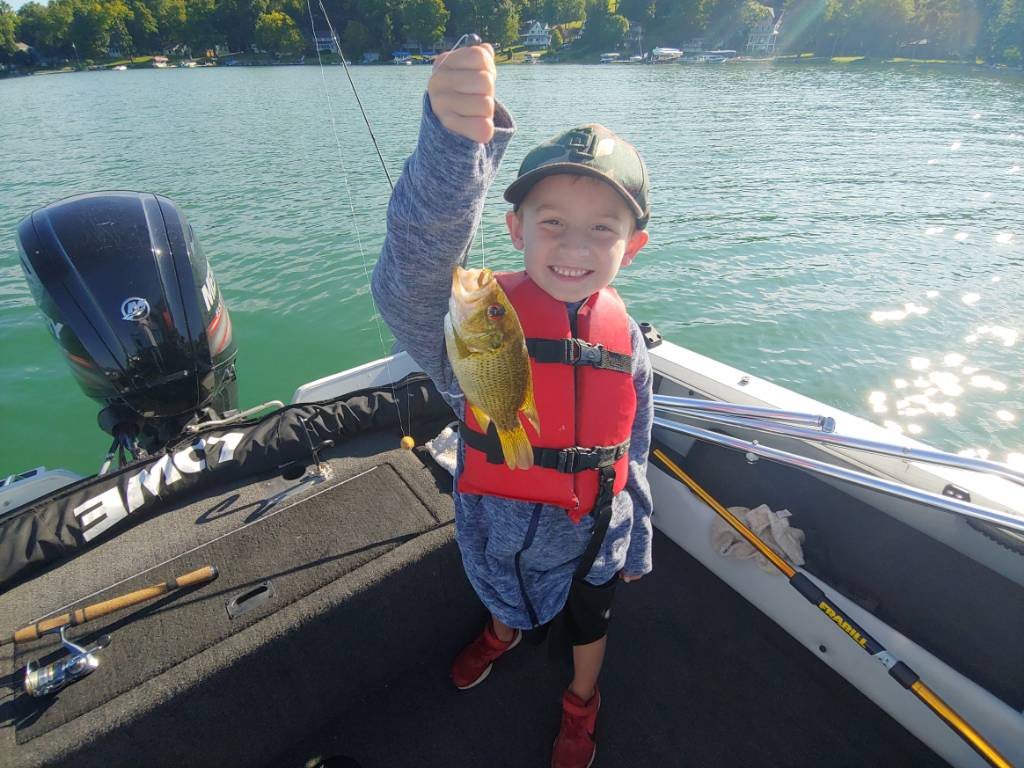 You are doing it right John....it will pay off for both of you
 -
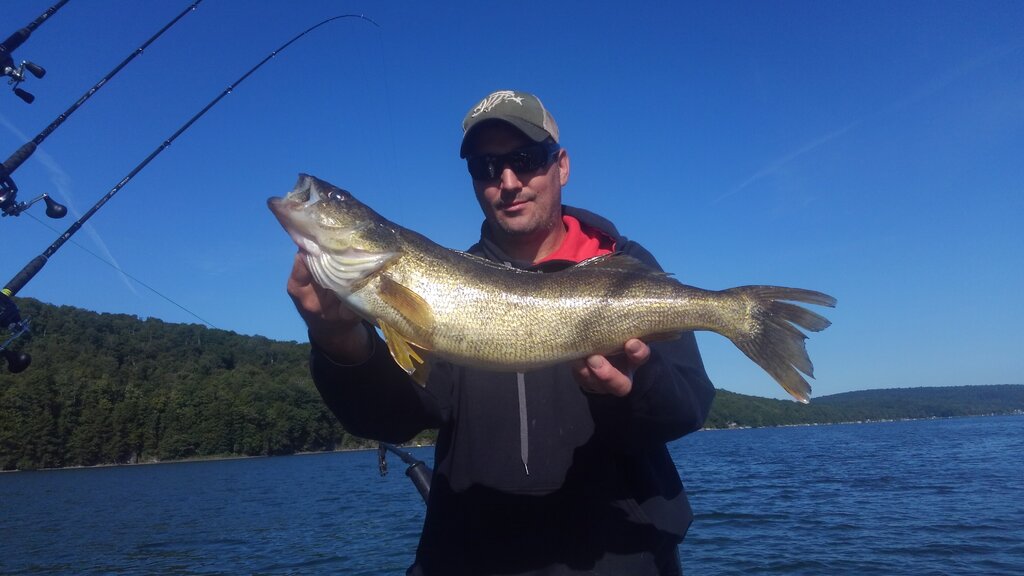 Yup
Yup