

Sk8man
-
Posts
13,929 -
Joined
-
Last visited
Content Type
Profiles
Forums
Events
Gallery
Store
Everything posted by Sk8man
-
I know this may sound simplistic but it is something often overlooked - make sure all your hooks are sharpened. Carry a file onboard and sharpen on three sides of hook going toward the hook point.
-
Good points
-
Lake Ontario Gold
Sk8man replied to BigBrown's topic in New York Fishing Reports - Lake Ontario (South Shore)
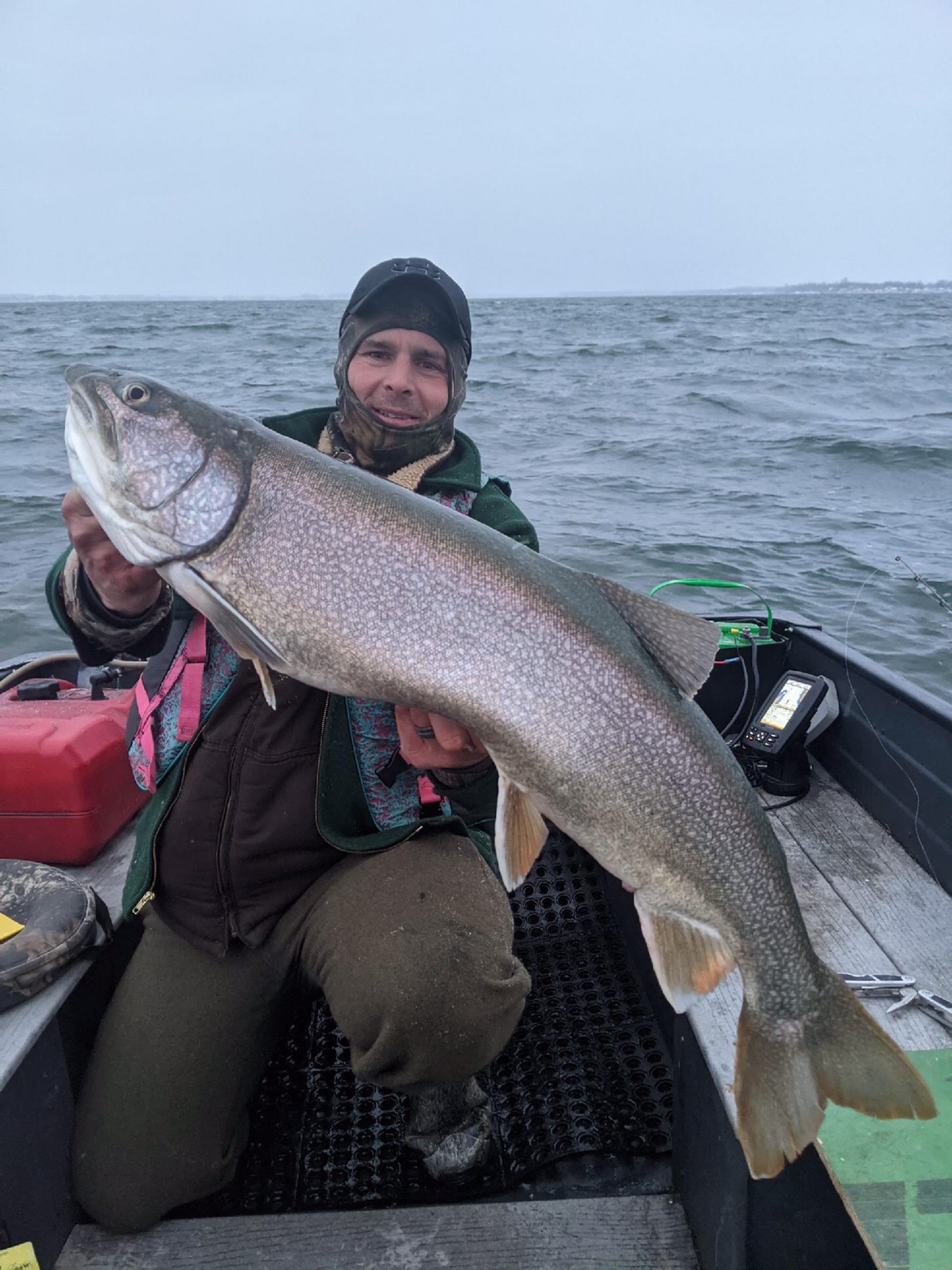 Nice fish and at this time of the season especially you earned them
 -
1/6 Niagara
Sk8man replied to whaler1's topic in New York Fishing Reports - Lake Ontario (South Shore)
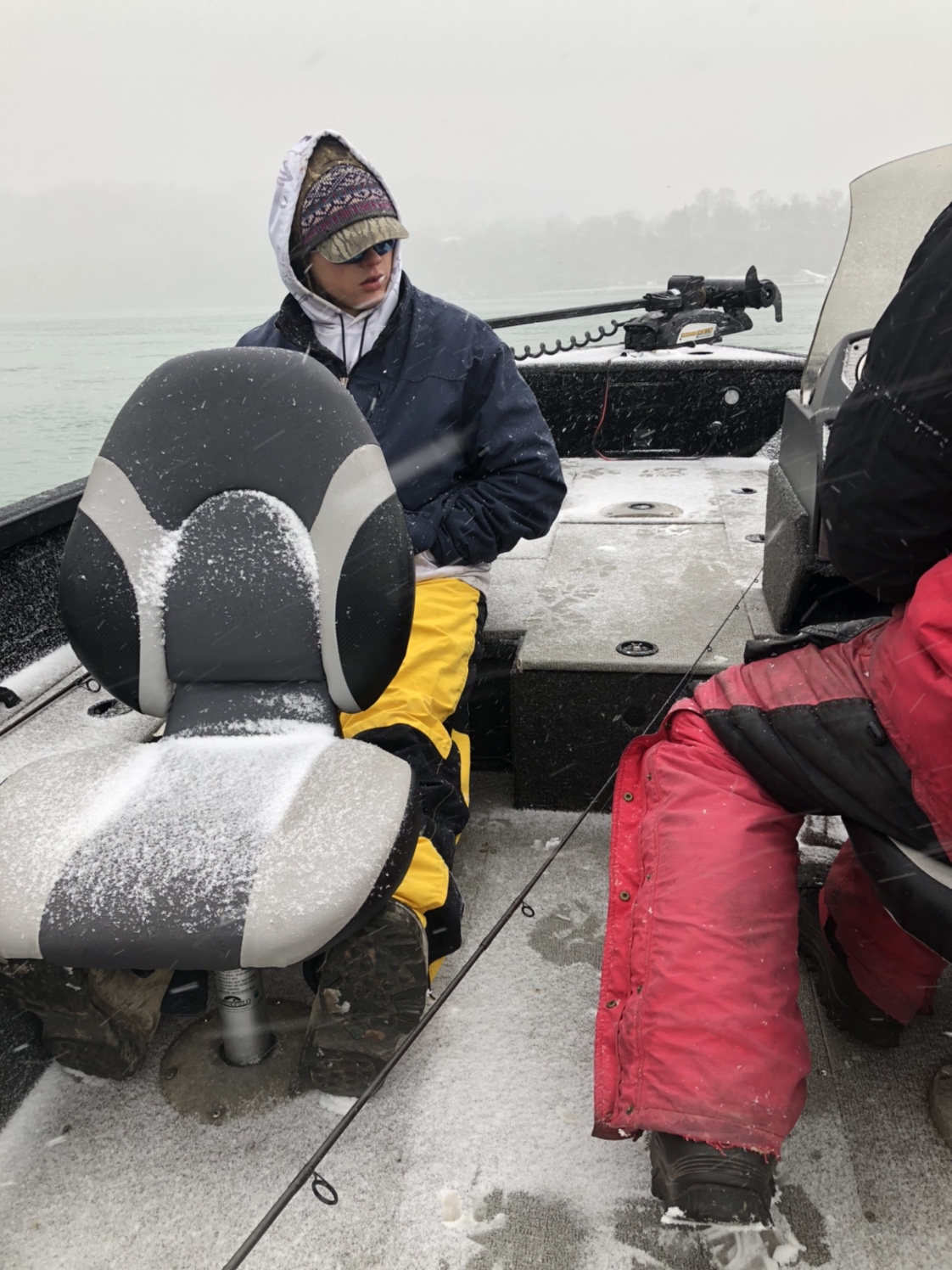 You guys are hard core Great healthy looking fish too.
 -
Advice on Owasco, short core!
Sk8man replied to Long time fisherman's topic in Finger Lakes Discussion
You can usually figure about 5 ft per color (but depends on what you are running and speed of boat). I'd go with fluorocarbon for the leader running that shallow. -
Advice on Owasco, short core!
Sk8man replied to Long time fisherman's topic in Finger Lakes Discussion
A lot of ways to go but the reel used to an extent determines things. You want enough backing when using on inlines and 200- 300 yds of 30 lb test braid should do the trick on the Fingers. Spring suggests shallow water use so maybe 3, 5, 7, color setups. Fluoro leader 10-12 lb test about 20-25 ft long for silvers can be shorter for lakers -
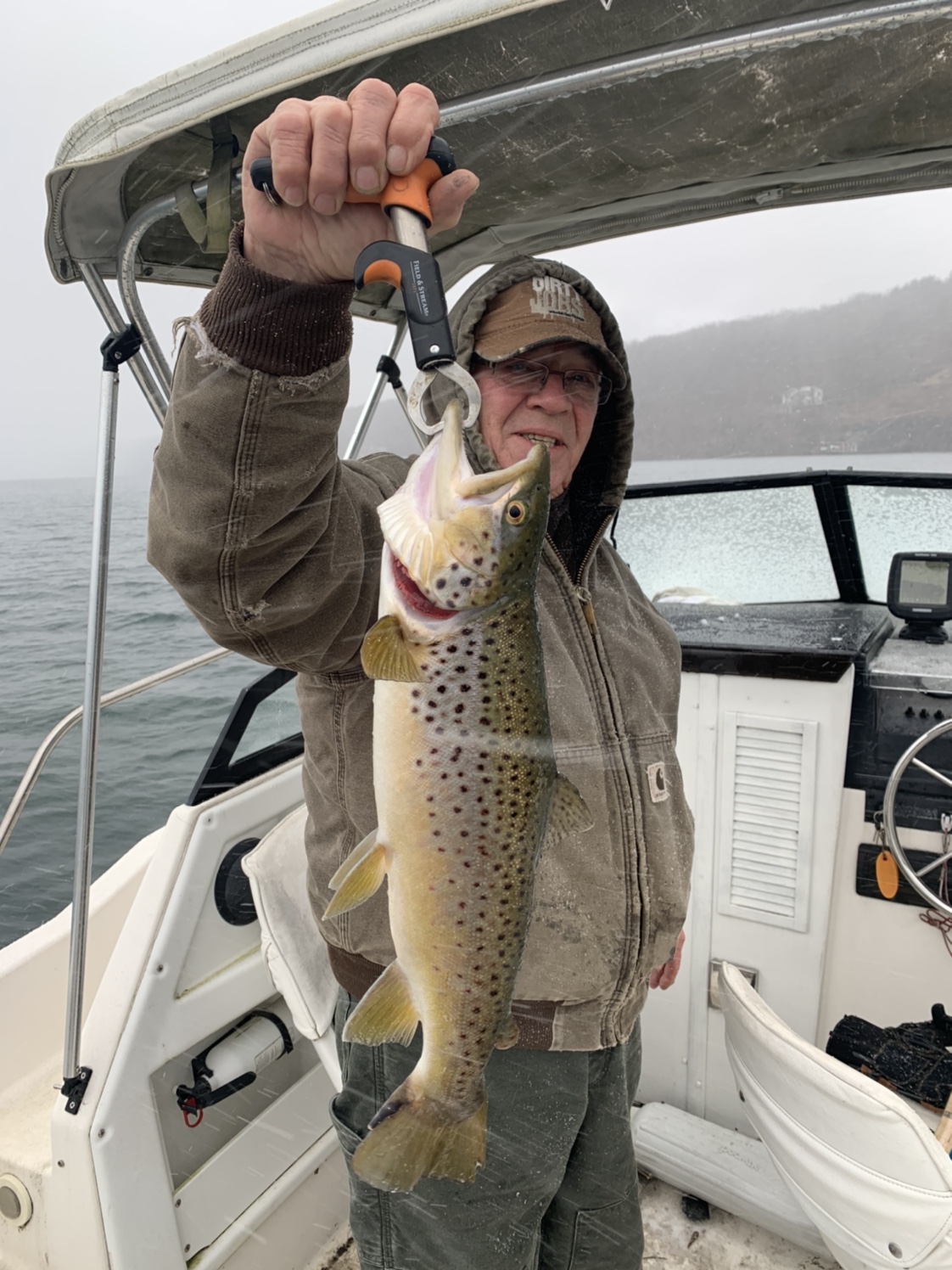 the north end
 -
Still the love of my life Don
-
Sweet! south end?
-
Canvas work
Sk8man replied to Starweld16's topic in New York Fishing Reports - Lake Ontario (South Shore)
Definitely the way to go then. Great work reasonable price and you won't find anyone better than John. -
Canvas work
Sk8man replied to Starweld16's topic in New York Fishing Reports - Lake Ontario (South Shore)
John is by far the best option hands down and hopefully he is still working, but Geordie Magee in Brewerton is pretty good but not inexpensive either http://mageecanvas.com/ Not sure about right now in covid times but he (Geordie) normally services a lot of marinas all over this part of the state (but they also take their cut). -
Thought I'd pass this on just for consideration. I have had my single axle trailer since it was new going on 19 years now. I stlll have the same set of bearings in it and only replaced the seals last year despite a lot of trailering on hilly country as well as major roads. I have had bearing buddies since day one as they worked well on my previous boat. What I do differently than many is this: I use triple guard grease (blue/green in color) as it is thicker than the other stuff, I load the bearing buddies up fully so the grease starts coming out around the inner circumference watching the internal ring move outward but stop at that point. You don't want to create too much pressure on the inner seals of the hub. I also fill the existing space inside the bearing buddy with the grease and then put the plastic bra over the bearing buddy. When I trailer and get to the launch I let the wheels cool down a few minutes while getting the boat ready to launch and do not enter the water immediately. Reason: expansion contraction potentially allowing water to seep inside the bearing buddy or inner seal. I ALWAYS refill the bearing buddy after trailering so the bearings are always in grease. Water and lack of lubrication is the greatest enemy of bearings when hot. I believe keeping that total seal is what has allowed the bearings to last this long Due to my superstitious nature I always continue to do things repeatedly when they work I guess the best part of this is that it has my top notch auto mechanic fishing partner scratching his head in disbelief Something to maybe think about....
-
I have always removed everything from the boat (electronics, seats you name it and store it in the cellar with even temp range. Never a problem in all these years so I continue that practice My boat is stored in a neighbors barn in the country and you never know for sure what may get in there (e.g. feral cats, raccoons, squirrels etc. I know folks that have had their transducer wires chewed up too when their boat was left at a marina, and folks that have had rodents chew their seats, PFD's and electrical wiring.
-
Probably not so much of a problem nowadays as the components are solid state but the older electronics were a lot more vulnerable to radical changes in temps. It isn't a great idea however to bring some of them (e.g. LCD screens etc.) from extreme cold into heated areas rapidly as condensation can form internally potentially leading to corrosion problems.
-
It read fine the first time Don but I'm on a computer not a phone.
-
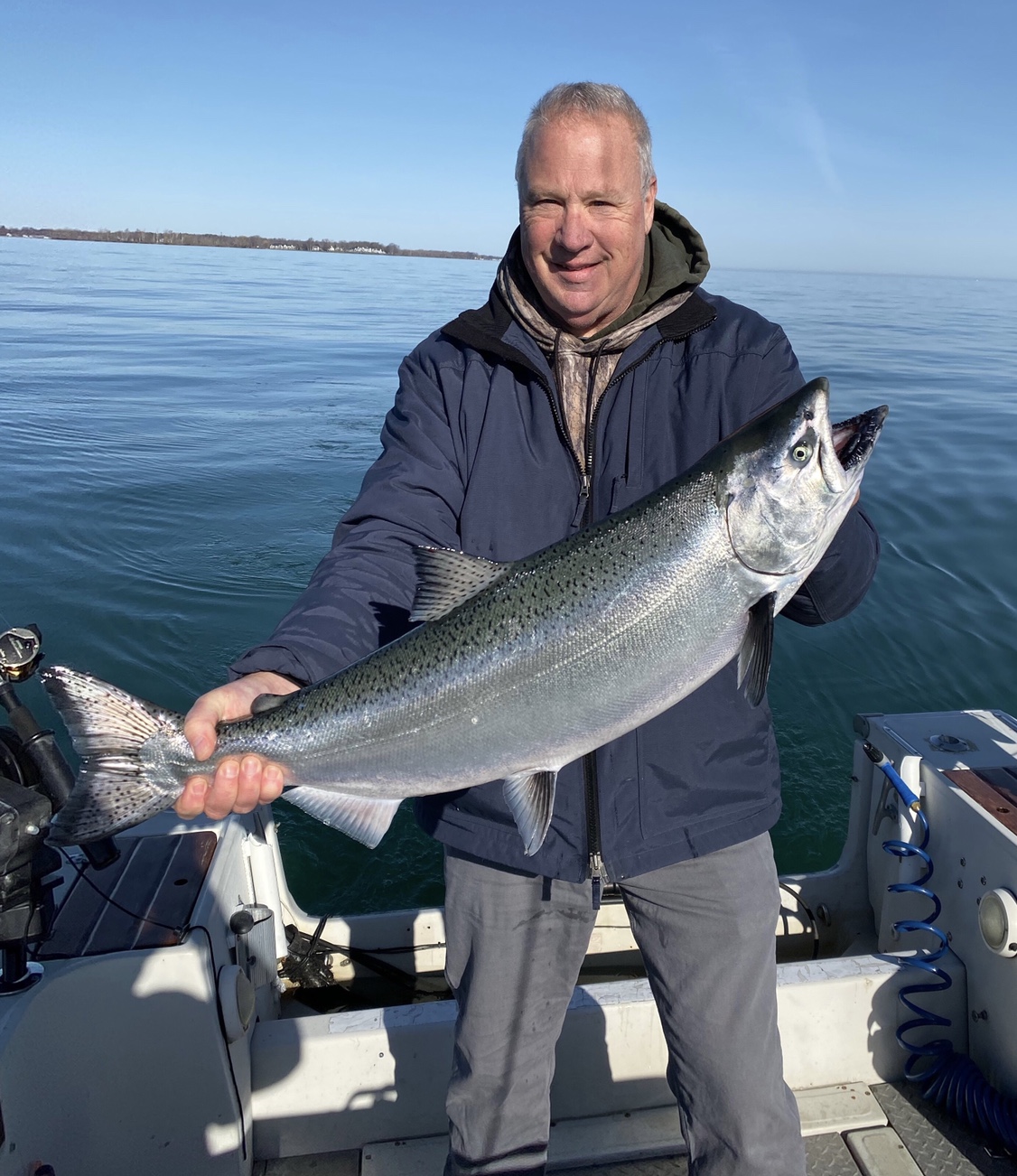 Beautiful Hachimo.....you could fish for years without seeing another like that! Those big ones are the masters of the light bite too. They didn't get that big by accident
 -
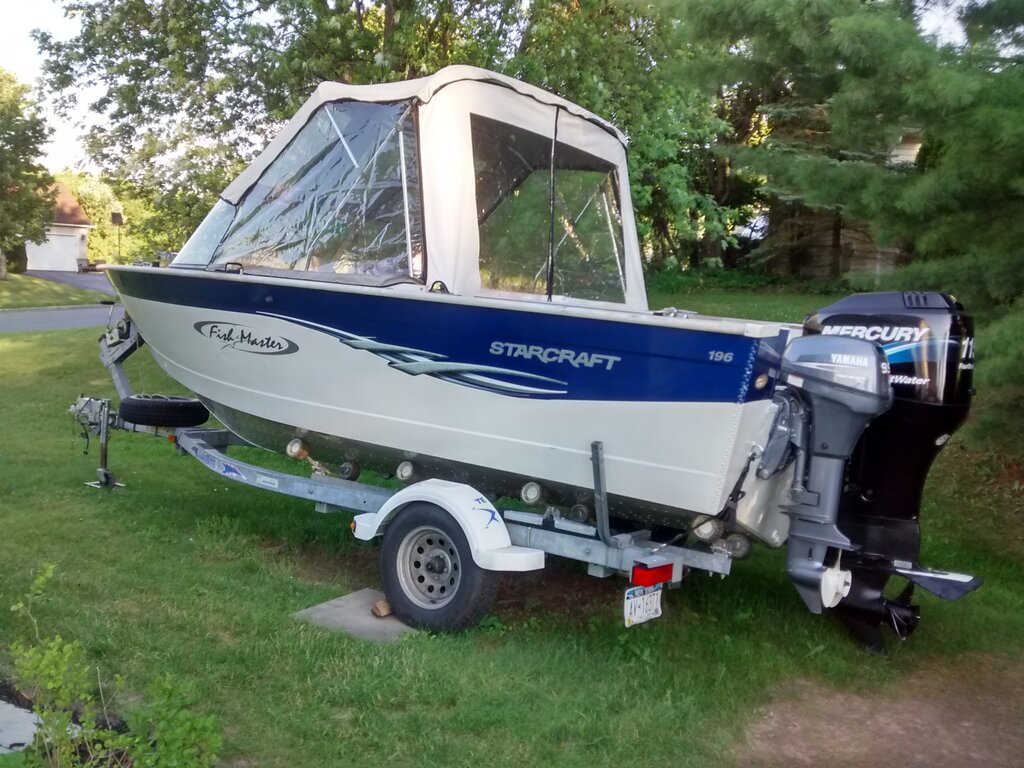 Welcome to LOU rkp. I think you'll enjoy it here and in retirement especially Great bunch of helpful folks here. Good luck with the boat search.....things may be better here in terms of offerings as the early Spring rolls in.
 -
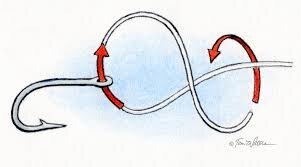 Good idea Stan and especially for sharing it. There are countless resources on the Internet regarding knot typing, including books, laminated cards, Youtube videos etc.; many of which are geared to the fisherman, Some sites use the diagrams to tout their products as well as to inform (e.g.) https://www.mossyoak.com/our-obsession/blogs/fishing/five-knots-every-fisherman-should-know. Most of us develop our own personal preferences based on our own experiences and habits and forego seeking out new ideas about knots or different ways of doing things.and seldom seek out new ideas or novel ways of doing things, and I am as guilty as anyone in this regard. I still cling to my old standby habits for wire - both on wire dipsies and Seth Green rigs and that is the (careful) use of metal crimps. I also stick with wire over braid for my Seth Green rigs because I have had a couple bad experiences using braid with them despite my fellow fishing buddies thinking I'm either too stubborn or else too crazy to switch. Stan's example here provides us with a look at someone ( a very successful fisherman) trying something different after years of success with something that he already knows works and it underscores and should remind us of the fact that we all need to be jogged out of our comfort zone sometimes to experiment with different solutions to some of the things we may take for granted (especially us dinosaurs).
 -
Global Warming effect salmon and steelhead runs
Sk8man replied to jimski2's topic in Open Lake Discussion
 We tend to forget that the environment is an inter-related and interconnected web. Unfortunately humans tend to ignore things that don't fit in with their own plans, and are reactive rather than proactive so we are always a day late and a dollar short. Greed and governmental incompetence/corruption aren't going away anytime soon either.
 -
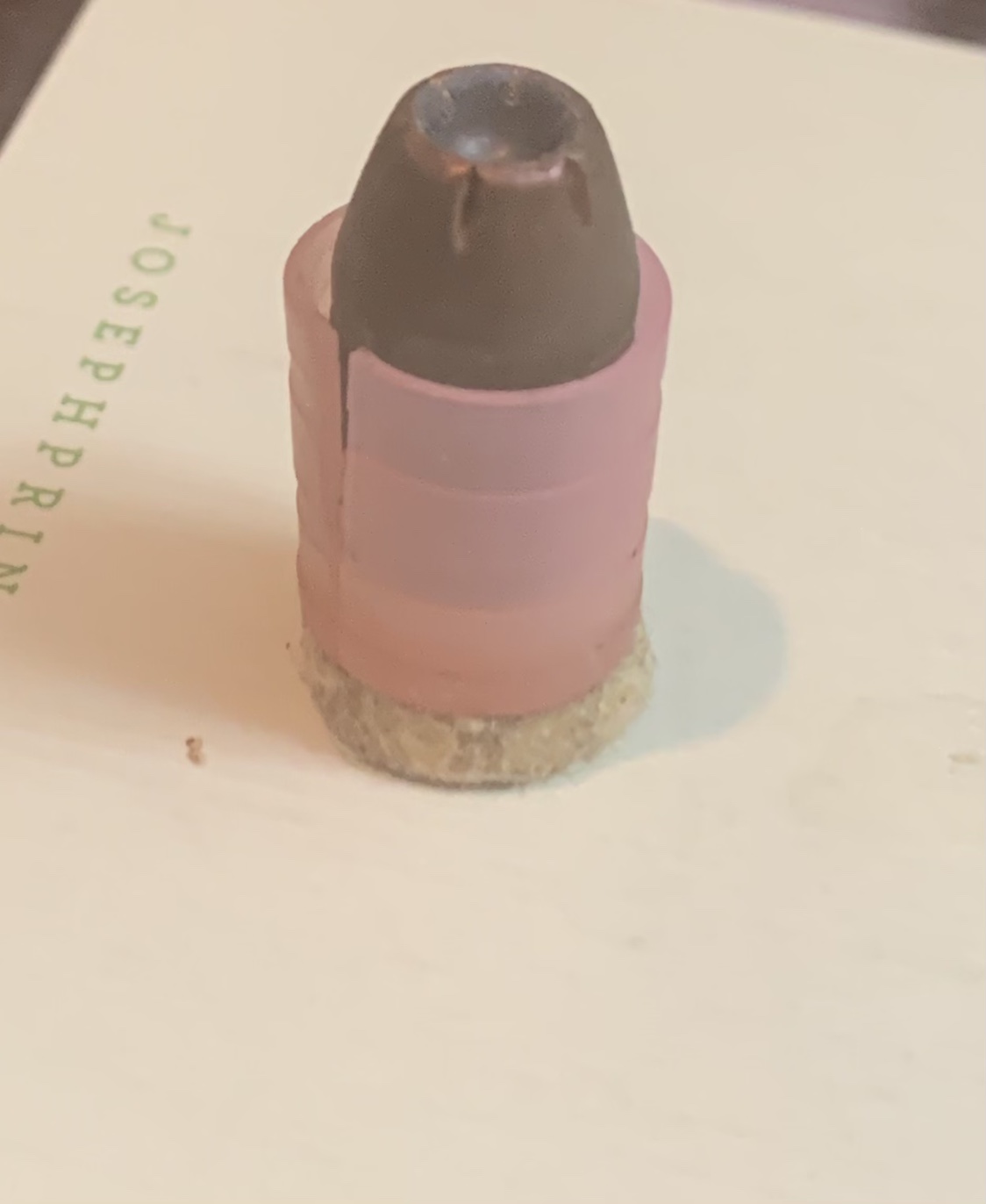 Pretty much the same pattern with the Barnes expander handgun ammo
 -
Global Warming effect salmon and steelhead runs
Sk8man replied to jimski2's topic in Open Lake Discussion
And prior to that humans under control -
Stiffer may help (like a lot of things) but the drag setting of the reel may also be the culprit. With dipsies I use 50 MONO for the leader from the attractor to the fly as it has a slight amount of give to it where the wire has none because fluoro has less give and seems less forgiving. The drag should be set a bit tighter than say for coppers or leadcores so that the dipsy releases and the hook sets. This means that you also have to set the dipsy release tension accordingly in conjunction with the drag.
-
The guys have given you a good summary of the issues to ponder. Another initial consideration relates to whether you intend to use the rods for both uses at different times. Having downrigger rods that double as dipsy rods when needed can make sense but as with other things like boats and vehicles some do a better job than others at specific things. In that case dedicated rods make sense if your budget allows for it. In the first instance you want something versatile in action (e.g. strong butt but flexible near tip yet stout enough that it isn't too flexible if a dipsy is used on it. Some inexpensive rods (e.g. Okuma Classic Pro medium, Diawa Wilderness medium etc.) can serve this purpose but may or may not do it as well as one selected for the specific purpose. Length of the rod can play a role as well; especially if intending to run multiple dipsies where one rod runs inside of the other and as has been said this is another case of "personal preference" too. Some of the selection process can be a "crap shoot" if done online because you can't actually feel the way the rod acts so if you are able to check them out firsthand in a store (questionable right now with covid) it can help with the "feel" issue I have friends that are happy with the Okuma Blue Diamond rods and I like the Okuma Classic Pro 8ft 6 mediums for outside rods (can double as downrigger rods) and 6 1/2 ft. roller tip Shakespeare Tidewaters (medium action) for the insides. again it is a matter of personal preference and there is generally no right or wrong answer. Although you may experience more fight with lighter rods if you are intending to release the fish at the end it may take more time to get them in with less leverage and that may not be a good thing.
-
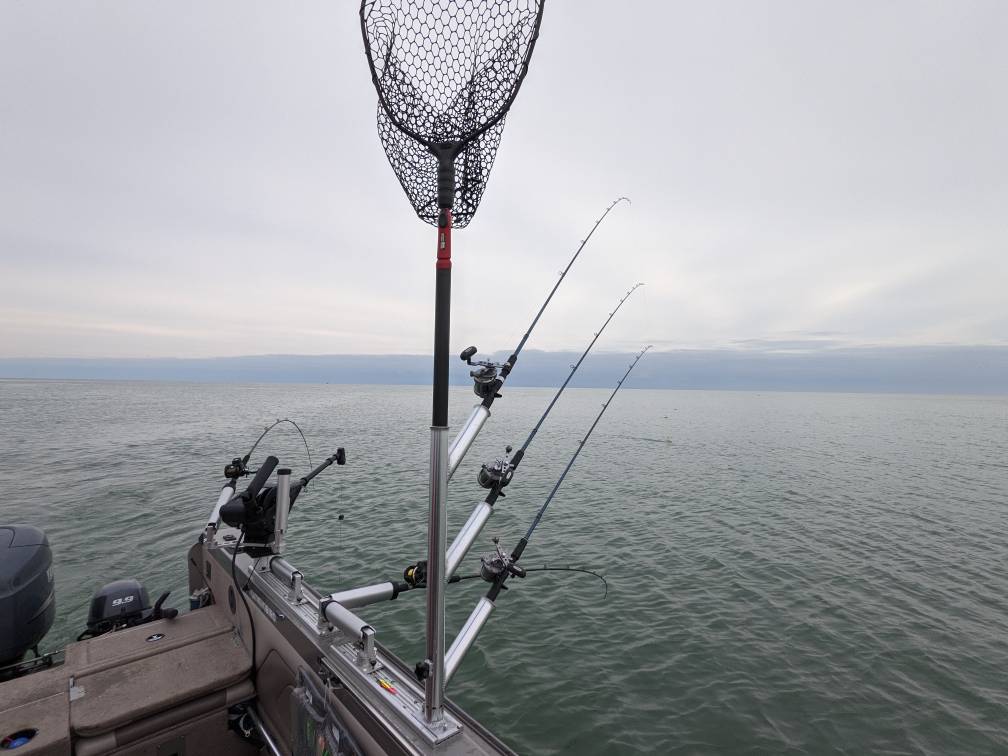 Nice going Rick ....and here I was checking for ice on one of the Fingers I knew I shouldn't have put the boat up this year